

Appliance Types
- Air Conditioner
- Automobile
- Chainsaw
- Circular Saw
- Dishwasher
- Drills
- Dryer
- Drywall Screw Gun
- Furnace
- Gas Fireplace
- Gas Grill
- Gas Patio Heater
- Grinder
- Heat Pump
- Impact Driver
- Impact Wrench
- Microwave
- Nailer
- Orbital Sander
- Pool Heaters
- Powerwall
- Range
- Refrigerator
- Television
- Washer
- Water Heater
Appliance Brands
- A.O. Smith
- AccuCold
- Admiral Craft
- AGA
- Airrex
- Amana
- Ambiance
- American Range
- American Standard
- American Water Heaters
- Aquacal
- Armstrong
- Asko
- Avanti
- Avenlur
- Azure
- Beko
- Bellfires
- Bertazzoni
- Blackstone
- Blaze
- Blomberg
- BlueStar
- Bosch
- Bradford White
- Bromic
- Bryant
- Cafe
- Calcana
- Capital
- Carrier
- Char-Broil
- Char-Griller
- Chrysler
- Coates
- Coleman
- Comfortmaker
- Commercial Chef
- Continental
- Cosmo
- Cove
- Crown Verity
- Dacor
- Daikin
- Danby
- Danfoss
- DaVinci
- DCS
- Deco
- DeWALT
- Ducane
- Dyna-Glo
- Dyson
- EcoSmart
- Electrolux
- Element4
- Empava
- Equator
- Eurodib
- European Home
- Everdure
- Farberware
- Fhiaba
- FibroPool
- Fire Sense
- Fisher
- FiveStar
- Flare
- Flash Furniture
- Focus
- Ford
- Forno
- Forte
- Frigidaire
- Fulgor Milano
- Gaggenau
- GE
- General Motors
- GlowBrand
- Goodman
- Grundig
- GSW
- Haier
- Hayward
- Heatstar
- Heil
- Hestan
- Hisense
- Hitachi
- Hotpoint
- iio
- Ilve
- Impecca
- Ingignia
- Insignia
- JennAir
- John Wood
- Keeprite
- Kenmore
- Kenyon
- KitchenAid
- Kucht
- La Cornue
- Lennox
- LG
- Liebherr
- Lifetime
- Lion
- Luxaire
- Lynx
- Magic Chef
- Marvel
- Maytag
- McQuay
- MicroFridge
- Midea
- Miele
- Migali
- Monogram
- Montigo
- Mr Heater
- Napoleon
- Navien
- Nexgrill
- Noritz
- Panasonic
- Patio Comforts
- Payne
- Pentair
- Perlick
- PITT
- Premier
- Raypak
- Real Fyre
- Regency
- Reliance
- Rheem
- Rinnai
- Roma
- Ruud
- Saber
- Samsung
- Schwank
- Sharp
- Smeg
- Solas
- Sony
- Spartherm
- Speed Queen
- StaRite
- State Water Heaters
- Stiebel Eltron
- SubZero
- Summerset
- Summit
- SunGlo
- SunPak
- Sunpentown
- SunStar
- Superiore
- Takagi
- TCL
- TEC
- Tempstar
- Tesla
- Thermador
- Thor Kitchen
- Toshiba
- Town and Country
- Toyota
- Traeger
- Trane
- Twin Eagles
- U-Line
- Unique
- Vaillant Group
- Valor
- Verona
- Victory
- Viessmann
- Viking
- Vizio
- Weber
- Westinghouse
- Whirlpool
- Whynter
- York
- ZLINE
Article Categories
- Air Conditioners
- Appliance Care
- Appliance News
- Dishwasher News
- Drying Machines
- Furnaces
- Gas Fireplaces
- Microwaves
- Pool Heaters
- Refrigerators
- Stoves - Ranges
- Tips and Tricks
- Washing Machines
- Water Heaters
More Articles
How do I diagnose a washing machine that is leaking water?
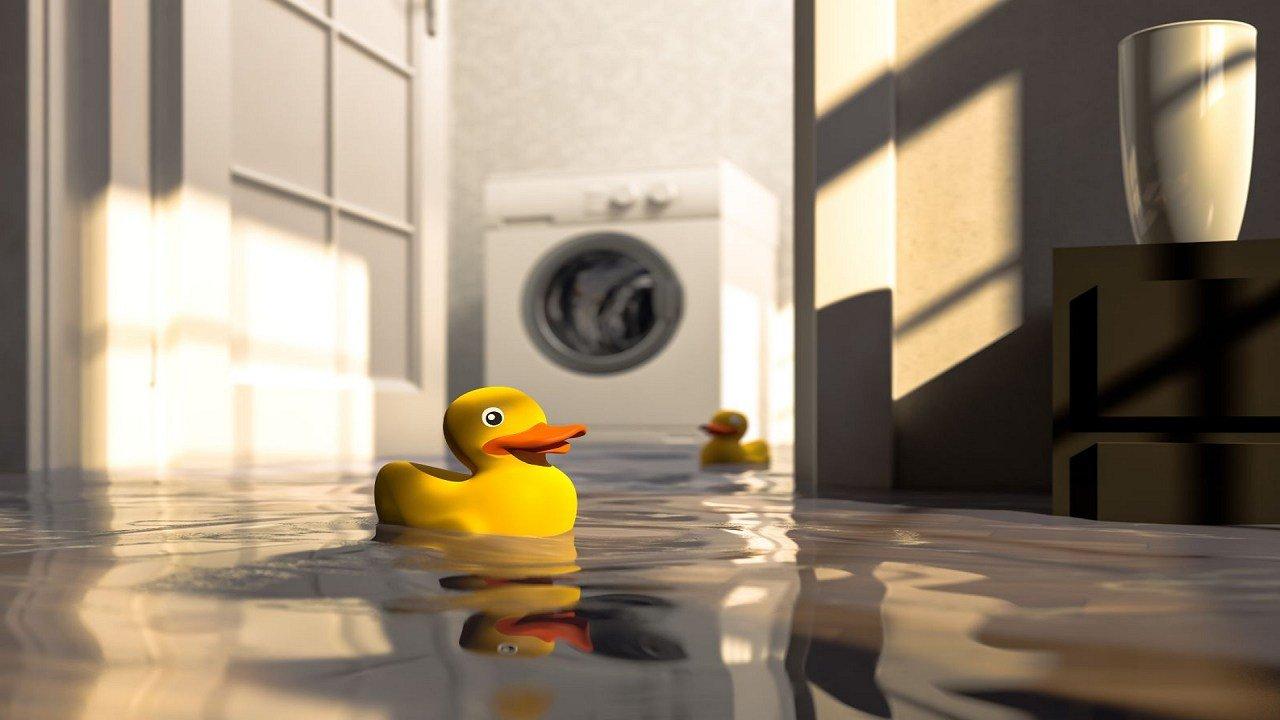
Diagnosing a leaking washing machine can be a bit of a detective work, but by following a systematic approach, you can usually pinpoint the issue causing the leak. Here are the steps to diagnose and potentially fix a leaking washing machine:
Safety First:
Before working on any appliance, unplug the washing machine from the power outlet or turn off its electrical supply. Additionally, shut off the water supply valves connected to the machine.
Identify the Source of the Leak:
Inspect the area around the washing machine to determine where the water is coming from. Leaks can occur from various locations, including:
The front or rear of the machine.
Underneath the machine.
The door or door seal (if it's a front-loading machine).
The hoses or connections at the back of the machine.
The detergent dispenser drawer (if equipped).
Check the Door Seal (Front-Loading Machines):
If you have a front-loading machine, carefully inspect the rubber door seal for tears, cracks, or debris. A damaged or dirty door seal can cause leaks.
Inspect the Hoses and Connections:
Examine the water inlet hoses connected to the back of the machine and the water supply valves. Look for cracks, kinks, or loose connections.
Check the drain hose, which should be securely attached to the machine and properly positioned in the drain standpipe.
Examine the Drain Pump and Filter:
Front-loading machines typically have a pump filter that can become clogged with debris. Consult your machine's manual for instructions on how to access and clean the pump filter.
Check the Tub Seal and Bearings:
If water is leaking from underneath the machine, it could be due to a damaged tub seal or worn-out bearings. This typically requires professional repair.
Inspect the Detergent Drawer and Dispenser:
If the water is coming from the detergent drawer, it may be due to a clog or an issue with the detergent dispenser mechanism. Remove the drawer and clean it thoroughly.
Run a Test Cycle:
Once you've checked and addressed any visible issues, plug the machine back in, turn on the water supply valves, and run a short test cycle to monitor for leaks.
Keep an eye on the machine during the cycle to identify the source of any remaining leaks.
Professional Repair:
If you cannot identify or resolve the issue on your own, or if the problem is related to internal components like the tub seal or bearings, it's advisable to contact a professional appliance technician for diagnosis and repair.
Preventive Maintenance: - To avoid future leaks, perform regular maintenance, such as cleaning the detergent drawer, inspecting hoses, and ensuring proper loading of the machine to prevent overloading or unbalanced loads.
Remember to always prioritize safety when working on appliances and, when in doubt, consult the manufacturer's manual or seek professional help to diagnose and repair your leaking washing machine.
Diagnosing a leaking washing machine can be a bit of a detective work, but by following a systematic approach, you can usually pinpoint the issue causing the leak. Here are the steps to diagnose and potentially fix a leaking washing machine:
Safety First:
Before working on any appliance, unplug the washing machine from the power outlet or turn off its electrical supply. Additionally, shut off the water supply valves connected to the machine.
Identify the Source of the Leak:
Inspect the area around the washing machine to determine where the water is coming from. Leaks can occur from various locations, including:
The front or rear of the machine.
Underneath the machine.
The door or door seal (if it's a front-loading machine).
The hoses or connections at the back of the machine.
The detergent dispenser drawer (if equipped).
Check the Door Seal (Front-Loading Machines):
If you have a front-loading machine, carefully inspect the rubber door seal for tears, cracks, or debris. A damaged or dirty door seal can cause leaks.
Inspect the Hoses and Connections:
Examine the water inlet hoses connected to the back of the machine and the water supply valves. Look for cracks, kinks, or loose connections.
Check the drain hose, which should be securely attached to the machine and properly positioned in the drain standpipe.
Examine the Drain Pump and Filter:
Front-loading machines typically have a pump filter that can become clogged with debris. Consult your machine's manual for instructions on how to access and clean the pump filter.
Check the Tub Seal and Bearings:
If water is leaking from underneath the machine, it could be due to a damaged tub seal or worn-out bearings. This typically requires professional repair.
Inspect the Detergent Drawer and Dispenser:
If the water is coming from the detergent drawer, it may be due to a clog or an issue with the detergent dispenser mechanism. Remove the drawer and clean it thoroughly.
Run a Test Cycle:
Once you've checked and addressed any visible issues, plug the machine back in, turn on the water supply valves, and run a short test cycle to monitor for leaks.
Keep an eye on the machine during the cycle to identify the source of any remaining leaks.
Professional Repair:
If you cannot identify or resolve the issue on your own, or if the problem is related to internal components like the tub seal or bearings, it's advisable to contact a professional appliance technician for diagnosis and repair.
Preventive Maintenance: - To avoid future leaks, perform regular maintenance, such as cleaning the detergent drawer, inspecting hoses, and ensuring proper loading of the machine to prevent overloading or unbalanced loads.
Remember to always prioritize safety when working on appliances and, when in doubt, consult the manufacturer's manual or seek professional help to diagnose and repair your leaking washing machine.
Furnace Making Rattling Noise?
The Material Focus initiative for appliances recycling

How do I troubleshoot a freezer that is not freezing properly?

Why is my dryer making unusual noises?
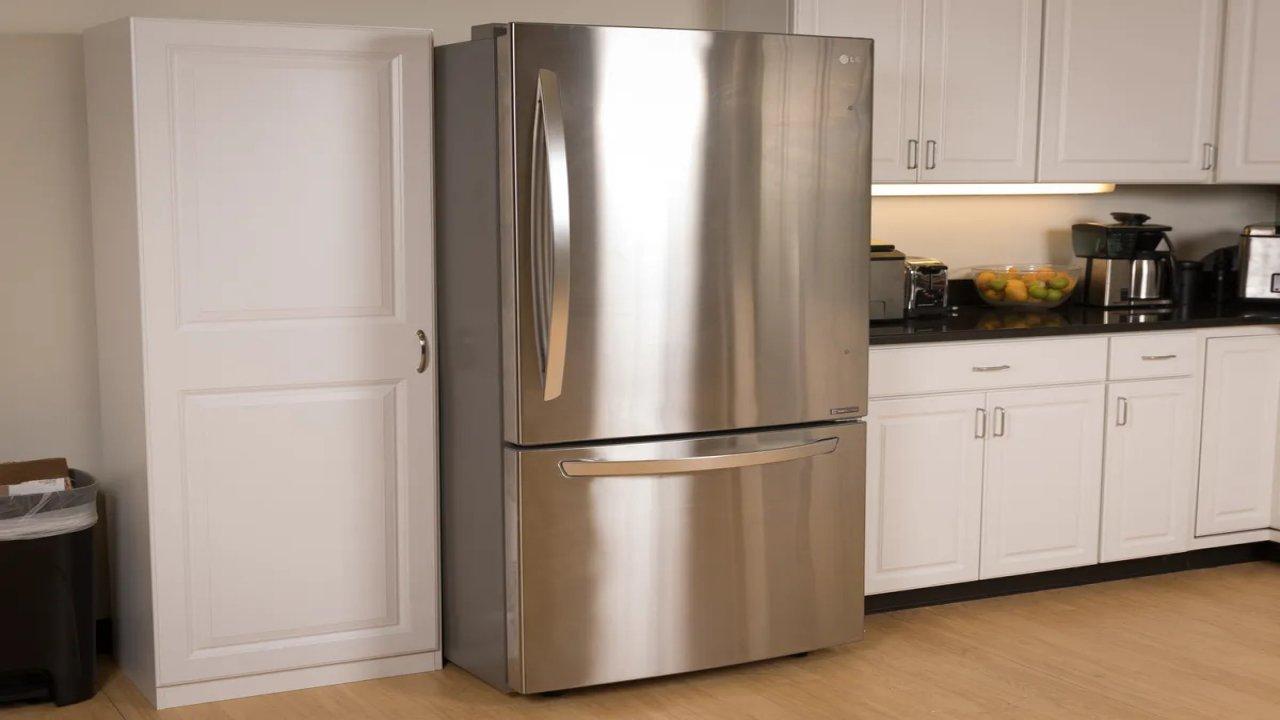
3 year old LG bottom freezer refrigerator stopped cooling
The Risks of a Poorly Maintained Gas Furnace
What appliances are the best to splurge on?
How do microwave ovens cook food?