

Appliance Types
- Air Conditioner
- Automobile
- Chainsaw
- Circular Saw
- Dishwasher
- Drills
- Dryer
- Drywall Screw Gun
- Furnace
- Gas Fireplace
- Gas Grill
- Gas Patio Heater
- Grinder
- Heat Pump
- Impact Driver
- Impact Wrench
- Microwave
- Nailer
- Orbital Sander
- Pool Heaters
- Powerwall
- Range
- Refrigerator
- Television
- Washer
- Water Heater
Appliance Brands
- A.O. Smith
- AccuCold
- Admiral Craft
- AGA
- Airrex
- Amana
- Ambiance
- American Range
- American Standard
- American Water Heaters
- Aquacal
- Armstrong
- Asko
- Avanti
- Avenlur
- Azure
- Beko
- Bellfires
- Bertazzoni
- Blackstone
- Blaze
- Blomberg
- BlueStar
- Bosch
- Bradford White
- Bromic
- Bryant
- Cafe
- Calcana
- Capital
- Carrier
- Char-Broil
- Char-Griller
- Chrysler
- Coates
- Coleman
- Comfortmaker
- Commercial Chef
- Continental
- Cosmo
- Cove
- Crown Verity
- Dacor
- Daikin
- Danby
- Danfoss
- DaVinci
- DCS
- Deco
- DeWALT
- Ducane
- Dyna-Glo
- Dyson
- EcoSmart
- Electrolux
- Element4
- Empava
- Equator
- Eurodib
- European Home
- Everdure
- Farberware
- Fhiaba
- FibroPool
- Fire Sense
- Fisher
- FiveStar
- Flare
- Flash Furniture
- Focus
- Ford
- Forno
- Forte
- Frigidaire
- Fulgor Milano
- Gaggenau
- GE
- General Motors
- GlowBrand
- Goodman
- Grundig
- GSW
- Haier
- Hayward
- Heatstar
- Heil
- Hestan
- Hisense
- Hitachi
- Hotpoint
- iio
- Ilve
- Impecca
- Ingignia
- Insignia
- JennAir
- John Wood
- Keeprite
- Kenmore
- Kenyon
- KitchenAid
- Kucht
- La Cornue
- Lennox
- LG
- Liebherr
- Lifetime
- Lion
- Luxaire
- Lynx
- Magic Chef
- Marvel
- Maytag
- McQuay
- MicroFridge
- Midea
- Miele
- Migali
- Monogram
- Montigo
- Mr Heater
- Napoleon
- Navien
- Nexgrill
- Noritz
- Panasonic
- Patio Comforts
- Payne
- Pentair
- Perlick
- PITT
- Premier
- Raypak
- Real Fyre
- Regency
- Reliance
- Rheem
- Rinnai
- Roma
- Ruud
- Saber
- Samsung
- Schwank
- Sharp
- Smeg
- Solas
- Sony
- Spartherm
- Speed Queen
- StaRite
- State Water Heaters
- Stiebel Eltron
- SubZero
- Summerset
- Summit
- SunGlo
- SunPak
- Sunpentown
- SunStar
- Superiore
- Takagi
- TCL
- TEC
- Tempstar
- Tesla
- Thermador
- Thor Kitchen
- Toshiba
- Town and Country
- Toyota
- Traeger
- Trane
- Twin Eagles
- U-Line
- Unique
- Vaillant Group
- Valor
- Verona
- Victory
- Viessmann
- Viking
- Vizio
- Weber
- Westinghouse
- Whirlpool
- Whynter
- York
- ZLINE
Article Categories
- Air Conditioners
- Appliance Care
- Appliance News
- Dishwasher News
- Drying Machines
- Furnaces
- Gas Fireplaces
- Microwaves
- Pool Heaters
- Refrigerators
- Stoves - Ranges
- Tips and Tricks
- Washing Machines
- Water Heaters
More Articles
How to Troubleshoot a Pool Heater
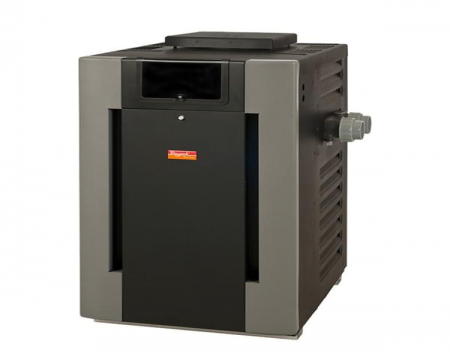
Having a pool heater is a great way to enjoy a warm dip in the pool as the summer months dwindle away. But what do pool owners do if they run into issues with getting that water to heat up? In my handy guide, I will go over some of the most common ways of troubleshooting a swimming pool heater so that you are up and running again.
Check The Power
When you are working on troubleshooting a pool heater, one of the most common culprits is the power source. Sometimes the fix can be as simple as making sure the pool heater is plugged in properly.
Check to make sure that your pool heater is properly connected to the power source and that there are no electrical connection issues. As you inspect, keep a close eye on damaged wiring and take a look at the breaker to ensure that the pump is getting enough power to operate.
Examine Error Codes
If you find that your power heater turns on but then keeps shutting off, this could indicate that you are having water pressure issues. Your first step would be to take a look at any error codes that might be displayed.
If you see error codes, including “Lo/Hi” or “Flo,” then this is usually an indication that your pool heater is not getting enough water. Reasons that your pool heater may not be getting enough water include filter issues and pressure issues.
Examine Power Sources
If you do not see an error message and instead, your pool heater just shuts off immediately after or shortly after turning it on, then this can be an indication of a power issue. In this case, you will want to check your power sources and connections to make sure everything is as it should. Checking the breaker, resetting the unit, and going over connections is the step you will want to take.
Check The Temperature Settings
Most pool heaters are incredibly temperamental when it comes to the temperature you set it at and the outdoor temperature. If your pool heater is not set to a high enough temperature, then it may not appear to be working (though it’s working just fine).
Ensure that the pool heater’s thermostat has a higher temperature setting than the current water temperature of your pool. This way, the water being pumped in is actually warmer.
Check Your Outdoor Temperature Settings
With some pool heat pumps, if it is not warm enough, the heater will not run and keep up the water. There are different types of pool heaters, including gas and electric heaters, that will work just fine during cold weather, though some operate better than others.
Some heat pumps can operate under low-temperature environments, with some running smoothly as low as 30 degrees. But with many units, once you dip below 50 degrees, the pool heater will not be as effective at doing its job. Typically, it needs to be at least 60 degrees out in order for your pool heater to function the best way possible.
One neat DIY trick to use when regulating the temperature is setting a solar cover on your pool heater. This solar cover helps keep your heater from losing any heat that it generates during its run time. Along with that, it allows the pool heater to pump a lot more efficiently as well because it’s operating in a warmer environment.
Check The Filter
If your pool heater is not getting enough water, then this could cause it to be faulty. Pool heaters rely on a steady stream of water in order to operate properly, and when this is interrupted, you will start to run into issues. To make sure that your pool heater is getting enough water, you need to check your filter. If you have a dirty filter with a lot of blockages, this will keep your pool heater from receiving an adequate amount of water.
When checking your pool filter, make sure that you empty the skimmer and the pump baskets weekly. This will keep the build-up from happening. Also, make it a point to keep the filter media clean as well. Lastly, you want to make sure that you’re running your pump for at least 8 hours.
SOURCE: poolresearch.com
Having a pool heater is a great way to enjoy a warm dip in the pool as the summer months dwindle away. But what do pool owners do if they run into issues with getting that water to heat up? In my handy guide, I will go over some of the most common ways of troubleshooting a swimming pool heater so that you are up and running again.
Check The Power
When you are working on troubleshooting a pool heater, one of the most common culprits is the power source. Sometimes the fix can be as simple as making sure the pool heater is plugged in properly.
Check to make sure that your pool heater is properly connected to the power source and that there are no electrical connection issues. As you inspect, keep a close eye on damaged wiring and take a look at the breaker to ensure that the pump is getting enough power to operate.
Examine Error Codes
If you find that your power heater turns on but then keeps shutting off, this could indicate that you are having water pressure issues. Your first step would be to take a look at any error codes that might be displayed.
If you see error codes, including “Lo/Hi” or “Flo,” then this is usually an indication that your pool heater is not getting enough water. Reasons that your pool heater may not be getting enough water include filter issues and pressure issues.
Examine Power Sources
If you do not see an error message and instead, your pool heater just shuts off immediately after or shortly after turning it on, then this can be an indication of a power issue. In this case, you will want to check your power sources and connections to make sure everything is as it should. Checking the breaker, resetting the unit, and going over connections is the step you will want to take.
Check The Temperature Settings
Most pool heaters are incredibly temperamental when it comes to the temperature you set it at and the outdoor temperature. If your pool heater is not set to a high enough temperature, then it may not appear to be working (though it’s working just fine).
Ensure that the pool heater’s thermostat has a higher temperature setting than the current water temperature of your pool. This way, the water being pumped in is actually warmer.
Check Your Outdoor Temperature Settings
With some pool heat pumps, if it is not warm enough, the heater will not run and keep up the water. There are different types of pool heaters, including gas and electric heaters, that will work just fine during cold weather, though some operate better than others.
Some heat pumps can operate under low-temperature environments, with some running smoothly as low as 30 degrees. But with many units, once you dip below 50 degrees, the pool heater will not be as effective at doing its job. Typically, it needs to be at least 60 degrees out in order for your pool heater to function the best way possible.
One neat DIY trick to use when regulating the temperature is setting a solar cover on your pool heater. This solar cover helps keep your heater from losing any heat that it generates during its run time. Along with that, it allows the pool heater to pump a lot more efficiently as well because it’s operating in a warmer environment.
Check The Filter
If your pool heater is not getting enough water, then this could cause it to be faulty. Pool heaters rely on a steady stream of water in order to operate properly, and when this is interrupted, you will start to run into issues. To make sure that your pool heater is getting enough water, you need to check your filter. If you have a dirty filter with a lot of blockages, this will keep your pool heater from receiving an adequate amount of water.
When checking your pool filter, make sure that you empty the skimmer and the pump baskets weekly. This will keep the build-up from happening. Also, make it a point to keep the filter media clean as well. Lastly, you want to make sure that you’re running your pump for at least 8 hours.
SOURCE: poolresearch.com
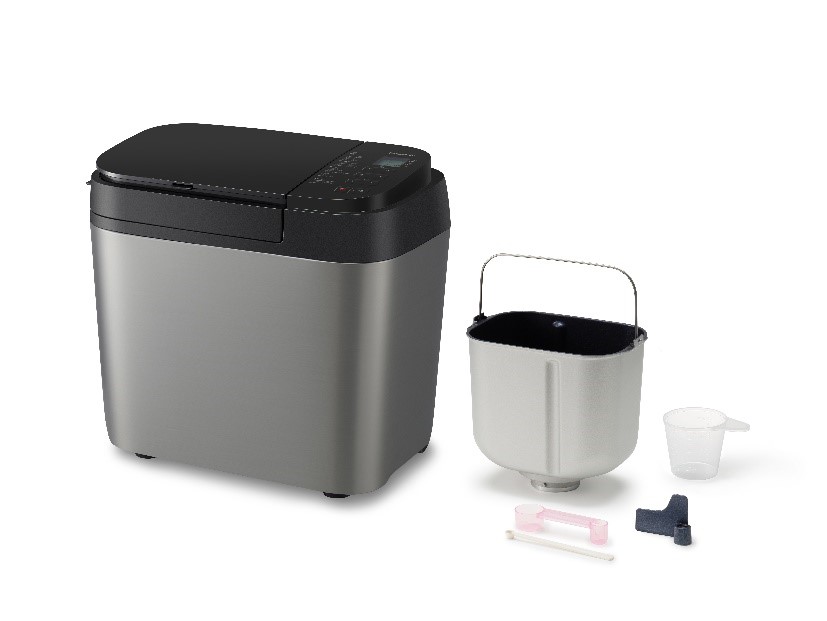
The new Automatic Bread Maker by Panasonic
LG will receive more than 30 CES® 2024 Innovation Awards

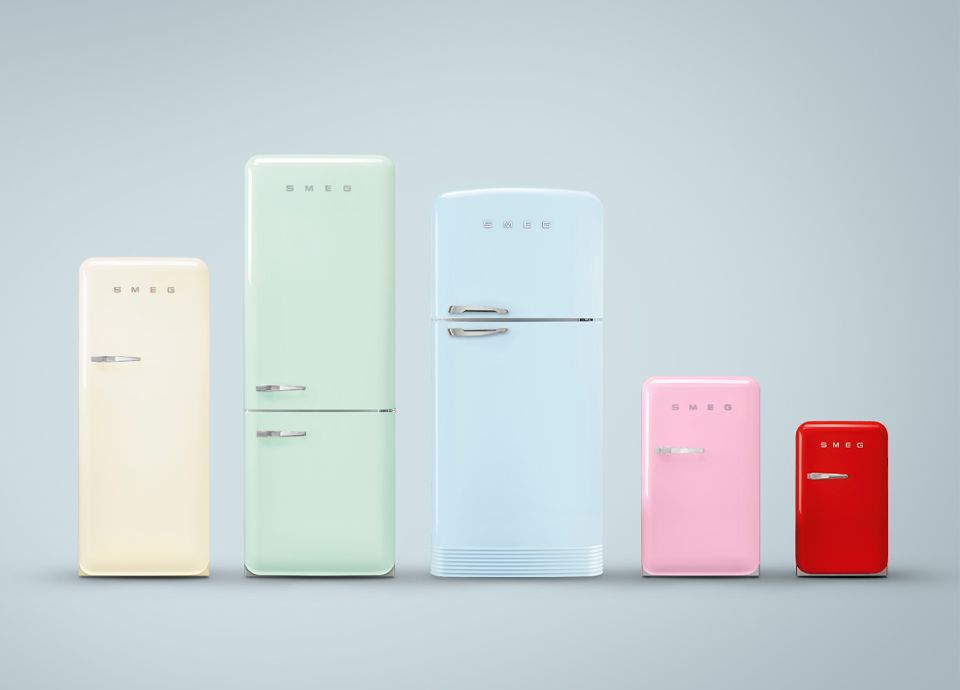
Smeg will be at Salone del Mobile with lots of news
Whirlpool celebrates 2021 achievements in social and environmental sustainability

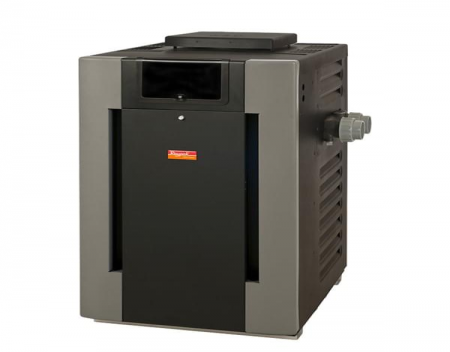
Why Does My Pool Heater Smell Like Gas?
What kind of washer - dryer can I use?

How to Cook Food Evenly in a Microwave?
Should dishwasher push back further?

Miele posts record sales results