

Appliance Types
- Air Conditioner
- Automobile
- Chainsaw
- Circular Saw
- Dishwasher
- Drills
- Dryer
- Drywall Screw Gun
- Furnace
- Gas Fireplace
- Gas Grill
- Gas Patio Heater
- Grinder
- Heat Pump
- Impact Driver
- Impact Wrench
- Microwave
- Nailer
- Orbital Sander
- Pool Heaters
- Powerwall
- Range
- Refrigerator
- Television
- Washer
- Water Heater
Appliance Brands
- A.O. Smith
- AccuCold
- Admiral Craft
- AGA
- Airrex
- Amana
- Ambiance
- American Range
- American Standard
- American Water Heaters
- Aquacal
- Armstrong
- Asko
- Avanti
- Avenlur
- Azure
- Beko
- Bellfires
- Bertazzoni
- Blackstone
- Blaze
- Blomberg
- BlueStar
- Bosch
- Bradford White
- Bromic
- Bryant
- Cafe
- Calcana
- Capital
- Carrier
- Char-Broil
- Char-Griller
- Chrysler
- Coates
- Coleman
- Comfortmaker
- Commercial Chef
- Continental
- Cosmo
- Cove
- Crown Verity
- Dacor
- Daikin
- Danby
- Danfoss
- DaVinci
- DCS
- Deco
- DeWALT
- Ducane
- Dyna-Glo
- Dyson
- EcoSmart
- Electrolux
- Element4
- Empava
- Equator
- Eurodib
- European Home
- Everdure
- Farberware
- Fhiaba
- FibroPool
- Fire Sense
- Fisher
- FiveStar
- Flare
- Flash Furniture
- Focus
- Ford
- Forno
- Forte
- Frigidaire
- Fulgor Milano
- Gaggenau
- GE
- General Motors
- GlowBrand
- Goodman
- Grundig
- GSW
- Haier
- Hayward
- Heatstar
- Heil
- Hestan
- Hisense
- Hitachi
- Hotpoint
- iio
- Ilve
- Impecca
- Ingignia
- Insignia
- JennAir
- John Wood
- Keeprite
- Kenmore
- Kenyon
- KitchenAid
- Kucht
- La Cornue
- Lennox
- LG
- Liebherr
- Lifetime
- Lion
- Luxaire
- Lynx
- Magic Chef
- Marvel
- Maytag
- McQuay
- MicroFridge
- Midea
- Miele
- Migali
- Monogram
- Montigo
- Mr Heater
- Napoleon
- Navien
- Nexgrill
- Noritz
- Panasonic
- Patio Comforts
- Payne
- Pentair
- Perlick
- PITT
- Premier
- Raypak
- Real Fyre
- Regency
- Reliance
- Rheem
- Rinnai
- Roma
- Ruud
- Saber
- Samsung
- Schwank
- Sharp
- Smeg
- Solas
- Sony
- Spartherm
- Speed Queen
- StaRite
- State Water Heaters
- Stiebel Eltron
- SubZero
- Summerset
- Summit
- SunGlo
- SunPak
- Sunpentown
- SunStar
- Superiore
- Takagi
- TCL
- TEC
- Tempstar
- Tesla
- Thermador
- Thor Kitchen
- Toshiba
- Town and Country
- Toyota
- Traeger
- Trane
- Twin Eagles
- U-Line
- Unique
- Vaillant Group
- Valor
- Verona
- Victory
- Viessmann
- Viking
- Vizio
- Weber
- Westinghouse
- Whirlpool
- Whynter
- York
- ZLINE
Article Categories
- Air Conditioners
- Appliance Care
- Appliance News
- Dishwasher News
- Drying Machines
- Furnaces
- Gas Fireplaces
- Microwaves
- Pool Heaters
- Refrigerators
- Stoves - Ranges
- Tips and Tricks
- Washing Machines
- Water Heaters
More Articles
Should I buy a downward draft
If you love cooking and do it quite frequently, you know smells, steam, and smoke come with it. These things shouldn't be a problem if you have a range hood or other ventilation system. However, not all kitchens have a ducting system.
Downward drafts offer an alternate way to move all the smells, some and steam out of your kitchen. What is a downward draft?
A Downward draft range or cooktop is an oven with a ventilation system built into the unit. Some of these ventilation units are located in front of the stovetops and pull grease, odors, steam and smoke into a filter which will recirculate the air through the stove or kitchen ductwork. (for those kitchens that have them)
Think of a Downward draft working the same way as the filter in your furnace. It traps all the things that can make the air harmful.
Downward drafts are available in gas, electric and induction style ovens. They can also come as a hood or cooktop.
The difference between a Downward draft hood and a cooktop is:
Downward draft hoods are installed behind the stovetop, extend while cooking, and retract when not used. These types of drafts provide the best solution if your kitchen cannot be equipped for a range hood.
Downward draft cooktops are installed directly into the cooking surface. These drafts are always ready to use and out of the way. The downside to these types of drafts requires under cabinet space to house the two components needed to work.
Using a downward draft system is different from a regular ventilation unit.
When using a downward draft, you must start the fan before turning the burners on. You should place taller pots on the burners closest to the vent. These vents differ depending on the type of model you have. While cooking, you will need a higher heat setting because the airflow will take the heat away.
You will need a lower fan or a higher burner setting for gas ranges.
Some electric downward draft ranges come in two or five burners, while gas ranges come in two, five or six burners.
If you're thinking about purchasing a downward draft for your kitchen and aren't sure if your kitchen is equipped for it, contact Appliance Helpers. We can help you find a kitchen and appliance specialist in your area. Visit our website for more information on our services and how to get in touch with u
If you love cooking and do it quite frequently, you know smells, steam, and smoke come with it. These things shouldn't be a problem if you have a range hood or other ventilation system. However, not all kitchens have a ducting system.
Downward drafts offer an alternate way to move all the smells, some and steam out of your kitchen. What is a downward draft?
A Downward draft range or cooktop is an oven with a ventilation system built into the unit. Some of these ventilation units are located in front of the stovetops and pull grease, odors, steam and smoke into a filter which will recirculate the air through the stove or kitchen ductwork. (for those kitchens that have them)
Think of a Downward draft working the same way as the filter in your furnace. It traps all the things that can make the air harmful.
Downward drafts are available in gas, electric and induction style ovens. They can also come as a hood or cooktop.
The difference between a Downward draft hood and a cooktop is:
Downward draft hoods are installed behind the stovetop, extend while cooking, and retract when not used. These types of drafts provide the best solution if your kitchen cannot be equipped for a range hood.
Downward draft cooktops are installed directly into the cooking surface. These drafts are always ready to use and out of the way. The downside to these types of drafts requires under cabinet space to house the two components needed to work.
Using a downward draft system is different from a regular ventilation unit.
When using a downward draft, you must start the fan before turning the burners on. You should place taller pots on the burners closest to the vent. These vents differ depending on the type of model you have. While cooking, you will need a higher heat setting because the airflow will take the heat away.
You will need a lower fan or a higher burner setting for gas ranges.
Some electric downward draft ranges come in two or five burners, while gas ranges come in two, five or six burners.
If you're thinking about purchasing a downward draft for your kitchen and aren't sure if your kitchen is equipped for it, contact Appliance Helpers. We can help you find a kitchen and appliance specialist in your area. Visit our website for more information on our services and how to get in touch with u

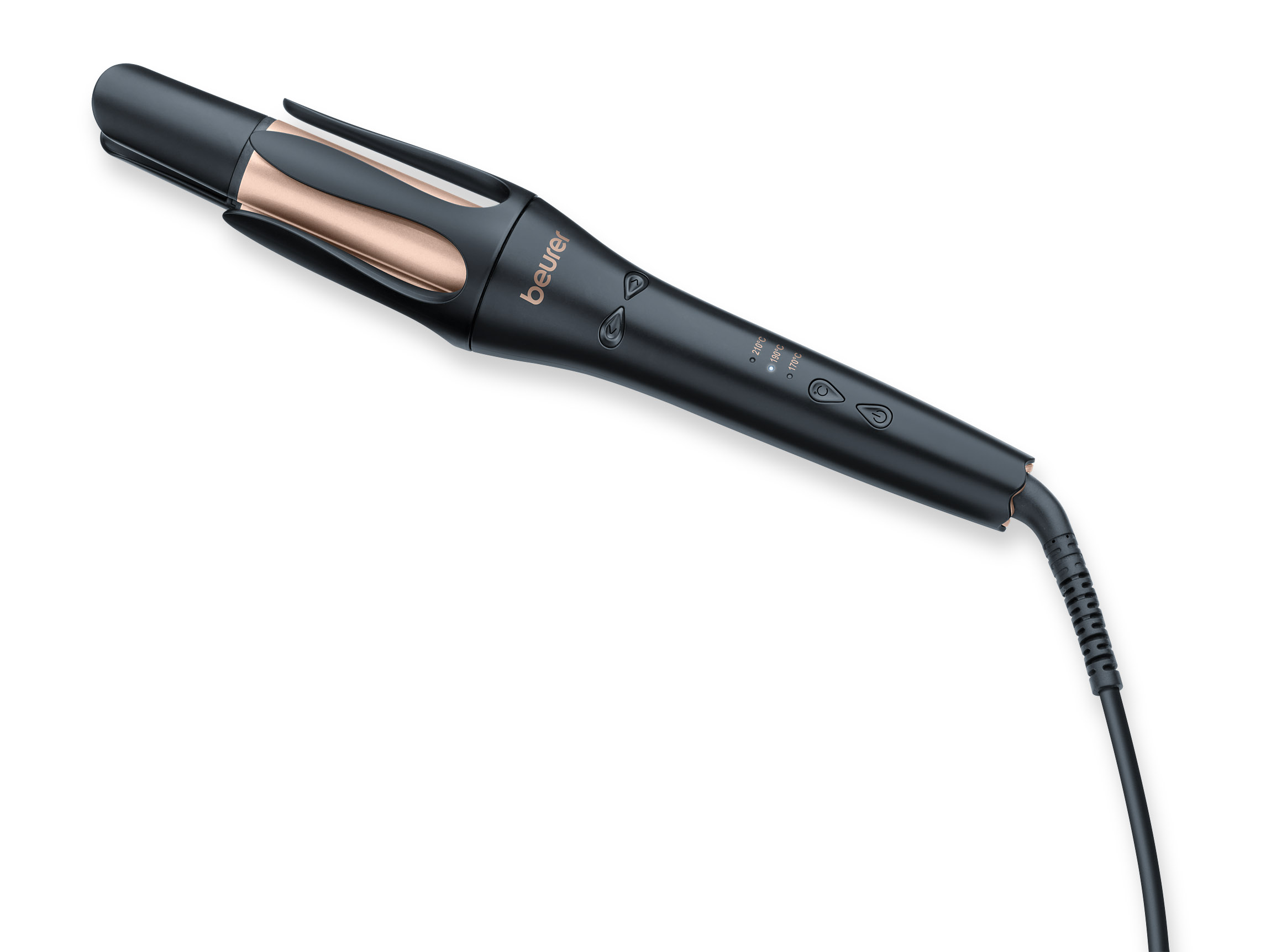
Beurer launches new automatic curling iron
Haier Smart Home recorded a 7.2 Percent growth in 2022

How can I extend the lifespan of my refrigerator?

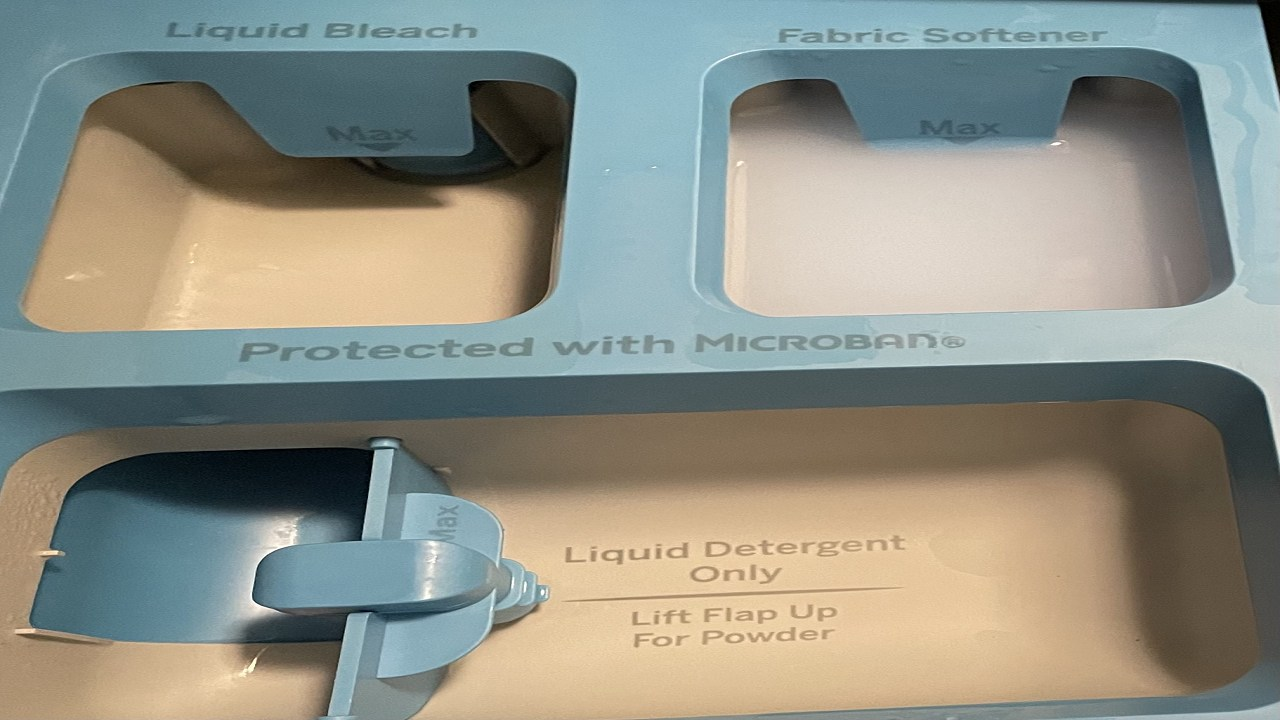
The fabric softener compartment on our GE washing machine is no longer draining
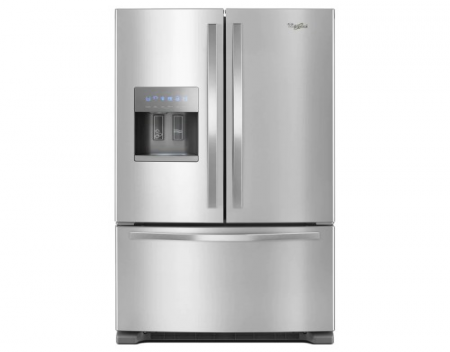
Whirlpool Refrigerator not defrosting
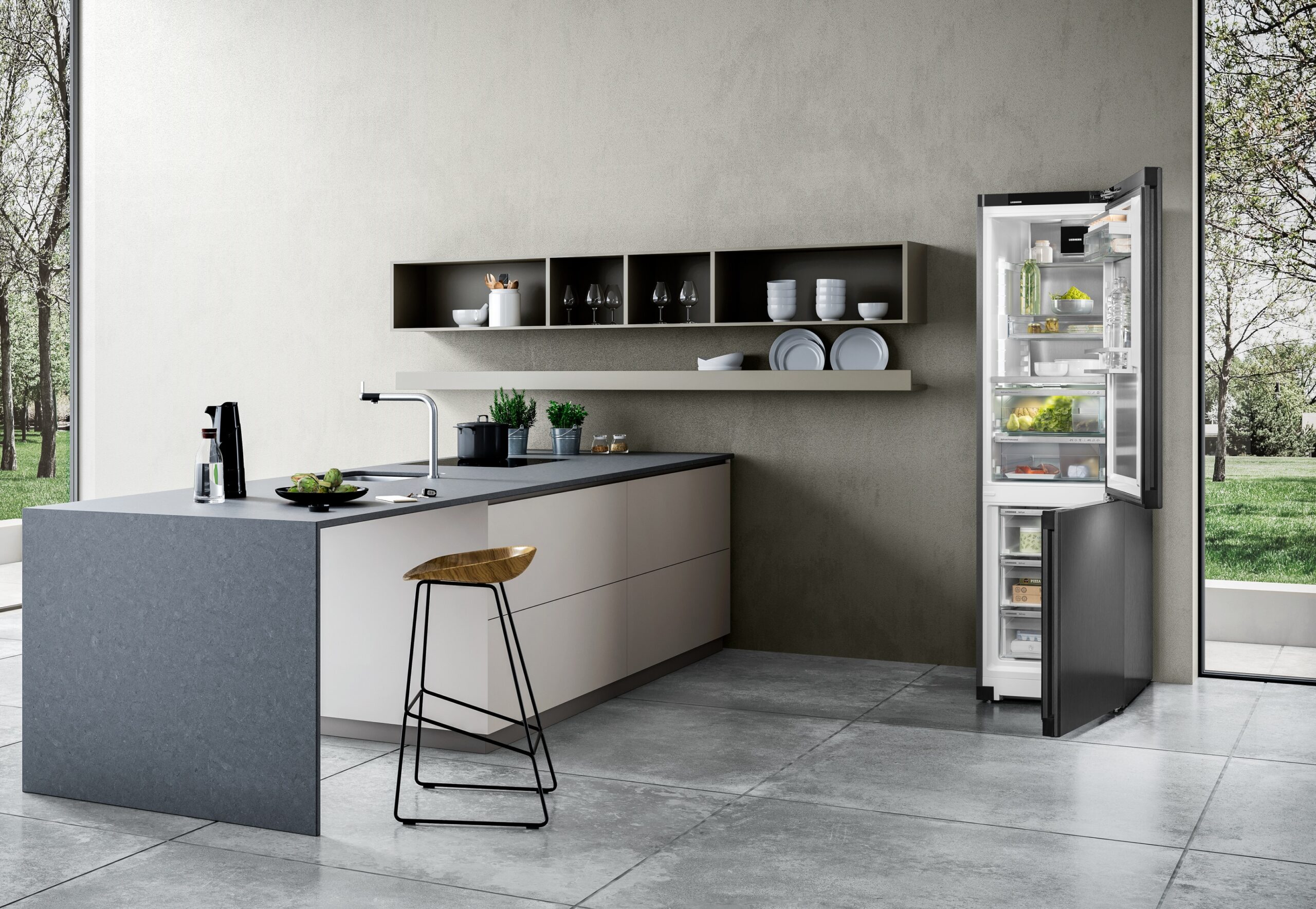
Liebherr to showcase the future of sustainable refrigeration and freezing at IFA 2022
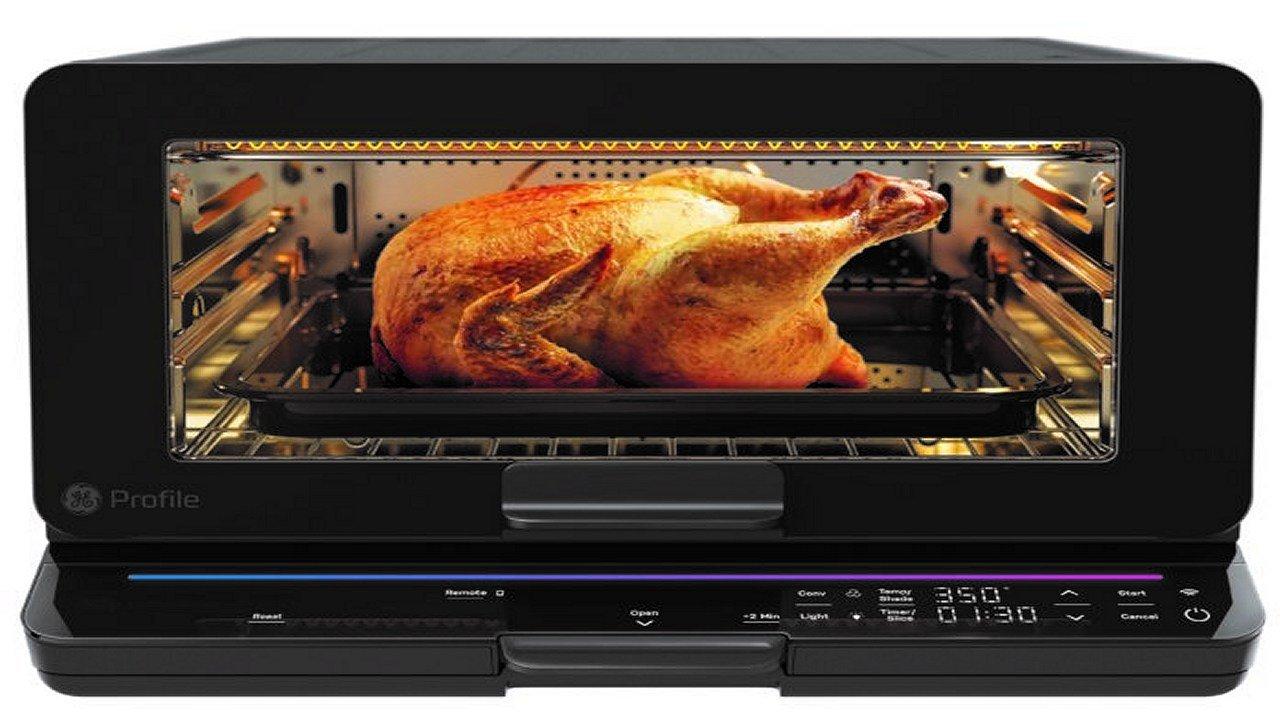
GE Appliances presents the smart oven with no preheat