

Appliance Types
- Air Conditioner
- Automobile
- Chainsaw
- Circular Saw
- Dishwasher
- Drills
- Dryer
- Drywall Screw Gun
- Furnace
- Gas Fireplace
- Gas Grill
- Gas Patio Heater
- Grinder
- Heat Pump
- Impact Driver
- Impact Wrench
- Microwave
- Nailer
- Orbital Sander
- Pool Heaters
- Powerwall
- Range
- Refrigerator
- Television
- Washer
- Water Heater
Appliance Brands
- A.O. Smith
- AccuCold
- Admiral Craft
- AGA
- Airrex
- Amana
- Ambiance
- American Range
- American Standard
- American Water Heaters
- Aquacal
- Armstrong
- Asko
- Avanti
- Avenlur
- Azure
- Beko
- Bellfires
- Bertazzoni
- Blackstone
- Blaze
- Blomberg
- BlueStar
- Bosch
- Bradford White
- Bromic
- Bryant
- Cafe
- Calcana
- Capital
- Carrier
- Char-Broil
- Char-Griller
- Chrysler
- Coates
- Coleman
- Comfortmaker
- Commercial Chef
- Continental
- Cosmo
- Cove
- Crown Verity
- Dacor
- Daikin
- Danby
- Danfoss
- DaVinci
- DCS
- Deco
- DeWALT
- Ducane
- Dyna-Glo
- Dyson
- EcoSmart
- Electrolux
- Element4
- Empava
- Equator
- Eurodib
- European Home
- Everdure
- Farberware
- Fhiaba
- FibroPool
- Fire Sense
- Fisher
- FiveStar
- Flare
- Flash Furniture
- Focus
- Ford
- Forno
- Forte
- Frigidaire
- Fulgor Milano
- Gaggenau
- GE
- General Motors
- GlowBrand
- Goodman
- Grundig
- GSW
- Haier
- Hayward
- Heatstar
- Heil
- Hestan
- Hisense
- Hitachi
- Hotpoint
- iio
- Ilve
- Impecca
- Ingignia
- Insignia
- JennAir
- John Wood
- Keeprite
- Kenmore
- Kenyon
- KitchenAid
- Kucht
- La Cornue
- Lennox
- LG
- Liebherr
- Lifetime
- Lion
- Luxaire
- Lynx
- Magic Chef
- Marvel
- Maytag
- McQuay
- MicroFridge
- Midea
- Miele
- Migali
- Monogram
- Montigo
- Mr Heater
- Napoleon
- Navien
- Nexgrill
- Noritz
- Panasonic
- Patio Comforts
- Payne
- Pentair
- Perlick
- PITT
- Premier
- Raypak
- Real Fyre
- Regency
- Reliance
- Rheem
- Rinnai
- Roma
- Ruud
- Saber
- Samsung
- Schwank
- Sharp
- Smeg
- Solas
- Sony
- Spartherm
- Speed Queen
- StaRite
- State Water Heaters
- Stiebel Eltron
- SubZero
- Summerset
- Summit
- SunGlo
- SunPak
- Sunpentown
- SunStar
- Superiore
- Takagi
- TCL
- TEC
- Tempstar
- Tesla
- Thermador
- Thor Kitchen
- Toshiba
- Town and Country
- Toyota
- Traeger
- Trane
- Twin Eagles
- U-Line
- Unique
- Vaillant Group
- Valor
- Verona
- Victory
- Viessmann
- Viking
- Vizio
- Weber
- Westinghouse
- Whirlpool
- Whynter
- York
- ZLINE
Article Categories
- Air Conditioners
- Appliance Care
- Appliance News
- Dishwasher News
- Drying Machines
- Furnaces
- Gas Fireplaces
- Microwaves
- Pool Heaters
- Refrigerators
- Stoves - Ranges
- Tips and Tricks
- Washing Machines
- Water Heaters
More Articles
The Pros About Tankless Water Heaters
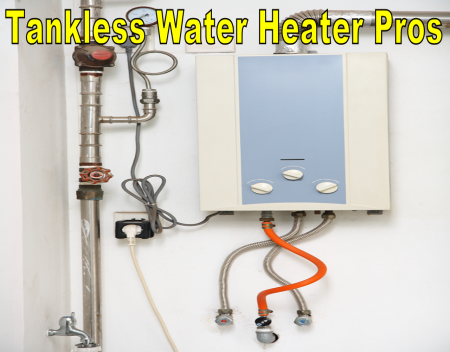
Tankless water heaters, also known as on-demand or instant water heaters, have many advantages over traditional tank-style water heaters and can be an excellent long-term investment.
But, like any product, they have their downsides and they are not the right solution for every home.
Unlike traditional tank-style water heaters, which continuously use energy to maintain a hot water supply, tankless water heaters only expend energy when you turn on a hot water tap or when you're using appliances.
This on-demand style of operation results in their most significant advantage: energy and cost savings.
Besides energy and cost savings, there are several other reasons to choose a tankless water heater over a traditional tank-style heater. Tankless water heaters produce an endless supply of hot water, take up less space, have a lower risk of leaking, are safer, and have a significantly longer lifespan on average.
Investing in a tankless water heater is a difficult decision, so it's important to understand all the facts before you make up your mind.
Long-term Energy and Cost Savings
The main advantage of tankless water heaters is that they are energy efficient and save you money over the long term.
A tank-style water heater expends energy around the clock to maintain the temperature of a 40 to 50-gallon water supply so that hot water is ready when it's needed.
Tankless water heaters, as their name suggests, heat water on-demand and do not maintain a supply of water.
By only heating water when it's needed, tankless water heaters do not experience standby heat loss, which occurs when heat escapes the water tank and needs constant reheating.
When a tap, shower, or appliance is turned on, cold water passes through the tankless water heater where it's heated by either a gas-fired burner or electric coils.
Once the water is heated (this happens in seconds), the hot water travels through the pipes and out the tap, showerhead, or any other outlet in your home.
Unlimited Supply of Hot Water
Here's a scenario; you come home from a family beach day and everyone in the house needs to take a shower. By the fifth shower in a row, the hot water is running low, and you're the one stuck taking a cold shower.
If you have a tankless water heater, you will never find yourself in that scenario. Let me explain.
Each tankless water heater has a maximum flow rate; in other words, they're only able to heat a certain amount of water at a given time.
If you have 5 showers running simultaneously, most tankless heaters won't be able to keep up.
However, as long as your water usage at any given time is below the maximum allowable flow rate, tankless water heaters provide an endless supply of hot water.
Since tankless water heaters work by heating water from the external source on-demand, you could take a shower for 10 hours (or longer), and the water would be as hot as it would be for a 10-minute shower.
Take Up Less Space
If space in your home is limited, tankless water heaters provide a huge benefit. They are usually mounted to the wall and take up significantly less physical space compared to tank-style water heaters.
To give you an idea of how tankless and tank-style water heaters compare in terms of size, the average 40 to 50-gallon tank-style heater is 54 to 60 inches tall with a 20-inch diameter and is shaped like a cylinder.
The average tankless unit is around 27 inches tall, 18 inches wide, 10 inches deep, and rectangular.
Tank-style heaters take up floor space, usually in the basement, while tankless units are mounted to a wall like a circuit breaker and can fit in most closets.
Lower Risk of Leaks and Water Damage
One of the biggest risks with tank-style heaters is, over time, minerals from hard water build-up within the tank which leads to corrosion and eventually leaks.
Since tankless water heaters don't have a tank, there is no risk of leaks or flooding.
This doesn't mean that tankless water heaters are immune to issues. They can and will run into problems that could result in leaking, but the chances of having a major leak that floods your entire basement and causes significant damage are slim.
Zero Risk of Tank Exploding
Today's plumbing code requires all tank-style water heaters to have a temperature and pressure relief valve that opens to release pressure and eliminate the possibility of the tank exploding.
Over time, minerals and sediment from the water can clog up the valve and prevent it from functioning properly.
When this happens, a dangerous amount of pressure can build-up and put you at risk. If you have a tank-style water heater, experts recommend testing the valve at least once a year.
Although it rarely happens, explosions are a serious risk with tank-style water heaters. Fortunately, since tankless heaters do not have a tank, there is absolutely zero risk of an explosion ever occurring. One less thing to stress out over.
Lower Risk of Burns and Exposure to Toxic Metals
Many experts argue that tankless water heaters are safer than tank-style heaters.
Besides the fact that they don't have a tank that could explode, they also provide more precise control over the temperature so you're less likely to be burned by hot water.
Also, as I mentioned earlier, tank-style heaters break down over time due to hard water causing the inner lining of the tank to rust and corrode.
Those minerals and particles eventually make their way into your water lines and expose your family to harmful toxins.
Since tankless water heaters don't maintain a supply of water in a corroding tank, the water they distribute throughout your home is more pure and safer on your skin.
Life Expectancy of Over 20 Years
On average, tank-style water heaters last between 8 and 12 years, however, tankless water heaters usually last over 20 years.
If you're already in your "forever home" or plan to stay where you are for a while, investing in a tankless water heater will save you from needing a replacement for a very long time.
Source: Re-posted and Summarized from Andrew Palermo at prudentreviews.com.
Tankless water heaters, also known as on-demand or instant water heaters, have many advantages over traditional tank-style water heaters and can be an excellent long-term investment.
But, like any product, they have their downsides and they are not the right solution for every home.
Unlike traditional tank-style water heaters, which continuously use energy to maintain a hot water supply, tankless water heaters only expend energy when you turn on a hot water tap or when you're using appliances.
This on-demand style of operation results in their most significant advantage: energy and cost savings.
Besides energy and cost savings, there are several other reasons to choose a tankless water heater over a traditional tank-style heater. Tankless water heaters produce an endless supply of hot water, take up less space, have a lower risk of leaking, are safer, and have a significantly longer lifespan on average.
Investing in a tankless water heater is a difficult decision, so it's important to understand all the facts before you make up your mind.
Long-term Energy and Cost Savings
The main advantage of tankless water heaters is that they are energy efficient and save you money over the long term.
A tank-style water heater expends energy around the clock to maintain the temperature of a 40 to 50-gallon water supply so that hot water is ready when it's needed.
Tankless water heaters, as their name suggests, heat water on-demand and do not maintain a supply of water.
By only heating water when it's needed, tankless water heaters do not experience standby heat loss, which occurs when heat escapes the water tank and needs constant reheating.
When a tap, shower, or appliance is turned on, cold water passes through the tankless water heater where it's heated by either a gas-fired burner or electric coils.
Once the water is heated (this happens in seconds), the hot water travels through the pipes and out the tap, showerhead, or any other outlet in your home.
Unlimited Supply of Hot Water
Here's a scenario; you come home from a family beach day and everyone in the house needs to take a shower. By the fifth shower in a row, the hot water is running low, and you're the one stuck taking a cold shower.
If you have a tankless water heater, you will never find yourself in that scenario. Let me explain.
Each tankless water heater has a maximum flow rate; in other words, they're only able to heat a certain amount of water at a given time.
If you have 5 showers running simultaneously, most tankless heaters won't be able to keep up.
However, as long as your water usage at any given time is below the maximum allowable flow rate, tankless water heaters provide an endless supply of hot water.
Since tankless water heaters work by heating water from the external source on-demand, you could take a shower for 10 hours (or longer), and the water would be as hot as it would be for a 10-minute shower.
Take Up Less Space
If space in your home is limited, tankless water heaters provide a huge benefit. They are usually mounted to the wall and take up significantly less physical space compared to tank-style water heaters.
To give you an idea of how tankless and tank-style water heaters compare in terms of size, the average 40 to 50-gallon tank-style heater is 54 to 60 inches tall with a 20-inch diameter and is shaped like a cylinder.
The average tankless unit is around 27 inches tall, 18 inches wide, 10 inches deep, and rectangular.
Tank-style heaters take up floor space, usually in the basement, while tankless units are mounted to a wall like a circuit breaker and can fit in most closets.
Lower Risk of Leaks and Water Damage
One of the biggest risks with tank-style heaters is, over time, minerals from hard water build-up within the tank which leads to corrosion and eventually leaks.
Since tankless water heaters don't have a tank, there is no risk of leaks or flooding.
This doesn't mean that tankless water heaters are immune to issues. They can and will run into problems that could result in leaking, but the chances of having a major leak that floods your entire basement and causes significant damage are slim.
Zero Risk of Tank Exploding
Today's plumbing code requires all tank-style water heaters to have a temperature and pressure relief valve that opens to release pressure and eliminate the possibility of the tank exploding.
Over time, minerals and sediment from the water can clog up the valve and prevent it from functioning properly.
When this happens, a dangerous amount of pressure can build-up and put you at risk. If you have a tank-style water heater, experts recommend testing the valve at least once a year.
Although it rarely happens, explosions are a serious risk with tank-style water heaters. Fortunately, since tankless heaters do not have a tank, there is absolutely zero risk of an explosion ever occurring. One less thing to stress out over.
Lower Risk of Burns and Exposure to Toxic Metals
Many experts argue that tankless water heaters are safer than tank-style heaters.
Besides the fact that they don't have a tank that could explode, they also provide more precise control over the temperature so you're less likely to be burned by hot water.
Also, as I mentioned earlier, tank-style heaters break down over time due to hard water causing the inner lining of the tank to rust and corrode.
Those minerals and particles eventually make their way into your water lines and expose your family to harmful toxins.
Since tankless water heaters don't maintain a supply of water in a corroding tank, the water they distribute throughout your home is more pure and safer on your skin.
Life Expectancy of Over 20 Years
On average, tank-style water heaters last between 8 and 12 years, however, tankless water heaters usually last over 20 years.
If you're already in your "forever home" or plan to stay where you are for a while, investing in a tankless water heater will save you from needing a replacement for a very long time.
Source: Re-posted and Summarized from Andrew Palermo at prudentreviews.com.
Dacor Adds 48-inch Refrigerator And Range To Transitional Style Line
Does anyone make a range with half induction and half gas burners?
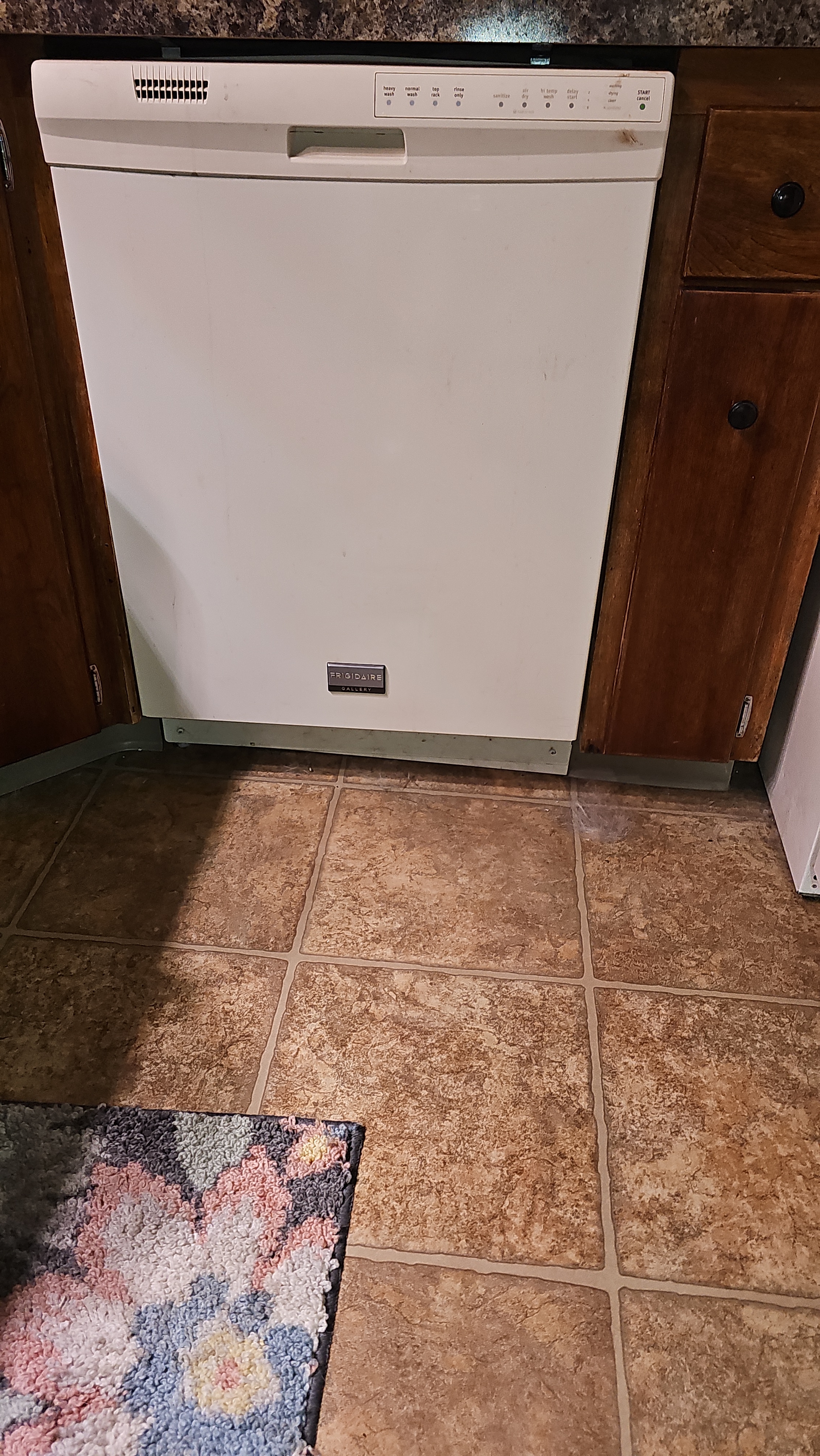
Reddit must've heard us talking about wanting a new dishwasher
What are the different types of furnaces?
3 Home Types Attracting Todays Consumer

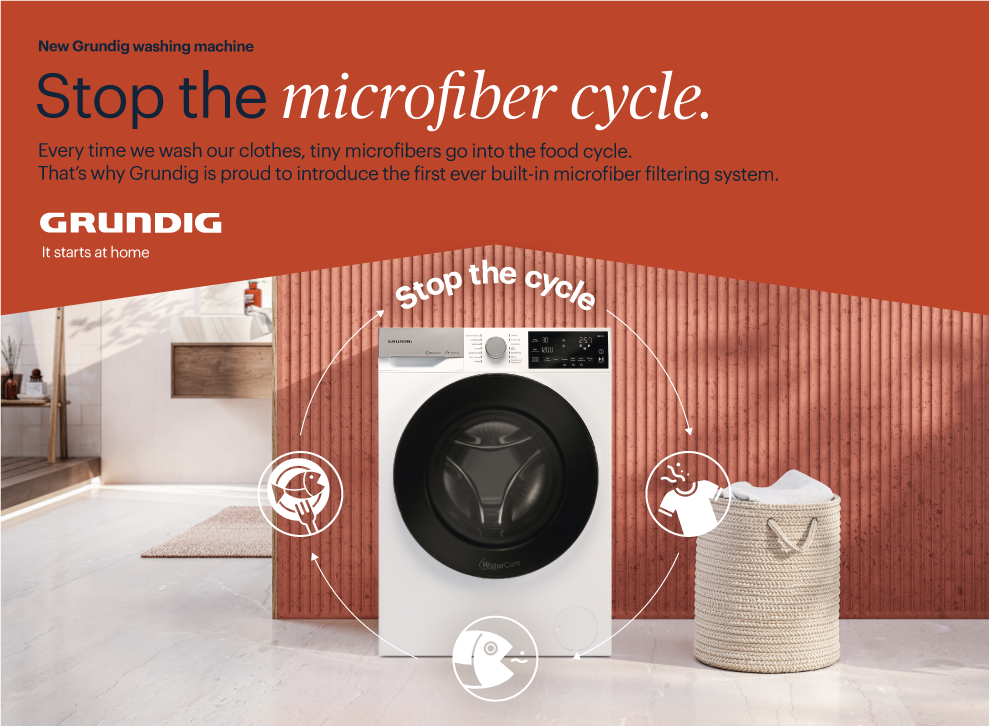
FiberCatcher® the Grundig’s technology to filtering textile microfibers
What are the common causes of a washing machine not draining?
Refrigerator not cooling, freezer working just OK