

Appliance Types
- Air Conditioner
- Automobile
- Chainsaw
- Circular Saw
- Dishwasher
- Drills
- Dryer
- Drywall Screw Gun
- Furnace
- Gas Fireplace
- Gas Grill
- Gas Patio Heater
- Grinder
- Heat Pump
- Impact Driver
- Impact Wrench
- Microwave
- Nailer
- Orbital Sander
- Pool Heaters
- Powerwall
- Range
- Refrigerator
- Television
- Washer
- Water Heater
Appliance Brands
- A.O. Smith
- AccuCold
- Admiral Craft
- AGA
- Airrex
- Amana
- Ambiance
- American Range
- American Standard
- American Water Heaters
- Aquacal
- Armstrong
- Asko
- Avanti
- Avenlur
- Azure
- Beko
- Bellfires
- Bertazzoni
- Blackstone
- Blaze
- Blomberg
- BlueStar
- Bosch
- Bradford White
- Bromic
- Bryant
- Cafe
- Calcana
- Capital
- Carrier
- Char-Broil
- Char-Griller
- Chrysler
- Coates
- Coleman
- Comfortmaker
- Commercial Chef
- Continental
- Cosmo
- Cove
- Crown Verity
- Dacor
- Daikin
- Danby
- Danfoss
- DaVinci
- DCS
- Deco
- DeWALT
- Ducane
- Dyna-Glo
- Dyson
- EcoSmart
- Electrolux
- Element4
- Empava
- Equator
- Eurodib
- European Home
- Everdure
- Farberware
- Fhiaba
- FibroPool
- Fire Sense
- Fisher
- FiveStar
- Flare
- Flash Furniture
- Focus
- Ford
- Forno
- Forte
- Frigidaire
- Fulgor Milano
- Gaggenau
- GE
- General Motors
- GlowBrand
- Goodman
- Grundig
- GSW
- Haier
- Hayward
- Heatstar
- Heil
- Hestan
- Hisense
- Hitachi
- Hotpoint
- iio
- Ilve
- Impecca
- Ingignia
- Insignia
- JennAir
- John Wood
- Keeprite
- Kenmore
- Kenyon
- KitchenAid
- Kucht
- La Cornue
- Lennox
- LG
- Liebherr
- Lifetime
- Lion
- Luxaire
- Lynx
- Magic Chef
- Marvel
- Maytag
- McQuay
- MicroFridge
- Midea
- Miele
- Migali
- Monogram
- Montigo
- Mr Heater
- Napoleon
- Navien
- Nexgrill
- Noritz
- Panasonic
- Patio Comforts
- Payne
- Pentair
- Perlick
- PITT
- Premier
- Raypak
- Real Fyre
- Regency
- Reliance
- Rheem
- Rinnai
- Roma
- Ruud
- Saber
- Samsung
- Schwank
- Sharp
- Smeg
- Solas
- Sony
- Spartherm
- Speed Queen
- StaRite
- State Water Heaters
- Stiebel Eltron
- SubZero
- Summerset
- Summit
- SunGlo
- SunPak
- Sunpentown
- SunStar
- Superiore
- Takagi
- TCL
- TEC
- Tempstar
- Tesla
- Thermador
- Thor Kitchen
- Toshiba
- Town and Country
- Toyota
- Traeger
- Trane
- Twin Eagles
- U-Line
- Unique
- Vaillant Group
- Valor
- Verona
- Victory
- Viessmann
- Viking
- Vizio
- Weber
- Westinghouse
- Whirlpool
- Whynter
- York
- ZLINE
Article Categories
- Air Conditioners
- Appliance Care
- Appliance News
- Dishwasher News
- Drying Machines
- Furnaces
- Gas Fireplaces
- Microwaves
- Pool Heaters
- Refrigerators
- Stoves - Ranges
- Tips and Tricks
- Washing Machines
- Water Heaters
More Articles
What is Microwave Radiation?
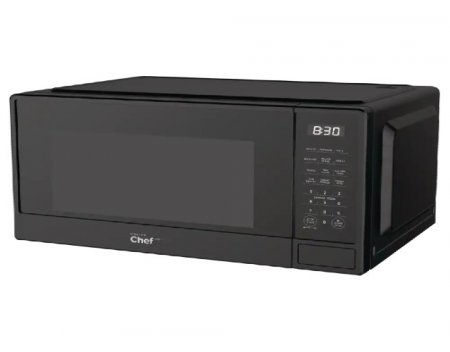
What is Microwave Radiation?
Microwaves are a form of "electromagnetic" radiation; that is, they are waves of electrical and magnetic energy moving together through space. Electromagnetic radiation spans a broad spectrum from very long radio waves to very short gamma rays. The human eye can only detect a small portion of this spectrum called visible light. A radio detects a different portion of the spectrum, and an X-ray machine uses yet another portion.
Visible light, microwaves, and radio frequency (RF) radiation are forms of non-ionizing radiation. Non-ionizing radiation does not have enough energy to knock electrons out of atoms. X-rays are a form of ionizing radiation. Exposure to ionizing radiation can alter atoms and molecules and cause damage to cells in organic matter.
Microwaves are used to detect speeding cars and to send telephone and television communications. Industry uses microwaves to dry and cure plywood, to cure rubber and resins, to raise bread and doughnuts, and to cook potato chips. But the most common consumer use of microwave energy is in microwave ovens. Microwaves have three characteristics that allow them to be used in cooking: they are reflected by metal; they pass through glass, paper, plastic, and similar materials; and they are absorbed by foods.
Avoiding Injuries from Super-Heated Water in Microwave Ovens.
The FDA received reports in the past of serious skin burns or scalding injuries around people's hands and faces as a result of hot water erupting out of a cup after it had been overheated in a microwave oven. Super-heated water (water heated past its boiling temperature) does not appear to be boiling and occurs when water is heated by itself in a clean cup. If super-heating has occurred, a slight disturbance or movement such as picking up the cup, or pouring in a spoon full of instant coffee, may result in a violent eruption with the boiling water exploding out of the cup. Adding substances such as instant coffee or sugar before heating greatly reduces this risk.
Users should closely follow the precautions and recommendations provided in the microwave oven instruction manuals, specifically regarding heating times. Users should make sure that they do not exceed the recommended heating times when determining the best time settings to heat water to the desired temperature.
Microwave Ovens and Health.
Microwave radiation can heat body tissue the same way it heats food. Exposure to high levels of microwaves can cause a painful burn. Two areas of the body, the eyes and the testes, are particularly vulnerable to RF heating because there is relatively little blood flow in them to carry away excess heat. Additionally, the lens of the eye is particularly sensitive to intense heat, and exposure to high levels of microwaves can cause cataracts. But these types of injuries – burns and cataracts – can only be caused by exposure to large amounts of microwave radiation.
Have Radiation Injuries Resulted from Microwave Ovens?
Most injuries related to microwave ovens are the result of heat-related burns from hot containers, overheated foods, or exploding liquids. Most injuries are not radiation-related. That said, there have been very rare instances of radiation injury due to unusual circumstances or improper servicing. In general, microwave oven radiation injuries are caused by exposure to large amounts of microwave radiation leaking through openings such as gaps in the microwave oven seals. However, FDA regulations require that microwave ovens are designed to prevent these high level radiation leaks.
SOURCE: fda.gov
What is Microwave Radiation?
Microwaves are a form of "electromagnetic" radiation; that is, they are waves of electrical and magnetic energy moving together through space. Electromagnetic radiation spans a broad spectrum from very long radio waves to very short gamma rays. The human eye can only detect a small portion of this spectrum called visible light. A radio detects a different portion of the spectrum, and an X-ray machine uses yet another portion.
Visible light, microwaves, and radio frequency (RF) radiation are forms of non-ionizing radiation. Non-ionizing radiation does not have enough energy to knock electrons out of atoms. X-rays are a form of ionizing radiation. Exposure to ionizing radiation can alter atoms and molecules and cause damage to cells in organic matter.
Microwaves are used to detect speeding cars and to send telephone and television communications. Industry uses microwaves to dry and cure plywood, to cure rubber and resins, to raise bread and doughnuts, and to cook potato chips. But the most common consumer use of microwave energy is in microwave ovens. Microwaves have three characteristics that allow them to be used in cooking: they are reflected by metal; they pass through glass, paper, plastic, and similar materials; and they are absorbed by foods.
Avoiding Injuries from Super-Heated Water in Microwave Ovens.
The FDA received reports in the past of serious skin burns or scalding injuries around people's hands and faces as a result of hot water erupting out of a cup after it had been overheated in a microwave oven. Super-heated water (water heated past its boiling temperature) does not appear to be boiling and occurs when water is heated by itself in a clean cup. If super-heating has occurred, a slight disturbance or movement such as picking up the cup, or pouring in a spoon full of instant coffee, may result in a violent eruption with the boiling water exploding out of the cup. Adding substances such as instant coffee or sugar before heating greatly reduces this risk.
Users should closely follow the precautions and recommendations provided in the microwave oven instruction manuals, specifically regarding heating times. Users should make sure that they do not exceed the recommended heating times when determining the best time settings to heat water to the desired temperature.
Microwave Ovens and Health.
Microwave radiation can heat body tissue the same way it heats food. Exposure to high levels of microwaves can cause a painful burn. Two areas of the body, the eyes and the testes, are particularly vulnerable to RF heating because there is relatively little blood flow in them to carry away excess heat. Additionally, the lens of the eye is particularly sensitive to intense heat, and exposure to high levels of microwaves can cause cataracts. But these types of injuries – burns and cataracts – can only be caused by exposure to large amounts of microwave radiation.
Have Radiation Injuries Resulted from Microwave Ovens?
Most injuries related to microwave ovens are the result of heat-related burns from hot containers, overheated foods, or exploding liquids. Most injuries are not radiation-related. That said, there have been very rare instances of radiation injury due to unusual circumstances or improper servicing. In general, microwave oven radiation injuries are caused by exposure to large amounts of microwave radiation leaking through openings such as gaps in the microwave oven seals. However, FDA regulations require that microwave ovens are designed to prevent these high level radiation leaks.
SOURCE: fda.gov
Whirlpool Oven doesnt bake evenly
Whirlpool’s appliance sale to benefit United Way in Tennessee


Five Common Issues With Dishwashers
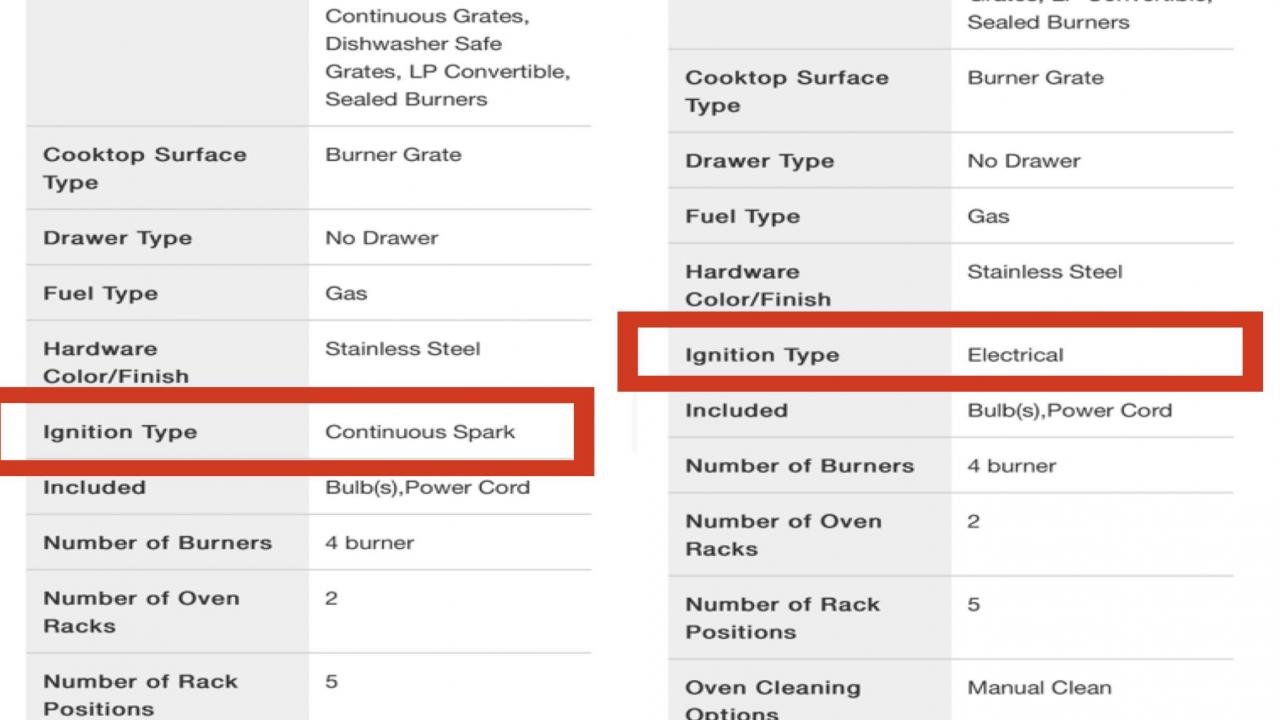
Which Ignition type is safer for gas ranges? Electrical or Continuous Spark?
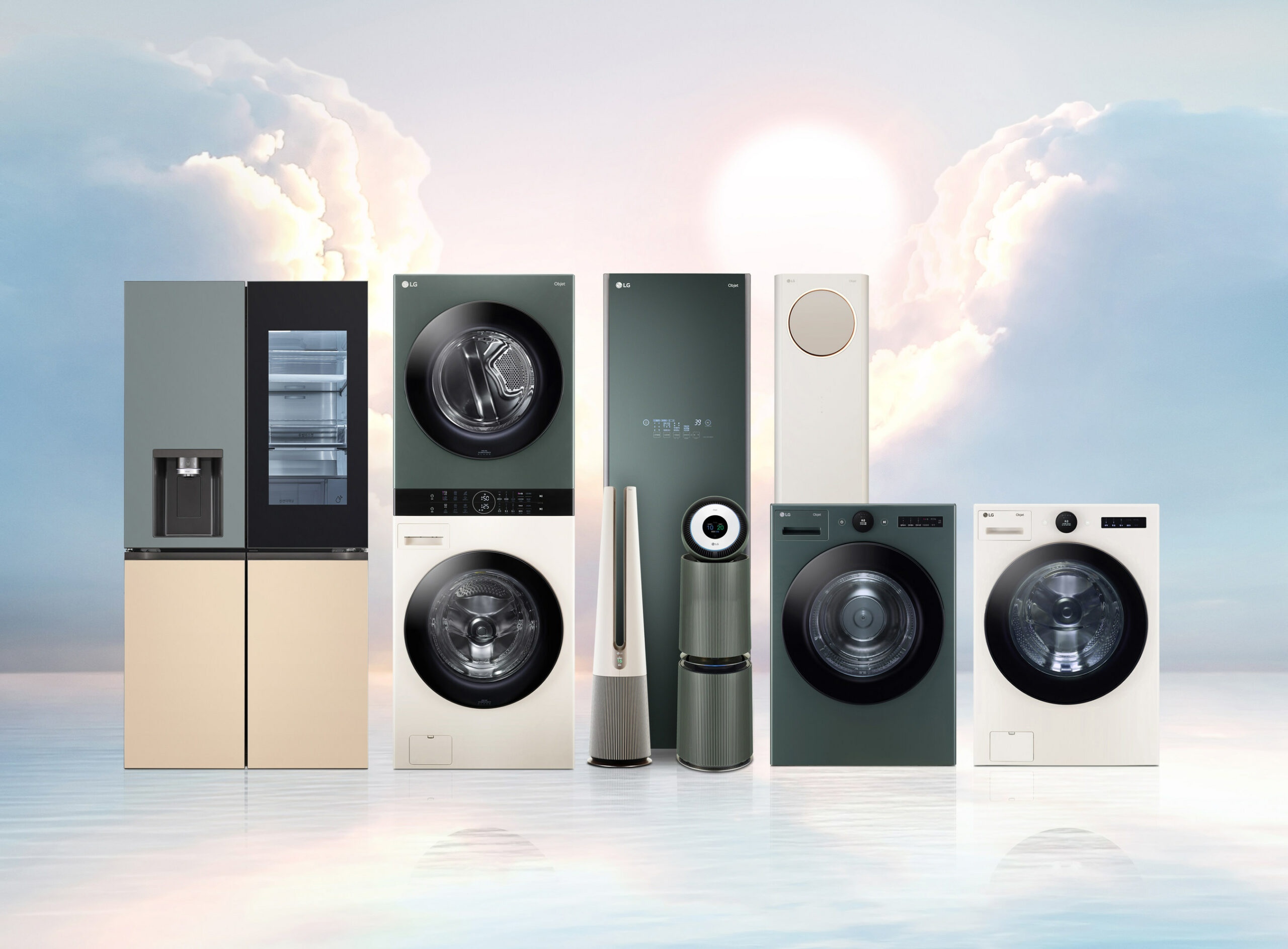
LG introduce upgradeable home appliances
De’Longhi presents the machine for hot and cold coffee

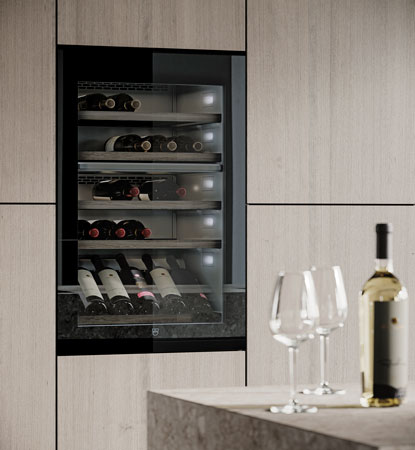
The WineCooler V4000 90 by V-Zug
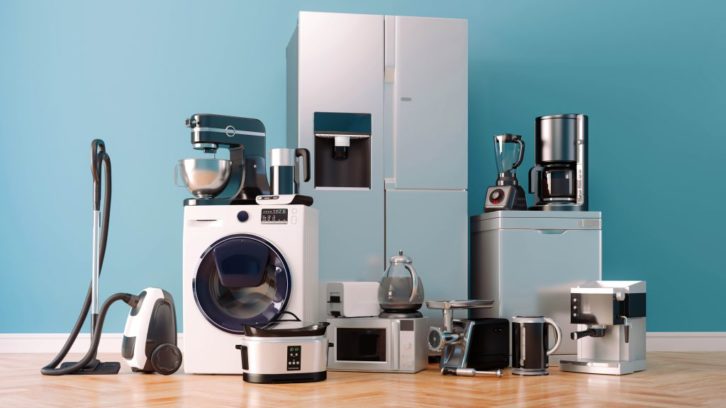
The Pros And Cons Of Buying Refurbished Appliances
Lofra’s 30″ Dolcevita Dual Fuel Range Available For Pre-sale