


Appliance Types
- Air Conditioner
- Automobile
- Chainsaw
- Circular Saw
- Dishwasher
- Drills
- Dryer
- Drywall Screw Gun
- Furnace
- Gas Fireplace
- Gas Grill
- Gas Patio Heater
- Grinder
- Heat Pump
- Impact Driver
- Impact Wrench
- Microwave
- Nailer
- Orbital Sander
- Pool Heaters
- Powerwall
- Range
- Refrigerator
- Television
- Washer
- Water Heater
Appliance Brands
- A.O. Smith
- AccuCold
- Admiral Craft
- AGA
- Airrex
- Amana
- Ambiance
- American Range
- American Standard
- American Water Heaters
- Aquacal
- Armstrong
- Asko
- Avanti
- Avenlur
- Azure
- Beko
- Bellfires
- Bertazzoni
- Blackstone
- Blaze
- Blomberg
- BlueStar
- Bosch
- Bradford White
- Bromic
- Bryant
- Cafe
- Calcana
- Capital
- Carrier
- Char-Broil
- Char-Griller
- Chrysler
- Coates
- Coleman
- Comfortmaker
- Commercial Chef
- Continental
- Cosmo
- Cove
- Crown Verity
- Dacor
- Daikin
- Danby
- Danfoss
- DaVinci
- DCS
- Deco
- DeWALT
- Ducane
- Dyna-Glo
- Dyson
- EcoSmart
- Electrolux
- Element4
- Empava
- Equator
- Eurodib
- European Home
- Everdure
- Farberware
- Fhiaba
- FibroPool
- Fire Sense
- Fisher
- FiveStar
- Flare
- Flash Furniture
- Focus
- Ford
- Forno
- Forte
- Frigidaire
- Fulgor Milano
- Gaggenau
- GE
- General Motors
- GlowBrand
- Goodman
- Grundig
- GSW
- Haier
- Hayward
- Heatstar
- Heil
- Hestan
- Hisense
- Hitachi
- Hotpoint
- iio
- Ilve
- Impecca
- Ingignia
- Insignia
- JennAir
- John Wood
- Keeprite
- Kenmore
- Kenyon
- KitchenAid
- Kucht
- La Cornue
- Lennox
- LG
- Liebherr
- Lifetime
- Lion
- Luxaire
- Lynx
- Magic Chef
- Marvel
- Maytag
- McQuay
- MicroFridge
- Midea
- Miele
- Migali
- Monogram
- Montigo
- Mr Heater
- Napoleon
- Navien
- Nexgrill
- Noritz
- Panasonic
- Patio Comforts
- Payne
- Pentair
- Perlick
- PITT
- Premier
- Raypak
- Real Fyre
- Regency
- Reliance
- Rheem
- Rinnai
- Roma
- Ruud
- Saber
- Samsung
- Schwank
- Sharp
- Smeg
- Solas
- Sony
- Spartherm
- Speed Queen
- StaRite
- State Water Heaters
- Stiebel Eltron
- SubZero
- Summerset
- Summit
- SunGlo
- SunPak
- Sunpentown
- SunStar
- Superiore
- Takagi
- TCL
- TEC
- Tempstar
- Tesla
- Thermador
- Thor Kitchen
- Toshiba
- Town and Country
- Toyota
- Traeger
- Trane
- Twin Eagles
- U-Line
- Unique
- Vaillant Group
- Valor
- Verona
- Victory
- Viessmann
- Viking
- Vizio
- Weber
- Westinghouse
- Whirlpool
- Whynter
- York
- ZLINE
Article Categories
- Air Conditioners
- Appliance Care
- Appliance News
- Dishwasher News
- Drying Machines
- Furnaces
- Gas Fireplaces
- Microwaves
- Pool Heaters
- Refrigerators
- Stoves - Ranges
- Tips and Tricks
- Washing Machines
- Water Heaters
More Articles
Whats the Difference Between Electric, Gas, and Oil Heating Systems?
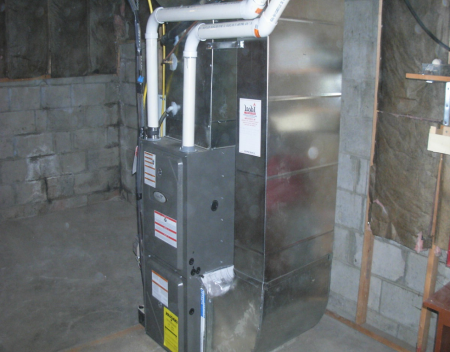
Heating is a necessity for many of us, even in a warm climate, there are nights where it gets downright chilly! When it comes to selecting a new heating system for your property, the options may not be as straightforward as you think. Electricity, oil, and gas systems all encompass specific pros and cons to consider before making the most effective choice.
Your opinion of which factors are the most important will be personal to you. For instance, many people consider AFUE ratings (Annual Fuel Utilization Efficiency) to be a primary concern. These ratings measure the efficiency of combustion within a machine, indicating which systems provide better heating for fewer costs. Other environmentally-conscious homeowners may prefer to think of the emissions created by their system, and the complications involved with installation and maintenance. Below we’ll cover each of the most common options, from costs to convenience, to help you make the right decision.
Gas Heating: The Pros and Cons
Gas produces heat through the use of a furnace pushing warm air throughout a ventilated system. It can also work through a boiler heating water into steam that circulates through coils or radiators. Natural gas heats around 50% of U.S. homes.
Natural gas is consistent, and convenient. Because the fuel comes from an underground pipeline, you never have to arrange for delivery like with oil systems. What’s more, the boom in natural gas across the nation has helped to keep operating costs low for consumers, and supplies are likely to remain available for years to come. On the other hand, gas systems typically cost more to install than electrical system, and will require a higher investment in factors like pipes and ventilation, making them less of a budget-friendly option.
Larger gas systems require regular cleaning and annual servicing in order to continue working effectively. Even with that servicing, older gas furnaces can be less efficient when converting energy into useable heat.
Oil Heating: The Pros and Cons
Oil is another of the most common fuels used to heat buildings and homes. When it comes to producing heat, oil is often a little more effective than gas, however it can also cost more, depending on the time of year and the global situation. Because the price of oil ties to the availability and cost of crude oil, there are fluctuations in the price of heating a home. While this year, oil is cheaper, people with these types of furnaces are at the mercy of circumstance.
Another issue with oil heating, is that homes must have a tank in the yard, and can be responsible for scheduling their own oil deliveries, which is less convenient for most households. Often, electrical systems are far more user-friendly, because they simply need professional installation and occasional maintenance to work. What’s more, oil furnaces require cleaning more often than even natural gas furnaces, and electric furnaces, along with filter changes.
Electric Heating: The Pros and Cons
Electrical heating systems use a resistor unit to convert electrical energy to thermal energy that heats furnace air which spreads through ducts. Usually, these heating systems are compact, easy to install, and can last for decades. Electric heating also offers homeowners the opportunity to upgrade to solar heating, as furnaces can connect to solar panels in a hassle-free manner. For most people, electrical heating systems are emerging as the most efficient, cost-effective, and convenient option available. Just some of the advantages of choosing electric include:
- Broken heaters are not dangerous, and are easy to fix
- Electric heating is quieter, no more clunking gas furnaces
- Electrical heating can be used as a supplement to an existing system, so users don’t need to overhaul their entire heating setup
- Electrical heating responds quickly, and heats faster than a slow-starting oil or gas furnace
Heating a home or property with electricity is safe. It does not produce any byproducts that negatively affect residents or the environment, such as carbon dioxide or particulate allergens. What’s more, electric heating systems benefit from the absence of a pilot light, which eliminates the possibility of an explosion when attempting to restart heating systems. In other words, if you’re concerned about the safety of your heating system, or have a particular interest in the longevity of the environment, electrical heating is the best solution.
Another benefit of electric heat, is that unlike gas heat, where unused rooms must be kept at the same temperature as frequently used rooms, electrical heat allows for the adjustment of temperature from room to room, reducing costs and conserving energy.
Heating Your Home
As the points above suggest, electrical heating may be the most cost effective, environmentally friendly, and convenient way to efficiently improve the comfort in your home. However, choosing which heating source is best for your home will be a matter of personal preference.
What kind of heating system have you installed in your home? Have you tried multiple options in different homes and know which one you like best?
Source: Re-posted and Summarized from idealservice.com
Heating is a necessity for many of us, even in a warm climate, there are nights where it gets downright chilly! When it comes to selecting a new heating system for your property, the options may not be as straightforward as you think. Electricity, oil, and gas systems all encompass specific pros and cons to consider before making the most effective choice.
Your opinion of which factors are the most important will be personal to you. For instance, many people consider AFUE ratings (Annual Fuel Utilization Efficiency) to be a primary concern. These ratings measure the efficiency of combustion within a machine, indicating which systems provide better heating for fewer costs. Other environmentally-conscious homeowners may prefer to think of the emissions created by their system, and the complications involved with installation and maintenance. Below we’ll cover each of the most common options, from costs to convenience, to help you make the right decision.
Gas Heating: The Pros and Cons
Gas produces heat through the use of a furnace pushing warm air throughout a ventilated system. It can also work through a boiler heating water into steam that circulates through coils or radiators. Natural gas heats around 50% of U.S. homes.
Natural gas is consistent, and convenient. Because the fuel comes from an underground pipeline, you never have to arrange for delivery like with oil systems. What’s more, the boom in natural gas across the nation has helped to keep operating costs low for consumers, and supplies are likely to remain available for years to come. On the other hand, gas systems typically cost more to install than electrical system, and will require a higher investment in factors like pipes and ventilation, making them less of a budget-friendly option.
Larger gas systems require regular cleaning and annual servicing in order to continue working effectively. Even with that servicing, older gas furnaces can be less efficient when converting energy into useable heat.
Oil Heating: The Pros and Cons
Oil is another of the most common fuels used to heat buildings and homes. When it comes to producing heat, oil is often a little more effective than gas, however it can also cost more, depending on the time of year and the global situation. Because the price of oil ties to the availability and cost of crude oil, there are fluctuations in the price of heating a home. While this year, oil is cheaper, people with these types of furnaces are at the mercy of circumstance.
Another issue with oil heating, is that homes must have a tank in the yard, and can be responsible for scheduling their own oil deliveries, which is less convenient for most households. Often, electrical systems are far more user-friendly, because they simply need professional installation and occasional maintenance to work. What’s more, oil furnaces require cleaning more often than even natural gas furnaces, and electric furnaces, along with filter changes.
Electric Heating: The Pros and Cons
Electrical heating systems use a resistor unit to convert electrical energy to thermal energy that heats furnace air which spreads through ducts. Usually, these heating systems are compact, easy to install, and can last for decades. Electric heating also offers homeowners the opportunity to upgrade to solar heating, as furnaces can connect to solar panels in a hassle-free manner. For most people, electrical heating systems are emerging as the most efficient, cost-effective, and convenient option available. Just some of the advantages of choosing electric include:
- Broken heaters are not dangerous, and are easy to fix
- Electric heating is quieter, no more clunking gas furnaces
- Electrical heating can be used as a supplement to an existing system, so users don’t need to overhaul their entire heating setup
- Electrical heating responds quickly, and heats faster than a slow-starting oil or gas furnace
Heating a home or property with electricity is safe. It does not produce any byproducts that negatively affect residents or the environment, such as carbon dioxide or particulate allergens. What’s more, electric heating systems benefit from the absence of a pilot light, which eliminates the possibility of an explosion when attempting to restart heating systems. In other words, if you’re concerned about the safety of your heating system, or have a particular interest in the longevity of the environment, electrical heating is the best solution.
Another benefit of electric heat, is that unlike gas heat, where unused rooms must be kept at the same temperature as frequently used rooms, electrical heat allows for the adjustment of temperature from room to room, reducing costs and conserving energy.
Heating Your Home
As the points above suggest, electrical heating may be the most cost effective, environmentally friendly, and convenient way to efficiently improve the comfort in your home. However, choosing which heating source is best for your home will be a matter of personal preference.
What kind of heating system have you installed in your home? Have you tried multiple options in different homes and know which one you like best?
Source: Re-posted and Summarized from idealservice.com
Are there refrigerators on the market with an ice maker and NO water dispenser?
Daikin and Wlab will develop new solutions for a safe indoor air

How Do I Know If Something Is Microwave Safe?
What are the signs that indicate my oven needs repair?
Whirlpool Corporation to Feature Purposeful Appliance Innovations at IBS 2022

Puppyoo Proudly Presents Their Premium Cordless Vacuum T12 Plus Rinse at the 2022 IFA

GE commercial GTX52EASPWB disassembly instructions
LG refrigerator received the EPD certification