

Appliance Types
- Air Conditioner
- Automobile
- Chainsaw
- Circular Saw
- Dishwasher
- Drills
- Dryer
- Drywall Screw Gun
- Furnace
- Gas Fireplace
- Gas Grill
- Gas Patio Heater
- Grinder
- Heat Pump
- Impact Driver
- Impact Wrench
- Microwave
- Nailer
- Orbital Sander
- Pool Heaters
- Powerwall
- Range
- Refrigerator
- Television
- Washer
- Water Heater
Appliance Brands
- A.O. Smith
- AccuCold
- Admiral Craft
- AGA
- Airrex
- Amana
- Ambiance
- American Range
- American Standard
- American Water Heaters
- Aquacal
- Armstrong
- Asko
- Avanti
- Avenlur
- Azure
- Beko
- Bellfires
- Bertazzoni
- Blackstone
- Blaze
- Blomberg
- BlueStar
- Bosch
- Bradford White
- Bromic
- Bryant
- Cafe
- Calcana
- Capital
- Carrier
- Char-Broil
- Char-Griller
- Chrysler
- Coates
- Coleman
- Comfortmaker
- Commercial Chef
- Continental
- Cosmo
- Cove
- Crown Verity
- Dacor
- Daikin
- Danby
- Danfoss
- DaVinci
- DCS
- Deco
- DeWALT
- Ducane
- Dyna-Glo
- Dyson
- EcoSmart
- Electrolux
- Element4
- Empava
- Equator
- Eurodib
- European Home
- Everdure
- Farberware
- Fhiaba
- FibroPool
- Fire Sense
- Fisher
- FiveStar
- Flare
- Flash Furniture
- Focus
- Ford
- Forno
- Forte
- Frigidaire
- Fulgor Milano
- Gaggenau
- GE
- General Motors
- GlowBrand
- Goodman
- Grundig
- GSW
- Haier
- Hayward
- Heatstar
- Heil
- Hestan
- Hisense
- Hitachi
- Hotpoint
- iio
- Ilve
- Impecca
- Ingignia
- Insignia
- JennAir
- John Wood
- Keeprite
- Kenmore
- Kenyon
- KitchenAid
- Kucht
- La Cornue
- Lennox
- LG
- Liebherr
- Lifetime
- Lion
- Luxaire
- Lynx
- Magic Chef
- Marvel
- Maytag
- McQuay
- MicroFridge
- Midea
- Miele
- Migali
- Monogram
- Montigo
- Mr Heater
- Napoleon
- Navien
- Nexgrill
- Noritz
- Panasonic
- Patio Comforts
- Payne
- Pentair
- Perlick
- PITT
- Premier
- Raypak
- Real Fyre
- Regency
- Reliance
- Rheem
- Rinnai
- Roma
- Ruud
- Saber
- Samsung
- Schwank
- Sharp
- Smeg
- Solas
- Sony
- Spartherm
- Speed Queen
- StaRite
- State Water Heaters
- Stiebel Eltron
- SubZero
- Summerset
- Summit
- SunGlo
- SunPak
- Sunpentown
- SunStar
- Superiore
- Takagi
- TCL
- TEC
- Tempstar
- Tesla
- Thermador
- Thor Kitchen
- Toshiba
- Town and Country
- Toyota
- Traeger
- Trane
- Twin Eagles
- U-Line
- Unique
- Vaillant Group
- Valor
- Verona
- Victory
- Viessmann
- Viking
- Vizio
- Weber
- Westinghouse
- Whirlpool
- Whynter
- York
- ZLINE
Article Categories
- Air Conditioners
- Appliance Care
- Appliance News
- Dishwasher News
- Drying Machines
- Furnaces
- Gas Fireplaces
- Microwaves
- Pool Heaters
- Refrigerators
- Stoves - Ranges
- Tips and Tricks
- Washing Machines
- Water Heaters
More Articles
Why Cant Metal Objects Go in the Microwave?
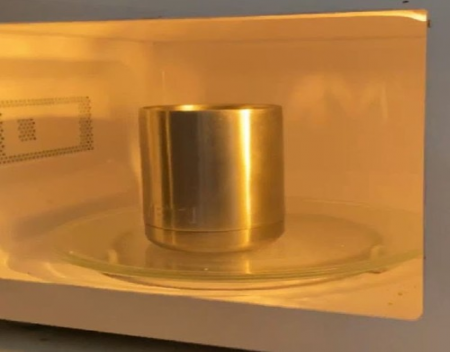
What do you do when you're hungry after school, but you've only got a few minutes between finishing homework and heading off to soccer or band practice? If you're like many kids, you might heat up some leftovers, cook a to-go cup of macaroni and cheese, or pop some popcorn to hold you over until dinner time.
If you've ever done any of those things, then you're probably familiar with that kitchen appliance that seems to get a lot more useful than the stovetop or the conventional oven. What are we talking about? The microwave oven, of course!
This seemingly-magical device can serve up hot and tasty food in a matter of seconds, which is a whole lot faster than a conventional oven or stovetop. It doesn't use magic, though. Microwave ovens are pure science in action.
When you first learn to use a microwave oven, there's one important admonition that's usually taught first: don't put metal objects in the microwave oven! If you look closely at a microwave oven, though, that warning might seem a little strange.
After all, the inside walls of microwave ovens are made of metal. If you look through the front door of a microwave oven, you'll also notice it contains a sheet of metal mesh. So why can't you put other metal objects in a microwave oven?
Microwaves are a form of electromagnetic radiation created by a device called a magnetron. The metal in the walls and door of a microwave oven are safety measures. They keep the microwaves from escaping and cooking other objects, such as YOU!
The metal inside a microwave oven reflects the microwaves and focuses them on the food to be cooked. The microwaves get absorbed by certain molecules within the food. For example, water molecules within food primarily absorb microwaves and begin to move back and forth, generating heat that cooks the food.
Metals, such as forks, knives, and spoons, are great conductors of electricity because they contain lots of electrons that move about freely. When microwaves hit metal objects, they get reflected, which can cause problems.
If there isn't sufficient material in the microwave oven to absorb the reflected microwaves, arcing between the metal object and another part of the microwave oven can occur. This looks like a miniature bolt of lightning when it occurs, and it can seriously damage the microwave oven by starting a fire, burning a hole in the wall of the microwave oven, destroying the magnetron, or damaging sensitive electrical components.
If you accidentally leave a spoon in a bowl of soup that you intend to warm up in a microwave oven, it's usually not the end of the world. Serious fires or injuries as a result of leaving metal in a microwave oven aren't very common. There is a good possibility, though, that you could damage the microwave oven itself, requiring you to repair or replace it.
So, as a general rule, it's best not to put metal objects in a microwave oven. Some food manufacturers, though, have taken advantage of the properties of metals by producing microwaveable packaging that's covered in a thin layer of metal foil. These can be seen on items such as frozen pizzas and similar foods.
The thin layer of metal foil on the packages causes the parts of food closest to the foil to heat up more rapidly. In the case of a frozen pizza, this can mean a crisper crust than you could otherwise obtain from microwaving the pizza on a plate, for example.
SOURCE: wonderopolis.org
What do you do when you're hungry after school, but you've only got a few minutes between finishing homework and heading off to soccer or band practice? If you're like many kids, you might heat up some leftovers, cook a to-go cup of macaroni and cheese, or pop some popcorn to hold you over until dinner time.
If you've ever done any of those things, then you're probably familiar with that kitchen appliance that seems to get a lot more useful than the stovetop or the conventional oven. What are we talking about? The microwave oven, of course!
This seemingly-magical device can serve up hot and tasty food in a matter of seconds, which is a whole lot faster than a conventional oven or stovetop. It doesn't use magic, though. Microwave ovens are pure science in action.
When you first learn to use a microwave oven, there's one important admonition that's usually taught first: don't put metal objects in the microwave oven! If you look closely at a microwave oven, though, that warning might seem a little strange.
After all, the inside walls of microwave ovens are made of metal. If you look through the front door of a microwave oven, you'll also notice it contains a sheet of metal mesh. So why can't you put other metal objects in a microwave oven?
Microwaves are a form of electromagnetic radiation created by a device called a magnetron. The metal in the walls and door of a microwave oven are safety measures. They keep the microwaves from escaping and cooking other objects, such as YOU!
The metal inside a microwave oven reflects the microwaves and focuses them on the food to be cooked. The microwaves get absorbed by certain molecules within the food. For example, water molecules within food primarily absorb microwaves and begin to move back and forth, generating heat that cooks the food.
Metals, such as forks, knives, and spoons, are great conductors of electricity because they contain lots of electrons that move about freely. When microwaves hit metal objects, they get reflected, which can cause problems.
If there isn't sufficient material in the microwave oven to absorb the reflected microwaves, arcing between the metal object and another part of the microwave oven can occur. This looks like a miniature bolt of lightning when it occurs, and it can seriously damage the microwave oven by starting a fire, burning a hole in the wall of the microwave oven, destroying the magnetron, or damaging sensitive electrical components.
If you accidentally leave a spoon in a bowl of soup that you intend to warm up in a microwave oven, it's usually not the end of the world. Serious fires or injuries as a result of leaving metal in a microwave oven aren't very common. There is a good possibility, though, that you could damage the microwave oven itself, requiring you to repair or replace it.
So, as a general rule, it's best not to put metal objects in a microwave oven. Some food manufacturers, though, have taken advantage of the properties of metals by producing microwaveable packaging that's covered in a thin layer of metal foil. These can be seen on items such as frozen pizzas and similar foods.
The thin layer of metal foil on the packages causes the parts of food closest to the foil to heat up more rapidly. In the case of a frozen pizza, this can mean a crisper crust than you could otherwise obtain from microwaving the pizza on a plate, for example.
SOURCE: wonderopolis.org
Is Microwaving Food Bad For You?
Need opinions on refrigerator options
Why is My Water Heater Too Hot?
Common Causes of Furnace Fires
Gaggenau increases its presence in North America and Australia

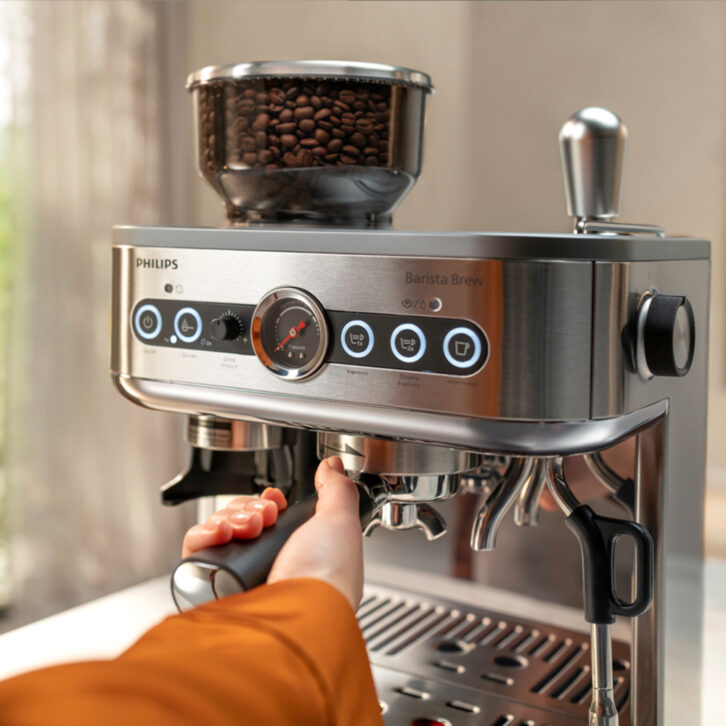
Versuni Enters North American Market With Small Appliance Portfolio
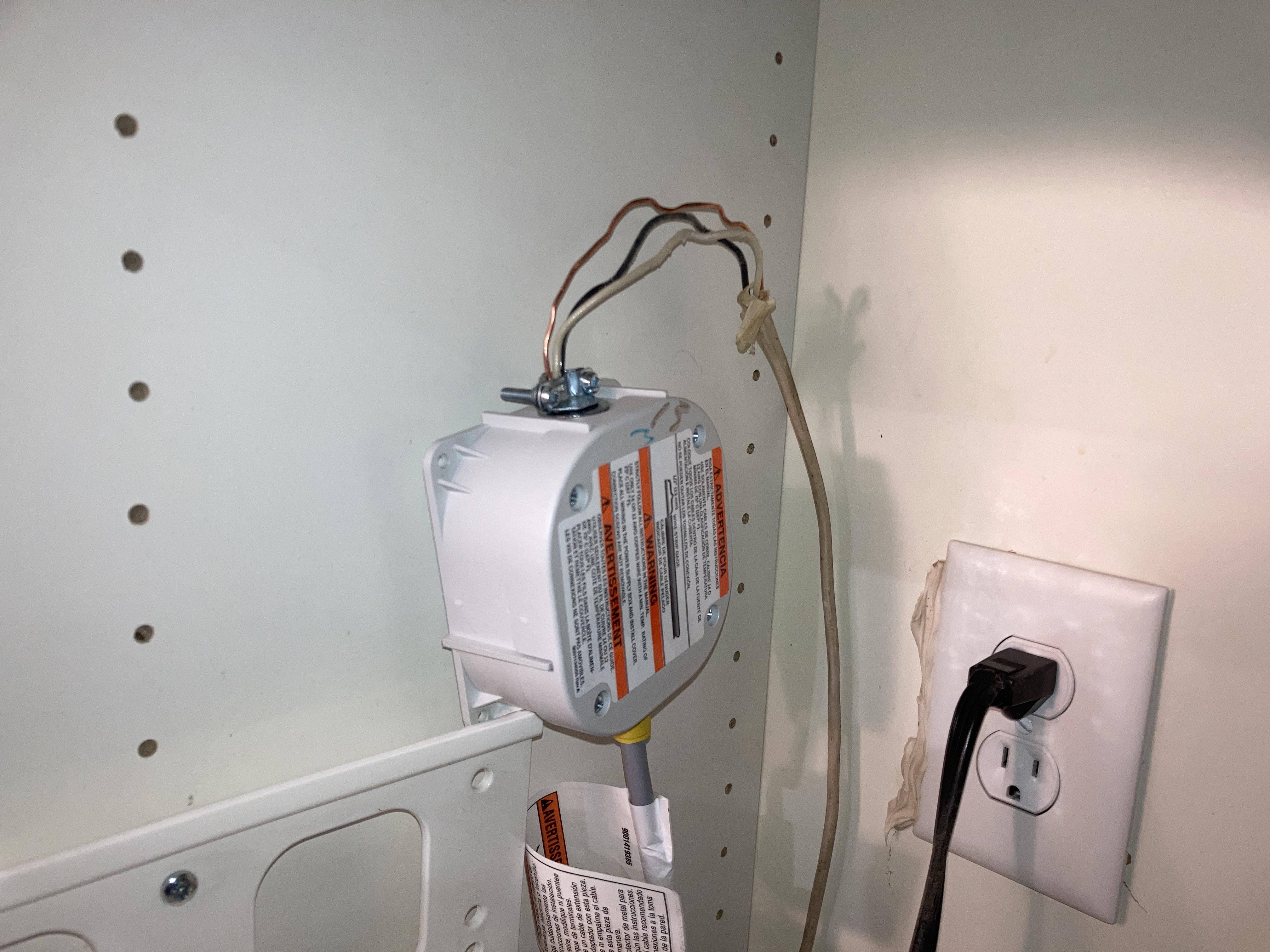
Should I wrap these in electrical tape or some other kind of casing?
Samsung fridge not cooling enough, what should I check?