

Appliance Types
- Air Conditioner
- Automobile
- Chainsaw
- Circular Saw
- Dishwasher
- Drills
- Dryer
- Drywall Screw Gun
- Furnace
- Gas Fireplace
- Gas Grill
- Gas Patio Heater
- Grinder
- Heat Pump
- Impact Driver
- Impact Wrench
- Microwave
- Nailer
- Orbital Sander
- Pool Heaters
- Powerwall
- Range
- Refrigerator
- Television
- Washer
- Water Heater
Appliance Brands
- A.O. Smith
- AccuCold
- Admiral Craft
- AGA
- Airrex
- Amana
- Ambiance
- American Range
- American Standard
- American Water Heaters
- Aquacal
- Armstrong
- Asko
- Avanti
- Avenlur
- Azure
- Beko
- Bellfires
- Bertazzoni
- Blackstone
- Blaze
- Blomberg
- BlueStar
- Bosch
- Bradford White
- Bromic
- Bryant
- Cafe
- Calcana
- Capital
- Carrier
- Char-Broil
- Char-Griller
- Chrysler
- Coates
- Coleman
- Comfortmaker
- Commercial Chef
- Continental
- Cosmo
- Cove
- Crown Verity
- Dacor
- Daikin
- Danby
- Danfoss
- DaVinci
- DCS
- Deco
- DeWALT
- Ducane
- Dyna-Glo
- Dyson
- EcoSmart
- Electrolux
- Element4
- Empava
- Equator
- Eurodib
- European Home
- Everdure
- Farberware
- Fhiaba
- FibroPool
- Fire Sense
- Fisher
- FiveStar
- Flare
- Flash Furniture
- Focus
- Ford
- Forno
- Forte
- Frigidaire
- Fulgor Milano
- Gaggenau
- GE
- General Motors
- GlowBrand
- Goodman
- Grundig
- GSW
- Haier
- Hayward
- Heatstar
- Heil
- Hestan
- Hisense
- Hitachi
- Hotpoint
- iio
- Ilve
- Impecca
- Ingignia
- Insignia
- JennAir
- John Wood
- Keeprite
- Kenmore
- Kenyon
- KitchenAid
- Kucht
- La Cornue
- Lennox
- LG
- Liebherr
- Lifetime
- Lion
- Luxaire
- Lynx
- Magic Chef
- Marvel
- Maytag
- McQuay
- MicroFridge
- Midea
- Miele
- Migali
- Monogram
- Montigo
- Mr Heater
- Napoleon
- Navien
- Nexgrill
- Noritz
- Panasonic
- Patio Comforts
- Payne
- Pentair
- Perlick
- PITT
- Premier
- Raypak
- Real Fyre
- Regency
- Reliance
- Rheem
- Rinnai
- Roma
- Ruud
- Saber
- Samsung
- Schwank
- Sharp
- Smeg
- Solas
- Sony
- Spartherm
- Speed Queen
- StaRite
- State Water Heaters
- Stiebel Eltron
- SubZero
- Summerset
- Summit
- SunGlo
- SunPak
- Sunpentown
- SunStar
- Superiore
- Takagi
- TCL
- TEC
- Tempstar
- Tesla
- Thermador
- Thor Kitchen
- Toshiba
- Town and Country
- Toyota
- Traeger
- Trane
- Twin Eagles
- U-Line
- Unique
- Vaillant Group
- Valor
- Verona
- Victory
- Viessmann
- Viking
- Vizio
- Weber
- Westinghouse
- Whirlpool
- Whynter
- York
- ZLINE
Article Categories
- Air Conditioners
- Appliance Care
- Appliance News
- Dishwasher News
- Drying Machines
- Furnaces
- Gas Fireplaces
- Microwaves
- Pool Heaters
- Refrigerators
- Stoves - Ranges
- Tips and Tricks
- Washing Machines
- Water Heaters
More Articles
Air Conditioning Troubleshooting Guide
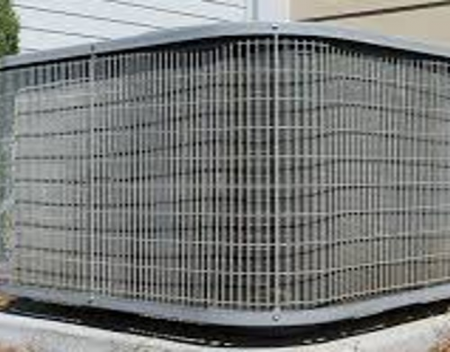
Air Conditioning Troubleshooting Guide.
A preemptive air conditioning troubleshooting mission and appropriate residential air conditioning maintenance can aid you in your goal of smoothly operating air conditioning systems and happy residents. Let’s take a look at the most common air conditioning problems.
THE AC WON’T TURN ON.
At the top of your list of fears when you initiate your air conditioning troubleshooting review might be that you’ll turn on the system and hear nothing and feel nothing. The lack of power could be something as simple as a blown fuse or a tripped circuit breaker, which means you’ll have to reset the circuit breaker or replace a blown use. It also could be the result of broken or loose wiring or thermostat problems.
THERMOSTAT GLITCHES.
If your thermostat is not working or if it is incorrectly calibrated, it may not tell the air conditioner to turn on. If you have set your thermostat to the lowest temperature setting and the system still does not start, it’s probably time to call your HVAC repair technician, who will likely have to recalibrate or replace the thermostat. The older, dial-type thermostats are more often subject to calibration problems, but sometimes the newer programmable thermostats are not easy to program. When doing air conditioning troubleshooting, you should consult your thermostat manual to make sure you have programmed your thermostat properly.
AIR CONDITIONER PROBLEMS ARE NOT COOL – LOW REFRIGERANT EQUALS LOW EFFICIENCY.
While air conditioning troubleshooting uncovers an under-performing unit, that can be the result of low refrigerant. If the refrigerant level is low, it usually means it was either undercharged at installation or it has a leak. If you notice your building is not cooling properly or the air is somewhat sticky, a low refrigerant level could be the culprit. Without the right refrigerant level, heat and humidity cannot efficiently be removed from the air. The refrigerant is the lifeblood of your air conditioning unit and is akin to the motor oil in your vehicle.
CONDENSER PROBLEMS WILL HEAT THINGS UP.
When drawing up an air conditioning troubleshooting plan, don’t forget to look at the condenser coil. The condenser has an important job to do. It is responsible for discharging the heat removed from the air by releasing it outside of the building. The condenser coil is part of your outdoor unit, which means it’s exposed to dirt, soot, and assorted pollutants that make it grimy. If the coils are dirty, it will interfere with the transfer of heat and make your unit work harder, and add to the wear and tear on your system.
IT’S GETTING HOT IN HERE – IRONICALLY COULD MEAN A FROZEN EVAPORATOR COIL.
While embarking on your air conditioning troubleshooting mission, you should consider that your evaporator coil is the reason for warmer temperatures than you would like. This coil contains a refrigerant that absorbs heat. When airflow is diminished, a layer of ice can form on the evaporator coil. If this occurs, you could end up with warm air or no air from your air conditioner supply registers. The restricted airflow could be the result of dirty air filters, low refrigerant, or obstructed return air in your ductwork, which brings us to our next problem to look at when you’re conducting your air conditioning troubleshooting project.
LEAKING OR DIRTY DUCTS.
If you’re experiencing warmer air than you’d like or if some rooms are cool and some are warm, it could mean an improper flow of air through your ducts. Though a central air conditioning system is seemingly a sealed system with ductwork running through walls and ceilings, it is not unusual for tears to develop in your ductwork, sometimes as the result of rodents or inattentive workers.
SOURCE: aristair.com
Air Conditioning Troubleshooting Guide.
A preemptive air conditioning troubleshooting mission and appropriate residential air conditioning maintenance can aid you in your goal of smoothly operating air conditioning systems and happy residents. Let’s take a look at the most common air conditioning problems.
THE AC WON’T TURN ON.
At the top of your list of fears when you initiate your air conditioning troubleshooting review might be that you’ll turn on the system and hear nothing and feel nothing. The lack of power could be something as simple as a blown fuse or a tripped circuit breaker, which means you’ll have to reset the circuit breaker or replace a blown use. It also could be the result of broken or loose wiring or thermostat problems.
THERMOSTAT GLITCHES.
If your thermostat is not working or if it is incorrectly calibrated, it may not tell the air conditioner to turn on. If you have set your thermostat to the lowest temperature setting and the system still does not start, it’s probably time to call your HVAC repair technician, who will likely have to recalibrate or replace the thermostat. The older, dial-type thermostats are more often subject to calibration problems, but sometimes the newer programmable thermostats are not easy to program. When doing air conditioning troubleshooting, you should consult your thermostat manual to make sure you have programmed your thermostat properly.
AIR CONDITIONER PROBLEMS ARE NOT COOL – LOW REFRIGERANT EQUALS LOW EFFICIENCY.
While air conditioning troubleshooting uncovers an under-performing unit, that can be the result of low refrigerant. If the refrigerant level is low, it usually means it was either undercharged at installation or it has a leak. If you notice your building is not cooling properly or the air is somewhat sticky, a low refrigerant level could be the culprit. Without the right refrigerant level, heat and humidity cannot efficiently be removed from the air. The refrigerant is the lifeblood of your air conditioning unit and is akin to the motor oil in your vehicle.
CONDENSER PROBLEMS WILL HEAT THINGS UP.
When drawing up an air conditioning troubleshooting plan, don’t forget to look at the condenser coil. The condenser has an important job to do. It is responsible for discharging the heat removed from the air by releasing it outside of the building. The condenser coil is part of your outdoor unit, which means it’s exposed to dirt, soot, and assorted pollutants that make it grimy. If the coils are dirty, it will interfere with the transfer of heat and make your unit work harder, and add to the wear and tear on your system.
IT’S GETTING HOT IN HERE – IRONICALLY COULD MEAN A FROZEN EVAPORATOR COIL.
While embarking on your air conditioning troubleshooting mission, you should consider that your evaporator coil is the reason for warmer temperatures than you would like. This coil contains a refrigerant that absorbs heat. When airflow is diminished, a layer of ice can form on the evaporator coil. If this occurs, you could end up with warm air or no air from your air conditioner supply registers. The restricted airflow could be the result of dirty air filters, low refrigerant, or obstructed return air in your ductwork, which brings us to our next problem to look at when you’re conducting your air conditioning troubleshooting project.
LEAKING OR DIRTY DUCTS.
If you’re experiencing warmer air than you’d like or if some rooms are cool and some are warm, it could mean an improper flow of air through your ducts. Though a central air conditioning system is seemingly a sealed system with ductwork running through walls and ceilings, it is not unusual for tears to develop in your ductwork, sometimes as the result of rodents or inattentive workers.
SOURCE: aristair.com
Furnace Noises and What They Mean
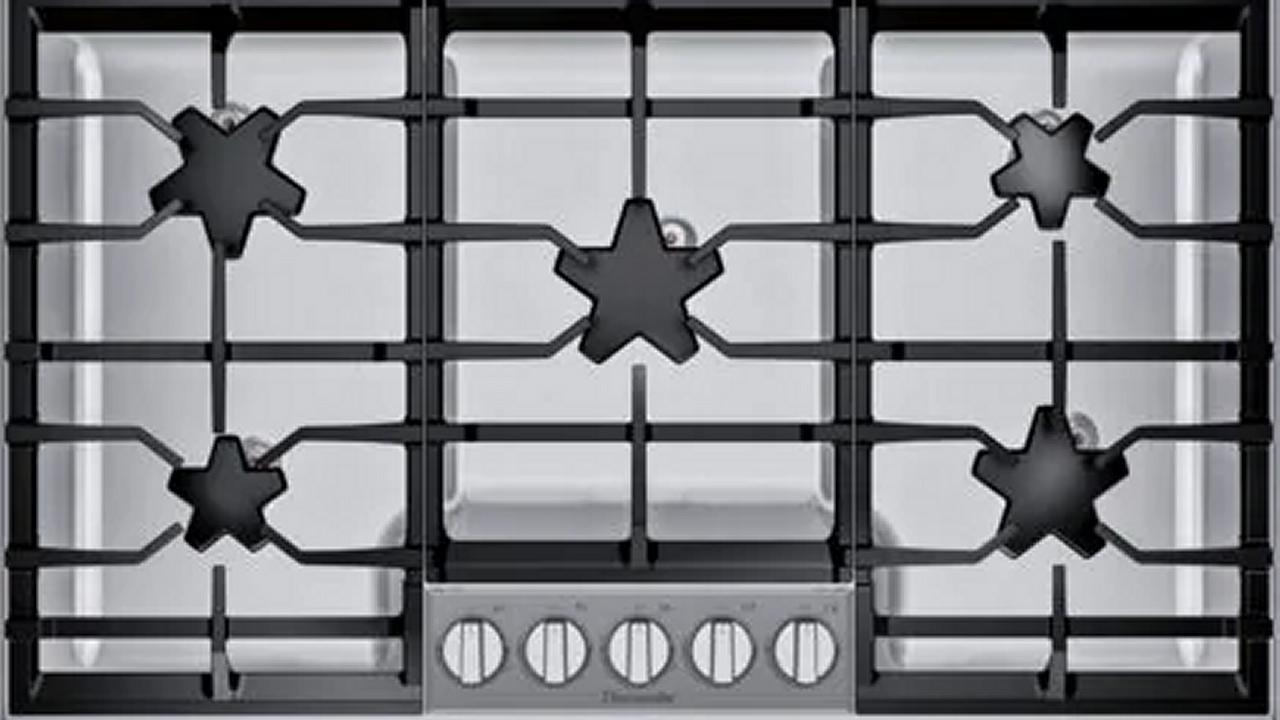
Thermador Cooktop & Custom Insert Advice
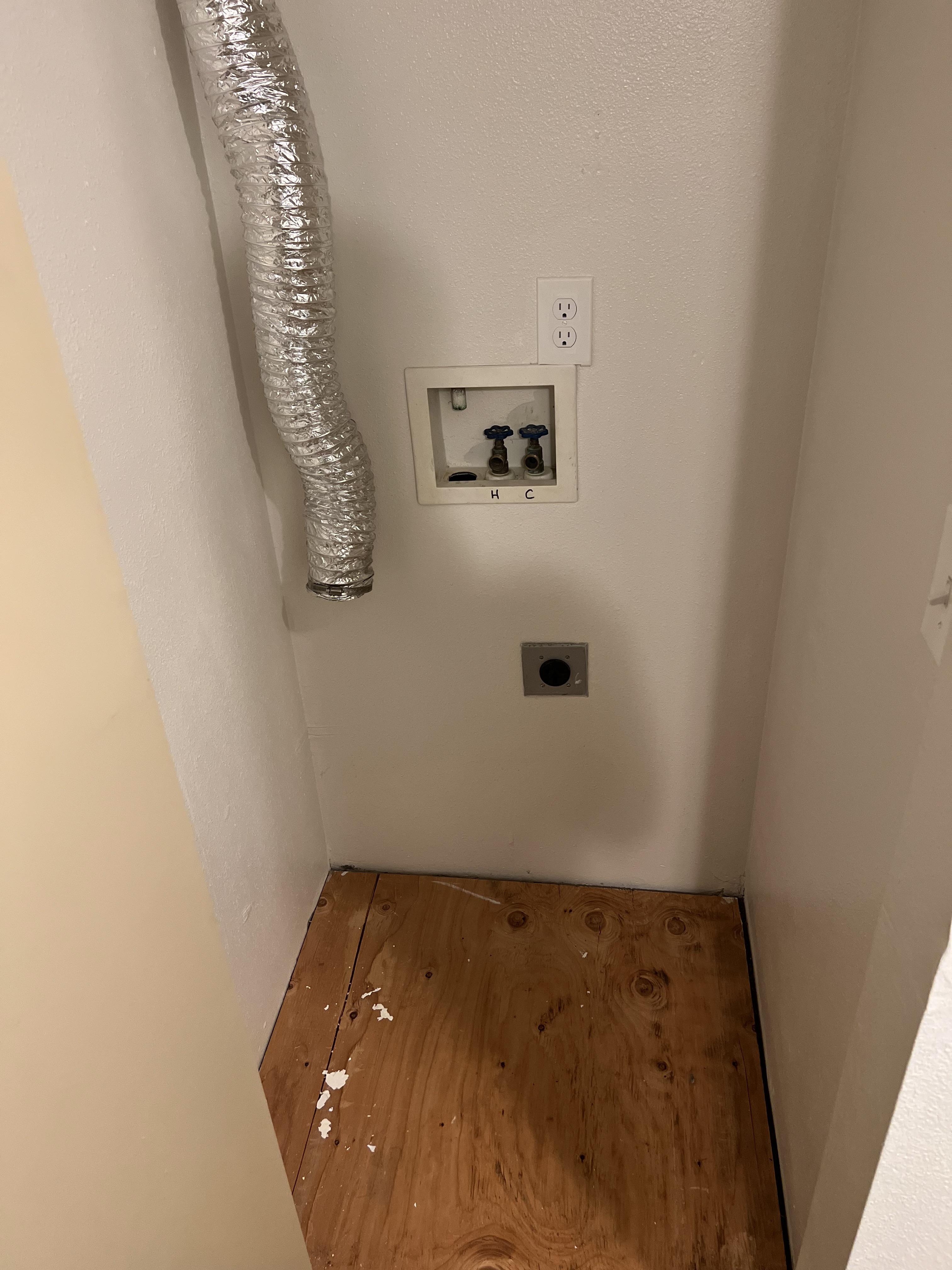
Help! Is this gas or electric hookup ??
GE Announces Plans To Expand Distribution Network In South Carolina

Fridge leaking water excessively

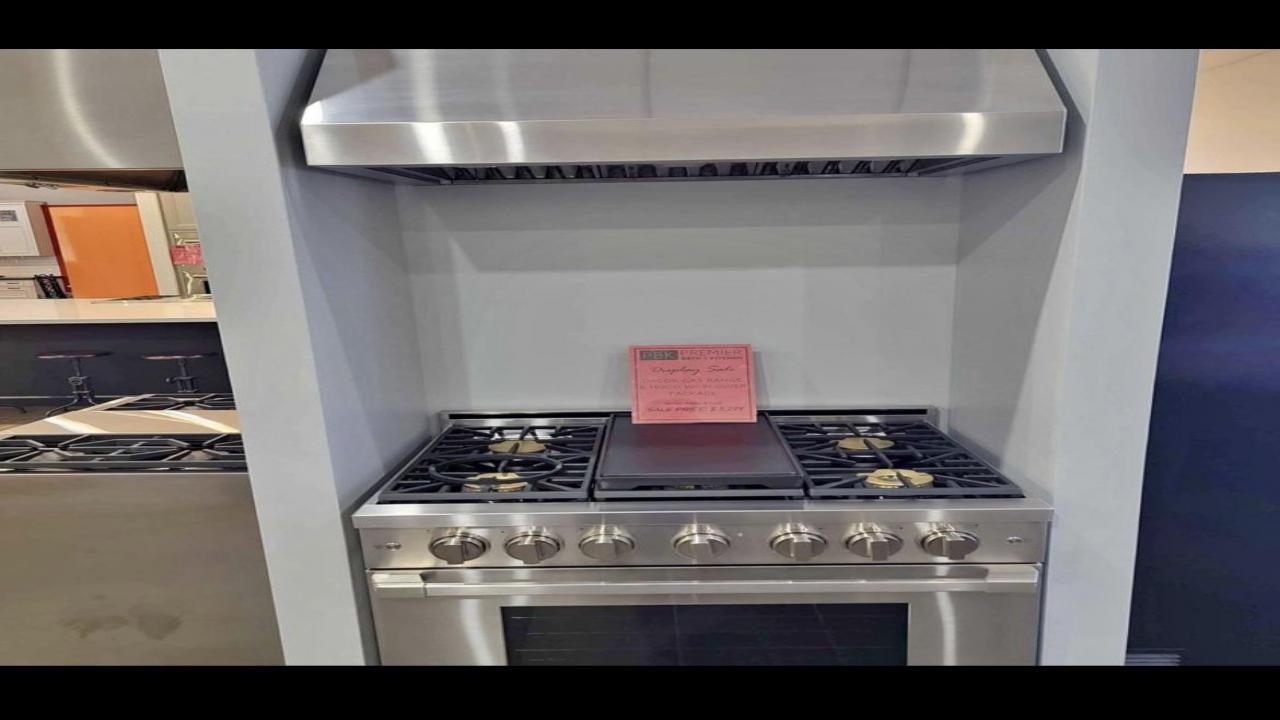
We need a replacement range asap I saw this in a local store
Washing Machine Making Weird Noises

When people are looking for new appliances, why do you post here?

What are the signs that indicate my oven needs repair?