

Appliance Types
- Air Conditioner
- Automobile
- Chainsaw
- Circular Saw
- Dishwasher
- Drills
- Dryer
- Drywall Screw Gun
- Furnace
- Gas Fireplace
- Gas Grill
- Gas Patio Heater
- Grinder
- Heat Pump
- Impact Driver
- Impact Wrench
- Microwave
- Nailer
- Orbital Sander
- Pool Heaters
- Powerwall
- Range
- Refrigerator
- Television
- Washer
- Water Heater
Appliance Brands
- A.O. Smith
- AccuCold
- Admiral Craft
- AGA
- Airrex
- Amana
- Ambiance
- American Range
- American Standard
- American Water Heaters
- Aquacal
- Armstrong
- Asko
- Avanti
- Avenlur
- Azure
- Beko
- Bellfires
- Bertazzoni
- Blackstone
- Blaze
- Blomberg
- BlueStar
- Bosch
- Bradford White
- Bromic
- Bryant
- Cafe
- Calcana
- Capital
- Carrier
- Char-Broil
- Char-Griller
- Chrysler
- Coates
- Coleman
- Comfortmaker
- Commercial Chef
- Continental
- Cosmo
- Cove
- Crown Verity
- Dacor
- Daikin
- Danby
- Danfoss
- DaVinci
- DCS
- Deco
- DeWALT
- Ducane
- Dyna-Glo
- Dyson
- EcoSmart
- Electrolux
- Element4
- Empava
- Equator
- Eurodib
- European Home
- Everdure
- Farberware
- Fhiaba
- FibroPool
- Fire Sense
- Fisher
- FiveStar
- Flare
- Flash Furniture
- Focus
- Ford
- Forno
- Forte
- Frigidaire
- Fulgor Milano
- Gaggenau
- GE
- General Motors
- GlowBrand
- Goodman
- Grundig
- GSW
- Haier
- Hayward
- Heatstar
- Heil
- Hestan
- Hisense
- Hitachi
- Hotpoint
- iio
- Ilve
- Impecca
- Ingignia
- Insignia
- JennAir
- John Wood
- Keeprite
- Kenmore
- Kenyon
- KitchenAid
- Kucht
- La Cornue
- Lennox
- LG
- Liebherr
- Lifetime
- Lion
- Luxaire
- Lynx
- Magic Chef
- Marvel
- Maytag
- McQuay
- MicroFridge
- Midea
- Miele
- Migali
- Monogram
- Montigo
- Mr Heater
- Napoleon
- Navien
- Nexgrill
- Noritz
- Panasonic
- Patio Comforts
- Payne
- Pentair
- Perlick
- PITT
- Premier
- Raypak
- Real Fyre
- Regency
- Reliance
- Rheem
- Rinnai
- Roma
- Ruud
- Saber
- Samsung
- Schwank
- Sharp
- Smeg
- Solas
- Sony
- Spartherm
- Speed Queen
- StaRite
- State Water Heaters
- Stiebel Eltron
- SubZero
- Summerset
- Summit
- SunGlo
- SunPak
- Sunpentown
- SunStar
- Superiore
- Takagi
- TCL
- TEC
- Tempstar
- Tesla
- Thermador
- Thor Kitchen
- Toshiba
- Town and Country
- Toyota
- Traeger
- Trane
- Twin Eagles
- U-Line
- Unique
- Vaillant Group
- Valor
- Verona
- Victory
- Viessmann
- Viking
- Vizio
- Weber
- Westinghouse
- Whirlpool
- Whynter
- York
- ZLINE
Article Categories
- Air Conditioners
- Appliance Care
- Appliance News
- Dishwasher News
- Drying Machines
- Furnaces
- Gas Fireplaces
- Microwaves
- Pool Heaters
- Refrigerators
- Stoves - Ranges
- Tips and Tricks
- Washing Machines
- Water Heaters
More Articles
Furnace Noises and What They Mean
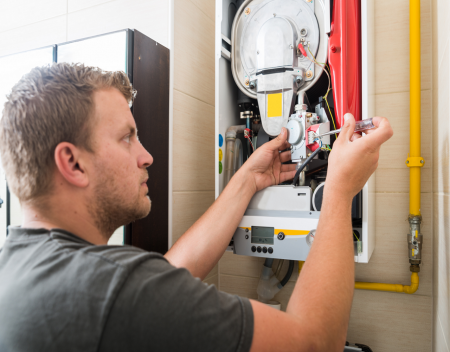
Background noise is a reality of modern living. From the buzz of your refrigerator’s compressor to the low hiss of your water heater, we hear many sounds around the home. We become so familiar with these household noises that a new or different noise from an appliance is the first sign that something’s going wrong for many of us. This is especially true regarding your heating and air conditioning systems! In this article, we’ll look at four everyday furnace noises and what they might mean for the health of your heating system. Remember that the only way to ensure your furnace’s issue is to book an expert inspection. These tips should help point you in the right direction and help you describe the problem to your HVAC professional, and decide if furnace repair is needed.
Furnace Makes a Whistling Sound
One of the most common unpleasant furnace noises is a whistling sound. Whistling furnaces can be shrill and be pretty loud or fairly subtle, depending on the type of furnace and the nature of the issue itself.
First, try to identify roughly where the sound is coming from. For example, if you hear whistling in one room but not in others, it may be a blockage or air leak in your air ducts or a partially closed air vent rather than an issue with the furnace itself. Sometimes, if a new furnace fan or furnace has been installed recently, the volume and velocity of the air blowing through your home’s air ducts will increase. Usually, this isn’t an issue, but in some cases, the increased air pressure can expose gaps in your home’s vents and create a whistling sound.
Problems With The Blower
The blower could also have a mechanical issue causing squeaking or whistling sounds.
If the whistling sound comes from the furnace and not from a vent or duct, the problem is usually an airflow issue, though it could also be a mechanical problem with the blower itself. As a furnace blows warm air throughout your home, the air passes through a filter into your ducts and out of your vents. A clogged or dirty filter may reduce airflow through your system and cause whistling noises as the air forces its way through the filter. Loose bolts or other fittings on the furnace may also cause a rattling or whistling noises.
One final possibility is that your furnace has a gas flow issue. A damaged or defective gas valve could be the culprit. Always leave gasfitting and valve repairs to a trained professional! Matters related to gas flow can be dangerous and should be inspected and fixed as quickly as possible.
Furnace Makes a Loud Buzzing or Humming Noise
While all furnaces generate some ambient noise, they run quiet enough not to be disruptive most of the time. However, loud buzzing or humming can indicate various mechanical or electrical problems, either when the furnace starts up or throughout its operation. The main culprit would be an issue with your blower fan motor. If the sound is loudest during startup, this is very likely the reason. The fan motor may die, or the electrical components powering the fan may be worn out or faulty.
If the issue is worn out or faulty electrical components cause the problem, the buzzing or humming noise will be loudest at startup and typically diminish or stop once the fan is up to speed. This is because the fan draws the most power and is under the most strain when it starts. Once it’s running, the power draw drops significantly, so the noise will typically decrease as well. If it’s a blower fan issue, the noisiness may or may not improve after startup.
Replacing electrical components like a capacitor or transformer is relatively easy. A service technician can quickly diagnose and replace faulty parts on the first visit. On the other hand, replacing a blower fan is a more active job that requires removing the existing fan and rewiring the replacement.
Furnace Makes a Banging or Booming Noise
Sometimes it’s hard to tell if a furnace is running louder than it should. If your furnace is making banging or booming noises, you’ll probably figure out pretty quickly that something’s wrong!
One cause for banging and booming furnace noises concerns your home’s air ducts. Like whistling ducts, air pressure problems may cause banging noises in your home. If your air ducts are undersized for the furnace or you have a clogged filter, the air pressure may be too extreme and cause the metal ducts to expand and contract, causing occasional loud bangs as the metal pops in and out of place. This is an annoying problem and may reduce the longevity of your system. Still, it’s not particularly dangerous to you or your family.
Other Causes Of Furnace Noises
The second cause for banging or booming noises is more dangerous. If the noise source is the furnace itself and the noise occurs when the system starts (or shortly after), it may be called a delayed gas ignition. Delayed gas ignitions happen when the gas-to-air ratio is poor (either too much gas or too much air in the mix) or the ignition is otherwise delayed by a faulty, worn-out, or dirty component. Delayed gas ignitions can be dangerous for you and your furnace.
Essentially, each banging noise from your furnace results from an explosion. The gas cannot ignite until the gas-to-air ratio is within a specific range. A delayed ignition means that gas has had time to build up. Once it finally ignites, the excess gas burns very quickly, causing a small explosion. It’s like when you light a grill after the propane has been running for a few seconds.
Delayed gas ignitions risk damaging your heat exchanger, which can be very costly to repair or replace. In addition, anything to do with gas flow issues is a safety risk and must be dealt with immediately! Fortunately, you can avoid these issues (and save yourself an enormous repair bill) by scheduling annual furnace maintenance appointments. Our annual maintenance plan will extend your HVAC system’s lifespan and prevent potentially dangerous issues like delayed gas ignitions.
Furnace Makes a Gurgling, Dripping, or Splashing Noise
This one might seem counterintuitive. How can a fiery gas furnace make watery noises? In most cases, these noises come from newer, high-efficiency furnaces. The high-efficiency furnaces vent exhaust fumes may produce condensation from moisture in the air that must be drained. When there’s an issue in draining this condensation, it may cause gurgling, dripping, or other watery sounds. Usually, these noises are easy enough to sort out. A full or clogged drain pan or a blockage in the drainpipe itself may be the culprit.
If you hear water sounds coming from vents or air ducts instead of the furnace itself, this could indicate a more serious moisture problem in your home. Inspect the issue immediately, as moisture can cause severe issues like widespread mold growth or even structural damage to your home.
Conclusion
Noise can tell you a lot about what’s going on with your furnace. (Furnace smells can give you a clue too!) Use the tips above to get a sense of what the issue might be. If you’re worried, call a professional.
Source: Re-posted and Summarized from Swan Heating.
Background noise is a reality of modern living. From the buzz of your refrigerator’s compressor to the low hiss of your water heater, we hear many sounds around the home. We become so familiar with these household noises that a new or different noise from an appliance is the first sign that something’s going wrong for many of us. This is especially true regarding your heating and air conditioning systems! In this article, we’ll look at four everyday furnace noises and what they might mean for the health of your heating system. Remember that the only way to ensure your furnace’s issue is to book an expert inspection. These tips should help point you in the right direction and help you describe the problem to your HVAC professional, and decide if furnace repair is needed.
Furnace Makes a Whistling Sound
One of the most common unpleasant furnace noises is a whistling sound. Whistling furnaces can be shrill and be pretty loud or fairly subtle, depending on the type of furnace and the nature of the issue itself.
First, try to identify roughly where the sound is coming from. For example, if you hear whistling in one room but not in others, it may be a blockage or air leak in your air ducts or a partially closed air vent rather than an issue with the furnace itself. Sometimes, if a new furnace fan or furnace has been installed recently, the volume and velocity of the air blowing through your home’s air ducts will increase. Usually, this isn’t an issue, but in some cases, the increased air pressure can expose gaps in your home’s vents and create a whistling sound.
Problems With The Blower
The blower could also have a mechanical issue causing squeaking or whistling sounds.
If the whistling sound comes from the furnace and not from a vent or duct, the problem is usually an airflow issue, though it could also be a mechanical problem with the blower itself. As a furnace blows warm air throughout your home, the air passes through a filter into your ducts and out of your vents. A clogged or dirty filter may reduce airflow through your system and cause whistling noises as the air forces its way through the filter. Loose bolts or other fittings on the furnace may also cause a rattling or whistling noises.
One final possibility is that your furnace has a gas flow issue. A damaged or defective gas valve could be the culprit. Always leave gasfitting and valve repairs to a trained professional! Matters related to gas flow can be dangerous and should be inspected and fixed as quickly as possible.
Furnace Makes a Loud Buzzing or Humming Noise
While all furnaces generate some ambient noise, they run quiet enough not to be disruptive most of the time. However, loud buzzing or humming can indicate various mechanical or electrical problems, either when the furnace starts up or throughout its operation. The main culprit would be an issue with your blower fan motor. If the sound is loudest during startup, this is very likely the reason. The fan motor may die, or the electrical components powering the fan may be worn out or faulty.
If the issue is worn out or faulty electrical components cause the problem, the buzzing or humming noise will be loudest at startup and typically diminish or stop once the fan is up to speed. This is because the fan draws the most power and is under the most strain when it starts. Once it’s running, the power draw drops significantly, so the noise will typically decrease as well. If it’s a blower fan issue, the noisiness may or may not improve after startup.
Replacing electrical components like a capacitor or transformer is relatively easy. A service technician can quickly diagnose and replace faulty parts on the first visit. On the other hand, replacing a blower fan is a more active job that requires removing the existing fan and rewiring the replacement.
Furnace Makes a Banging or Booming Noise
Sometimes it’s hard to tell if a furnace is running louder than it should. If your furnace is making banging or booming noises, you’ll probably figure out pretty quickly that something’s wrong!
One cause for banging and booming furnace noises concerns your home’s air ducts. Like whistling ducts, air pressure problems may cause banging noises in your home. If your air ducts are undersized for the furnace or you have a clogged filter, the air pressure may be too extreme and cause the metal ducts to expand and contract, causing occasional loud bangs as the metal pops in and out of place. This is an annoying problem and may reduce the longevity of your system. Still, it’s not particularly dangerous to you or your family.
Other Causes Of Furnace Noises
The second cause for banging or booming noises is more dangerous. If the noise source is the furnace itself and the noise occurs when the system starts (or shortly after), it may be called a delayed gas ignition. Delayed gas ignitions happen when the gas-to-air ratio is poor (either too much gas or too much air in the mix) or the ignition is otherwise delayed by a faulty, worn-out, or dirty component. Delayed gas ignitions can be dangerous for you and your furnace.
Essentially, each banging noise from your furnace results from an explosion. The gas cannot ignite until the gas-to-air ratio is within a specific range. A delayed ignition means that gas has had time to build up. Once it finally ignites, the excess gas burns very quickly, causing a small explosion. It’s like when you light a grill after the propane has been running for a few seconds.
Delayed gas ignitions risk damaging your heat exchanger, which can be very costly to repair or replace. In addition, anything to do with gas flow issues is a safety risk and must be dealt with immediately! Fortunately, you can avoid these issues (and save yourself an enormous repair bill) by scheduling annual furnace maintenance appointments. Our annual maintenance plan will extend your HVAC system’s lifespan and prevent potentially dangerous issues like delayed gas ignitions.
Furnace Makes a Gurgling, Dripping, or Splashing Noise
This one might seem counterintuitive. How can a fiery gas furnace make watery noises? In most cases, these noises come from newer, high-efficiency furnaces. The high-efficiency furnaces vent exhaust fumes may produce condensation from moisture in the air that must be drained. When there’s an issue in draining this condensation, it may cause gurgling, dripping, or other watery sounds. Usually, these noises are easy enough to sort out. A full or clogged drain pan or a blockage in the drainpipe itself may be the culprit.
If you hear water sounds coming from vents or air ducts instead of the furnace itself, this could indicate a more serious moisture problem in your home. Inspect the issue immediately, as moisture can cause severe issues like widespread mold growth or even structural damage to your home.
Conclusion
Noise can tell you a lot about what’s going on with your furnace. (Furnace smells can give you a clue too!) Use the tips above to get a sense of what the issue might be. If you’re worried, call a professional.
Source: Re-posted and Summarized from Swan Heating.
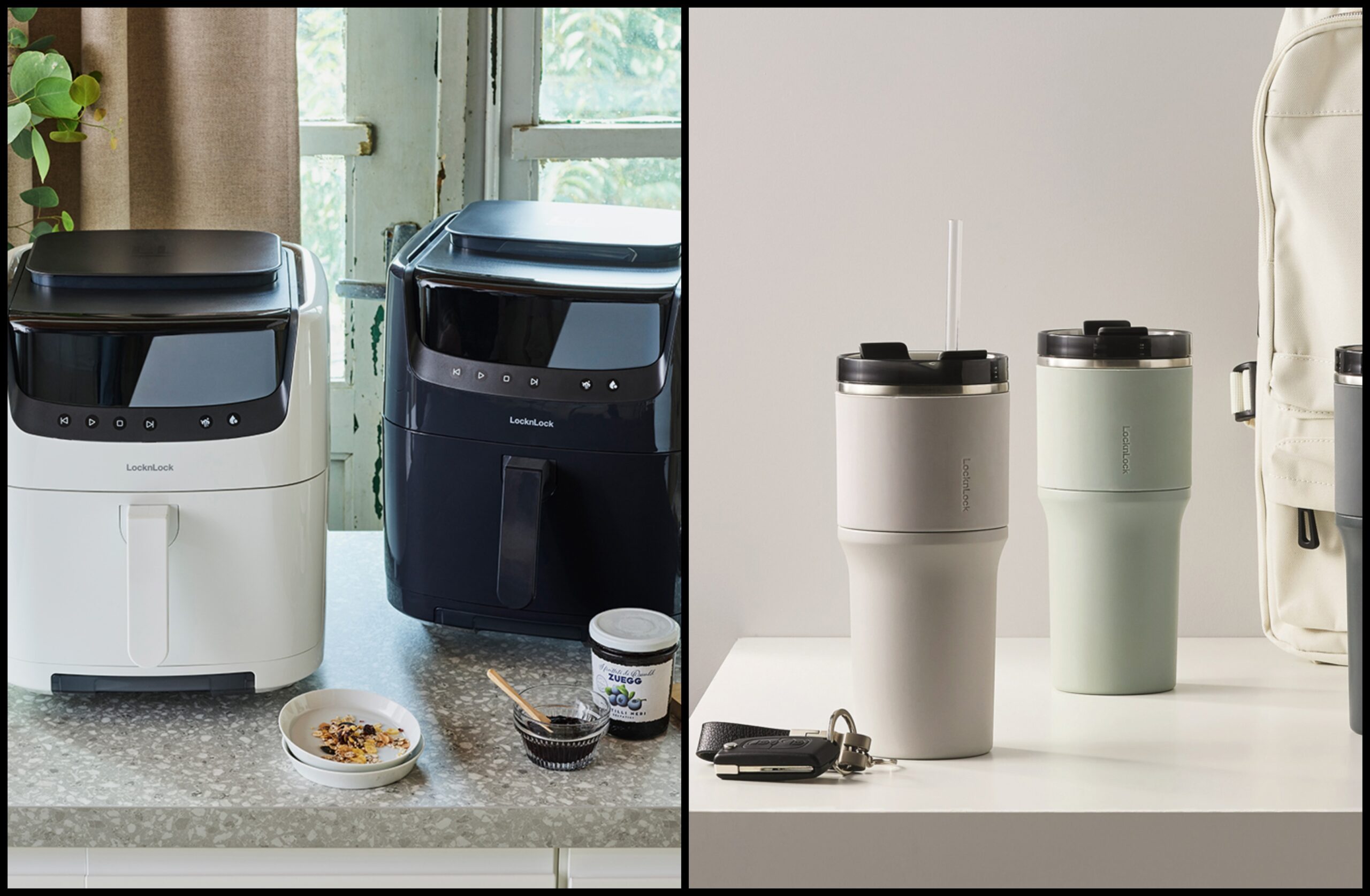
Tuya Smart and Lock & Lock collaborate on new smart appliances
Washing machine door gasket leaking but it’s clean and has no holes
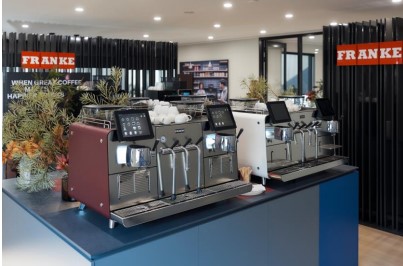
Franke Coffee Systems introduced Mytico to Australia
Why is my dryer running but not heating?

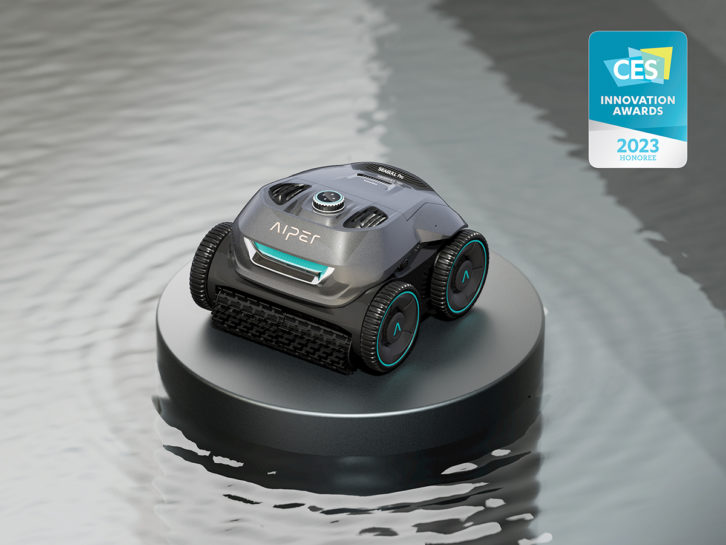
Aiper Features New Seagull Series Robotic Pool Cleaners

The WineCooler V4000 90 by V-Zug