

Appliance Types
- Air Conditioner
- Automobile
- Chainsaw
- Circular Saw
- Dishwasher
- Drills
- Dryer
- Drywall Screw Gun
- Furnace
- Gas Fireplace
- Gas Grill
- Gas Patio Heater
- Grinder
- Heat Pump
- Impact Driver
- Impact Wrench
- Microwave
- Nailer
- Orbital Sander
- Pool Heaters
- Powerwall
- Range
- Refrigerator
- Television
- Washer
- Water Heater
Appliance Brands
- A.O. Smith
- AccuCold
- Admiral Craft
- AGA
- Airrex
- Amana
- Ambiance
- American Range
- American Standard
- American Water Heaters
- Aquacal
- Armstrong
- Asko
- Avanti
- Avenlur
- Azure
- Beko
- Bellfires
- Bertazzoni
- Blackstone
- Blaze
- Blomberg
- BlueStar
- Bosch
- Bradford White
- Bromic
- Bryant
- Cafe
- Calcana
- Capital
- Carrier
- Char-Broil
- Char-Griller
- Chrysler
- Coates
- Coleman
- Comfortmaker
- Commercial Chef
- Continental
- Cosmo
- Cove
- Crown Verity
- Dacor
- Daikin
- Danby
- Danfoss
- DaVinci
- DCS
- Deco
- DeWALT
- Ducane
- Dyna-Glo
- Dyson
- EcoSmart
- Electrolux
- Element4
- Empava
- Equator
- Eurodib
- European Home
- Everdure
- Farberware
- Fhiaba
- FibroPool
- Fire Sense
- Fisher
- FiveStar
- Flare
- Flash Furniture
- Focus
- Ford
- Forno
- Forte
- Frigidaire
- Fulgor Milano
- Gaggenau
- GE
- General Motors
- GlowBrand
- Goodman
- Grundig
- GSW
- Haier
- Hayward
- Heatstar
- Heil
- Hestan
- Hisense
- Hitachi
- Hotpoint
- iio
- Ilve
- Impecca
- Ingignia
- Insignia
- JennAir
- John Wood
- Keeprite
- Kenmore
- Kenyon
- KitchenAid
- Kucht
- La Cornue
- Lennox
- LG
- Liebherr
- Lifetime
- Lion
- Luxaire
- Lynx
- Magic Chef
- Marvel
- Maytag
- McQuay
- MicroFridge
- Midea
- Miele
- Migali
- Monogram
- Montigo
- Mr Heater
- Napoleon
- Navien
- Nexgrill
- Noritz
- Panasonic
- Patio Comforts
- Payne
- Pentair
- Perlick
- PITT
- Premier
- Raypak
- Real Fyre
- Regency
- Reliance
- Rheem
- Rinnai
- Roma
- Ruud
- Saber
- Samsung
- Schwank
- Sharp
- Smeg
- Solas
- Sony
- Spartherm
- Speed Queen
- StaRite
- State Water Heaters
- Stiebel Eltron
- SubZero
- Summerset
- Summit
- SunGlo
- SunPak
- Sunpentown
- SunStar
- Superiore
- Takagi
- TCL
- TEC
- Tempstar
- Tesla
- Thermador
- Thor Kitchen
- Toshiba
- Town and Country
- Toyota
- Traeger
- Trane
- Twin Eagles
- U-Line
- Unique
- Vaillant Group
- Valor
- Verona
- Victory
- Viessmann
- Viking
- Vizio
- Weber
- Westinghouse
- Whirlpool
- Whynter
- York
- ZLINE
Article Categories
- Air Conditioners
- Appliance Care
- Appliance News
- Dishwasher News
- Drying Machines
- Furnaces
- Gas Fireplaces
- Microwaves
- Pool Heaters
- Refrigerators
- Stoves - Ranges
- Tips and Tricks
- Washing Machines
- Water Heaters
More Articles
How to Buy an Induction Range
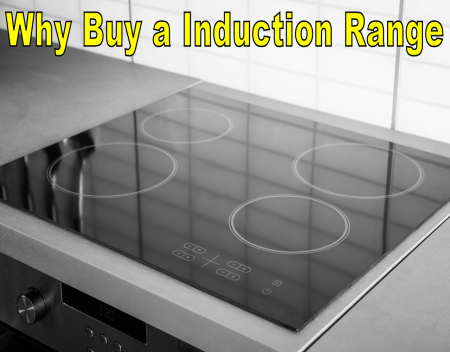
Induction ranges have been touted as the best cooking product you can buy. The technology is the best, better than electric and gas cooking in almost every case.
But is induction better for you?
Induction isn't for everyone. Many people can't buy induction. You don't want to find out you can't use an induction range when you're installing it.
I will also show you the many reasons to consider a gas range and a few reasons not to.
In induction, the pan cooks the food by passing the glass.
Let me explain: Induction uses magnetic heat. The magnets excite the metal of your cookware with the pan cooking your food. That's my definition.
Carbon Switch, an online platform for guides and reviews on sustainable living, defines it more technically.
"Beneath each zone of a smooth ceramic-glass induction cooktop lies a coiled copper wire. When you turn on a burner, an alternating electric current darts back and forth through the coil, oscillating dozens of times a second to create a magnetic field.
If that field hits a material that resists its flow, the base of your favorite cast-iron skillet, it induces swirling electric flows called eddy currents, which generate heat in the resistant metal.
Your induction stovetop will no longer create heat if you lift the pan, breaking the molecular connection. Each burner on an induction stove has a sensor that recognizes the metal's temperature and adjusts accordingly."
That's why induction cooktops only work with pots and pans made of ferromagnetic materials, like iron and steel.
One way you can test this is by using a magnet. If the magnet stick to your pot, you can use the pot on an induction stovetop.
Why Induction May Be the Right Choice
Speed
Induction is efficient and fast. It's faster than the fastest pro range at 25 to 30,000 BTU (British Thermal Unit). Induction is the "newest" cooking technology introduced in the 1980s.
Gas ranges haven't changed that much since the 1930s. However, gas burners have a higher output than induction, but you lose nearly 40% of that heat while cooking.
Simmer
Induction stovetops have an instant simmer. In the example above, I had to wait for the element and the glass to cool. Induction bypasses the glass to provide an instant simmer.
Cleanability
Food doesn't bake on the cooktop because the glass doesn't heat. Thus, cleaning is much easier. It's much easier than a sealed gas burner because that, too, is tough to clean.
Pro Tip: Our previous chef used a splat mat between the pot and glass, making it simple to clean. The rubber mat doesn't heat, and she always just cleaned it off at the sink.
However, you must be careful if you're cooking for longer periods because the mat picks up the residual heat from the pot.
Easier to Vent
Induction requires less venting because you have less heat escaping from the burners, like a gas range.
It might not seem like a big deal, but Massachusetts has Make-Up Air Laws stating any vent over 410 CFM (Cubic Feet Per Minute) needs fresh air to return.
You can buy a 36-inch pro range in induction or even with sous vide and still be within 400 CFM.
You can't properly vent an equivalent gas range at 400 CFM. It would have to be at least 600 CFM.
Better for the Environment and Indoor Air
We have written articles about gas cooking and the number of toxic gases generated while cooking, such as Carbon Monoxide, Formaldehyde, Nitrous Oxide, and Carbon Dioxide.
Along with better-built homes and higher BTU ranges, your indoor air is probably worse than outside. If you cook often, it could be a lot worse.
Then you have numerous gas leaks throughout the system and perhaps in your house, so environmentally induction is a better option for your house and the planet.
Induction is a much cleaner power source than gas, with much less toxicity than a gas stovetop.
Zero Waste Chef, an online recipe blog, had an interesting article and graphic describing how to reduce pollutants in your kitchen with induction cooking.
Safety
My five-year-old can easily turn on a gas or electric range, but not an induction range. It must sense metal to activate.
Similarly, it's hard for her to be burned on an induction stovetop. The glass only has residual warmth from the pan. For gas or electric ranges, scalding is much more of a concern.
When Induction Might Be the Wrong Choice
High Amperage Needed
Gas requires less than 12 amps, while induction requires up to 50 amps.
If you live in an older building or condo, you may not have the amperage you need to power your induction range.
At the very least, you will need a new electric line to the range and maybe a new panel and service.
Cost
An induction range will cost more than the equivalent gas range and far more than an electric range.
Reliability
Gas ranges are 6.4% more reliable versus 9.6% for induction ranges. Much of the service for induction is electrical spikes shorting out the ranges.
Power Outages
You can light a gas range during a power outage. You cannot start an induction range during a power outage.
You Are Used to Gas
You see the gas when it's on. You want to toss the pan with the food up like a restaurant. You can do that with gas. In induction, the unit will shut off when the magnets do not sense metal.
Key Takeaways
First, you need to decide on several basic factors. What size do you need for an induction range, 30 or 36 inches?
Second pick the style, whether it's a front control, slide-in, or freestanding range.
Third, look at features: Do you want high output, a versatile stovetop, or a larger, more fully featured oven? Which will you use the most?
Lastly, you want to determine which one can be fixed quicker in your area.
If you have any questions, please leave them in the comments. We can certainly help with issues you may be facing.
Source: Re-posted and Summarized from Steve Sheinkopf at the yale appliance.
Induction ranges have been touted as the best cooking product you can buy. The technology is the best, better than electric and gas cooking in almost every case.
But is induction better for you?
Induction isn't for everyone. Many people can't buy induction. You don't want to find out you can't use an induction range when you're installing it.
I will also show you the many reasons to consider a gas range and a few reasons not to.
In induction, the pan cooks the food by passing the glass.
Let me explain: Induction uses magnetic heat. The magnets excite the metal of your cookware with the pan cooking your food. That's my definition.
Carbon Switch, an online platform for guides and reviews on sustainable living, defines it more technically.
"Beneath each zone of a smooth ceramic-glass induction cooktop lies a coiled copper wire. When you turn on a burner, an alternating electric current darts back and forth through the coil, oscillating dozens of times a second to create a magnetic field.
If that field hits a material that resists its flow, the base of your favorite cast-iron skillet, it induces swirling electric flows called eddy currents, which generate heat in the resistant metal.
Your induction stovetop will no longer create heat if you lift the pan, breaking the molecular connection. Each burner on an induction stove has a sensor that recognizes the metal's temperature and adjusts accordingly."
That's why induction cooktops only work with pots and pans made of ferromagnetic materials, like iron and steel.
One way you can test this is by using a magnet. If the magnet stick to your pot, you can use the pot on an induction stovetop.
Why Induction May Be the Right Choice
Speed
Induction is efficient and fast. It's faster than the fastest pro range at 25 to 30,000 BTU (British Thermal Unit). Induction is the "newest" cooking technology introduced in the 1980s.
Gas ranges haven't changed that much since the 1930s. However, gas burners have a higher output than induction, but you lose nearly 40% of that heat while cooking.
Simmer
Induction stovetops have an instant simmer. In the example above, I had to wait for the element and the glass to cool. Induction bypasses the glass to provide an instant simmer.
Cleanability
Food doesn't bake on the cooktop because the glass doesn't heat. Thus, cleaning is much easier. It's much easier than a sealed gas burner because that, too, is tough to clean.
Pro Tip: Our previous chef used a splat mat between the pot and glass, making it simple to clean. The rubber mat doesn't heat, and she always just cleaned it off at the sink.
However, you must be careful if you're cooking for longer periods because the mat picks up the residual heat from the pot.
Easier to Vent
Induction requires less venting because you have less heat escaping from the burners, like a gas range.
It might not seem like a big deal, but Massachusetts has Make-Up Air Laws stating any vent over 410 CFM (Cubic Feet Per Minute) needs fresh air to return.
You can buy a 36-inch pro range in induction or even with sous vide and still be within 400 CFM.
You can't properly vent an equivalent gas range at 400 CFM. It would have to be at least 600 CFM.
Better for the Environment and Indoor Air
We have written articles about gas cooking and the number of toxic gases generated while cooking, such as Carbon Monoxide, Formaldehyde, Nitrous Oxide, and Carbon Dioxide.
Along with better-built homes and higher BTU ranges, your indoor air is probably worse than outside. If you cook often, it could be a lot worse.
Then you have numerous gas leaks throughout the system and perhaps in your house, so environmentally induction is a better option for your house and the planet.
Induction is a much cleaner power source than gas, with much less toxicity than a gas stovetop.
Zero Waste Chef, an online recipe blog, had an interesting article and graphic describing how to reduce pollutants in your kitchen with induction cooking.
Safety
My five-year-old can easily turn on a gas or electric range, but not an induction range. It must sense metal to activate.
Similarly, it's hard for her to be burned on an induction stovetop. The glass only has residual warmth from the pan. For gas or electric ranges, scalding is much more of a concern.
When Induction Might Be the Wrong Choice
High Amperage Needed
Gas requires less than 12 amps, while induction requires up to 50 amps.
If you live in an older building or condo, you may not have the amperage you need to power your induction range.
At the very least, you will need a new electric line to the range and maybe a new panel and service.
Cost
An induction range will cost more than the equivalent gas range and far more than an electric range.
Reliability
Gas ranges are 6.4% more reliable versus 9.6% for induction ranges. Much of the service for induction is electrical spikes shorting out the ranges.
Power Outages
You can light a gas range during a power outage. You cannot start an induction range during a power outage.
You Are Used to Gas
You see the gas when it's on. You want to toss the pan with the food up like a restaurant. You can do that with gas. In induction, the unit will shut off when the magnets do not sense metal.
Key Takeaways
First, you need to decide on several basic factors. What size do you need for an induction range, 30 or 36 inches?
Second pick the style, whether it's a front control, slide-in, or freestanding range.
Third, look at features: Do you want high output, a versatile stovetop, or a larger, more fully featured oven? Which will you use the most?
Lastly, you want to determine which one can be fixed quicker in your area.
If you have any questions, please leave them in the comments. We can certainly help with issues you may be facing.
Source: Re-posted and Summarized from Steve Sheinkopf at the yale appliance.
Panasonic new Slow Cooker is available in the MEA region
Whirlpool EMEA certified Top Employer Europe 2022

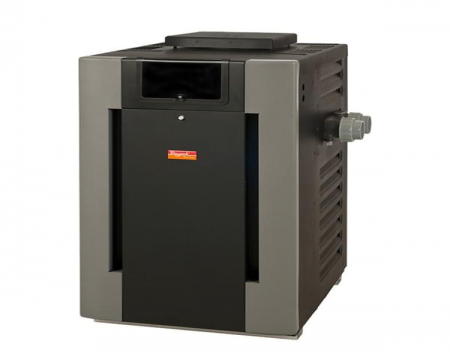
How to Troubleshoot a Pool Heater
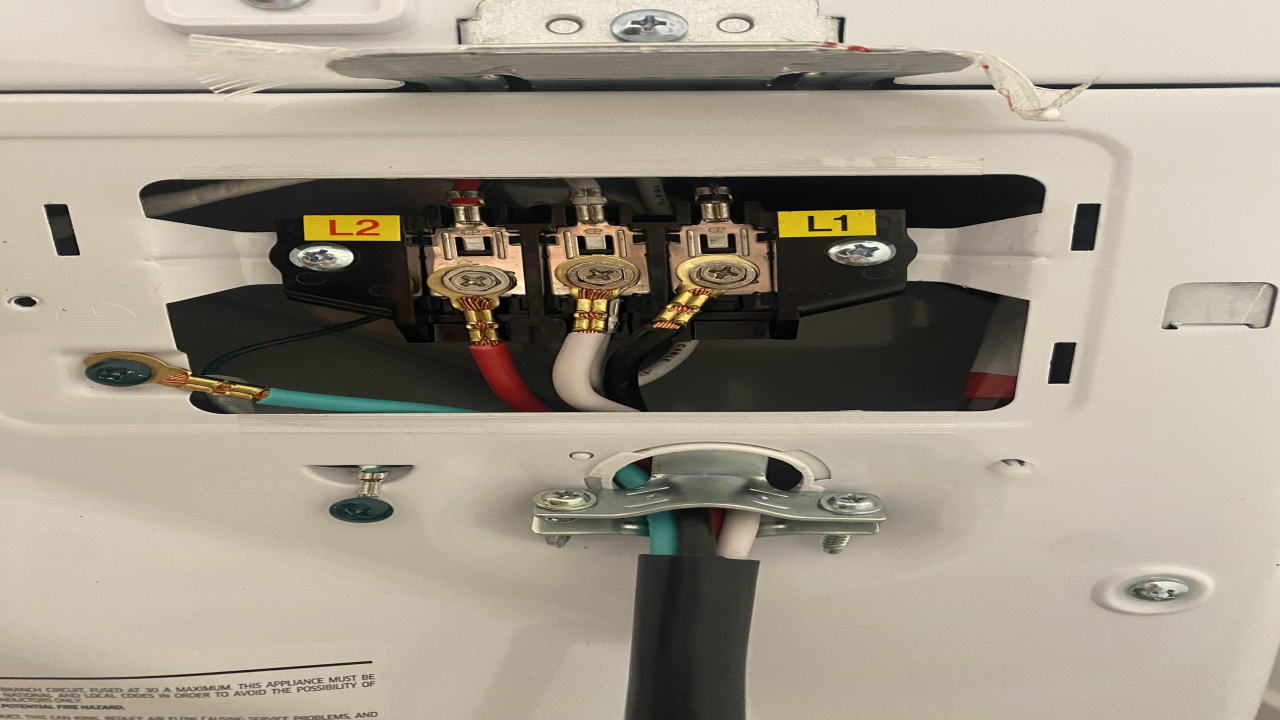
Did I do this right? Scared I might die if I plug it in
Hisense Pure Jet washing machines series: less allergen and easy ironing
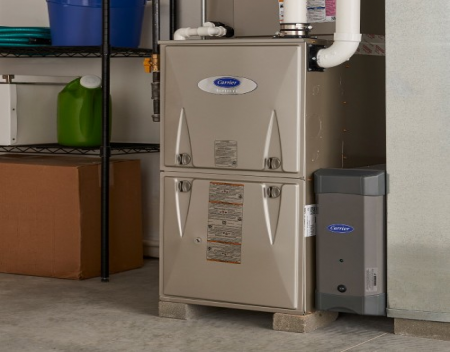
The Risks of a Poorly Maintained Gas Furnace
I get a $500 rebate if I buy 4 GE appliances but lose it if I start mixing and match with a Bosch di

The gfu innovation forum is back in 2022 focus on sustainability

Bertazzoni appliances received the Good Design Award