


Appliance Types
- Air Conditioner
- Automobile
- Chainsaw
- Circular Saw
- Dishwasher
- Drills
- Dryer
- Drywall Screw Gun
- Furnace
- Gas Fireplace
- Gas Grill
- Gas Patio Heater
- Grinder
- Heat Pump
- Impact Driver
- Impact Wrench
- Microwave
- Nailer
- Orbital Sander
- Pool Heaters
- Powerwall
- Range
- Refrigerator
- Television
- Washer
- Water Heater
Appliance Brands
- A.O. Smith
- AccuCold
- Admiral Craft
- AGA
- Airrex
- Amana
- Ambiance
- American Range
- American Standard
- American Water Heaters
- Aquacal
- Armstrong
- Asko
- Avanti
- Avenlur
- Azure
- Beko
- Bellfires
- Bertazzoni
- Blackstone
- Blaze
- Blomberg
- BlueStar
- Bosch
- Bradford White
- Bromic
- Bryant
- Cafe
- Calcana
- Capital
- Carrier
- Char-Broil
- Char-Griller
- Chrysler
- Coates
- Coleman
- Comfortmaker
- Commercial Chef
- Continental
- Cosmo
- Cove
- Crown Verity
- Dacor
- Daikin
- Danby
- Danfoss
- DaVinci
- DCS
- Deco
- DeWALT
- Ducane
- Dyna-Glo
- Dyson
- EcoSmart
- Electrolux
- Element4
- Empava
- Equator
- Eurodib
- European Home
- Everdure
- Farberware
- Fhiaba
- FibroPool
- Fire Sense
- Fisher
- FiveStar
- Flare
- Flash Furniture
- Focus
- Ford
- Forno
- Forte
- Frigidaire
- Fulgor Milano
- Gaggenau
- GE
- General Motors
- GlowBrand
- Goodman
- Grundig
- GSW
- Haier
- Hayward
- Heatstar
- Heil
- Hestan
- Hisense
- Hitachi
- Hotpoint
- iio
- Ilve
- Impecca
- Ingignia
- Insignia
- JennAir
- John Wood
- Keeprite
- Kenmore
- Kenyon
- KitchenAid
- Kucht
- La Cornue
- Lennox
- LG
- Liebherr
- Lifetime
- Lion
- Luxaire
- Lynx
- Magic Chef
- Marvel
- Maytag
- McQuay
- MicroFridge
- Midea
- Miele
- Migali
- Monogram
- Montigo
- Mr Heater
- Napoleon
- Navien
- Nexgrill
- Noritz
- Panasonic
- Patio Comforts
- Payne
- Pentair
- Perlick
- PITT
- Premier
- Raypak
- Real Fyre
- Regency
- Reliance
- Rheem
- Rinnai
- Roma
- Ruud
- Saber
- Samsung
- Schwank
- Sharp
- Smeg
- Solas
- Sony
- Spartherm
- Speed Queen
- StaRite
- State Water Heaters
- Stiebel Eltron
- SubZero
- Summerset
- Summit
- SunGlo
- SunPak
- Sunpentown
- SunStar
- Superiore
- Takagi
- TCL
- TEC
- Tempstar
- Tesla
- Thermador
- Thor Kitchen
- Toshiba
- Town and Country
- Toyota
- Traeger
- Trane
- Twin Eagles
- U-Line
- Unique
- Vaillant Group
- Valor
- Verona
- Victory
- Viessmann
- Viking
- Vizio
- Weber
- Westinghouse
- Whirlpool
- Whynter
- York
- ZLINE
Article Categories
- Air Conditioners
- Appliance Care
- Appliance News
- Dishwasher News
- Drying Machines
- Furnaces
- Gas Fireplaces
- Microwaves
- Pool Heaters
- Refrigerators
- Stoves - Ranges
- Tips and Tricks
- Washing Machines
- Water Heaters
More Articles
Kitchen Fire Safety
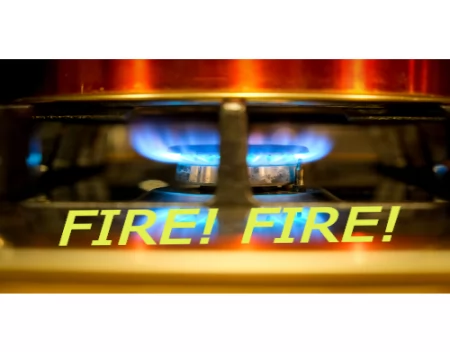
It’s no secret that cooking can be a demanding task. When you’re rushing around the kitchen, you probably don’t have a lot of time to settle down and think about fire safety. Roughly half of all house fires start in the kitchen, so you should know how to prevent and put out kitchen fires.
Preventing Fires
One of the most important parts of being in the kitchen is your ability to pay attention to what’s cooking. Kitchen fires usually start when you’re not paying attention, so you shouldn't get distracted by the TV or your phone while cooking.
It’s also important to keep your kitchen clean and free of anything that could potentially catch on fire, and make sure your oven is clear before preheating it. If you own a grill, the best place to put it is on cement, as a porch could easily catch fire.
Handling a Grease Fire
A grease fire is the most common type of fire that could happen in a kitchen. They most frequently start on the stove or in the oven. You need to be very careful when cooking with grease. Under any circumstances, do not try to put out a grease fire with water. Steam will form, causing the burning grease to splatter. This will spread the fire to anything in the vicinity that’s flammable, including your clothing.
To put out a grease fire, turn the stove off and cover the pan with a tight-fitting lid or baking sheet. If you don’t have any of these things on hand, do not pick up the pan because you are likely to burn yourself. Small grease fires can be put out by pouring baking soda on them. If the fire is too big for you to cover up, have a fire extinguisher ready. Fire extinguishers labeled K or ABC are designed to put out grease fires. Make sure you stand a few feet back when doing so.
Handling an Oven Fire
These are usually easier to handle than stovetop or grill fires. This is thanks to their air-tight space. To handle an oven fire, turn off your oven and keep the door closed. The fire will probably burn itself out since it can’t get any oxygen or heat. If the flames appear to be dissipating let it be. Once the oven has cooled down, make sure you clean it out since the leftover food debris on the oven racks or bottom is what causes these fires in the first place.
You need to have a working smoke detector in your home. An estimated 70% of all house fire-related deaths occur when someone doesn’t have a smoke detector or their detector doesn’t work.
It’s no secret that cooking can be a demanding task. When you’re rushing around the kitchen, you probably don’t have a lot of time to settle down and think about fire safety. Roughly half of all house fires start in the kitchen, so you should know how to prevent and put out kitchen fires.
Preventing Fires
One of the most important parts of being in the kitchen is your ability to pay attention to what’s cooking. Kitchen fires usually start when you’re not paying attention, so you shouldn't get distracted by the TV or your phone while cooking.
It’s also important to keep your kitchen clean and free of anything that could potentially catch on fire, and make sure your oven is clear before preheating it. If you own a grill, the best place to put it is on cement, as a porch could easily catch fire.
Handling a Grease Fire
A grease fire is the most common type of fire that could happen in a kitchen. They most frequently start on the stove or in the oven. You need to be very careful when cooking with grease. Under any circumstances, do not try to put out a grease fire with water. Steam will form, causing the burning grease to splatter. This will spread the fire to anything in the vicinity that’s flammable, including your clothing.
To put out a grease fire, turn the stove off and cover the pan with a tight-fitting lid or baking sheet. If you don’t have any of these things on hand, do not pick up the pan because you are likely to burn yourself. Small grease fires can be put out by pouring baking soda on them. If the fire is too big for you to cover up, have a fire extinguisher ready. Fire extinguishers labeled K or ABC are designed to put out grease fires. Make sure you stand a few feet back when doing so.
Handling an Oven Fire
These are usually easier to handle than stovetop or grill fires. This is thanks to their air-tight space. To handle an oven fire, turn off your oven and keep the door closed. The fire will probably burn itself out since it can’t get any oxygen or heat. If the flames appear to be dissipating let it be. Once the oven has cooled down, make sure you clean it out since the leftover food debris on the oven racks or bottom is what causes these fires in the first place.
You need to have a working smoke detector in your home. An estimated 70% of all house fire-related deaths occur when someone doesn’t have a smoke detector or their detector doesn’t work.
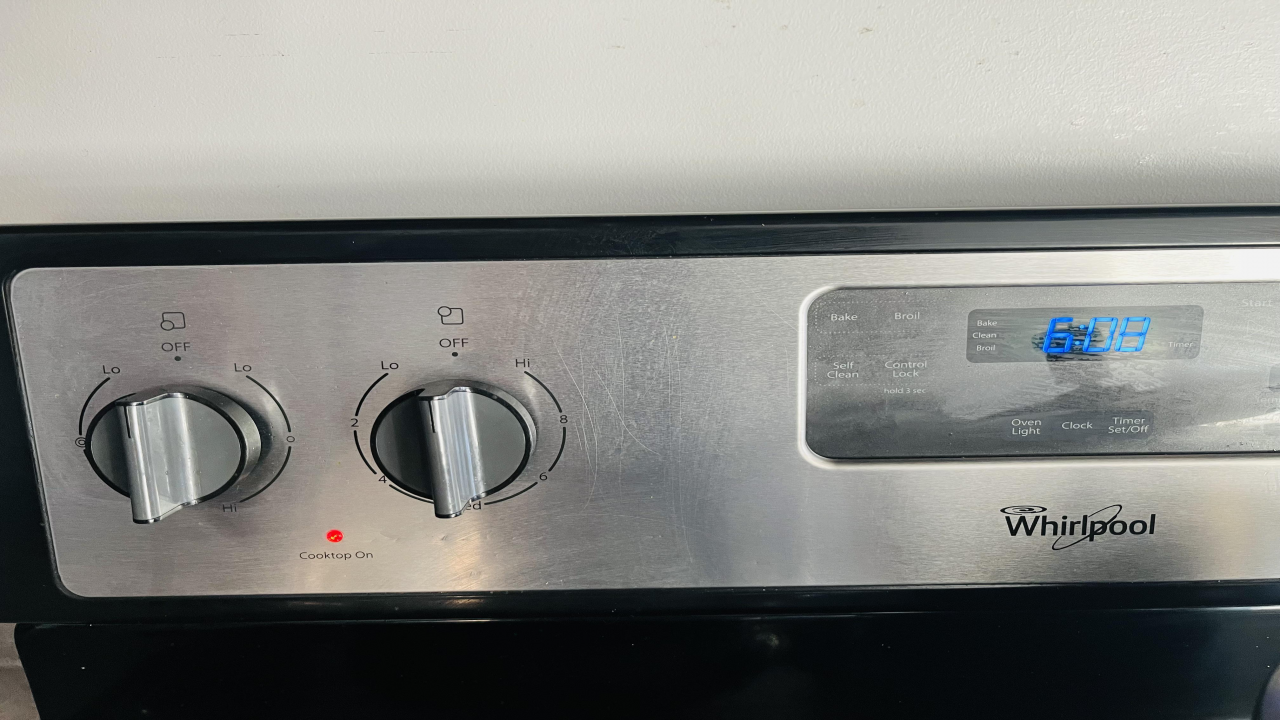
Whirlpool range cooktop light stays on
Dometic DrawBar novel wine cooling solution for homes with limited storage space

Tools that make the difference
Why is My Dishwasher Not Cleaning My Dishes?
How to Unblock My Dishwasher Pump?
Why is My Refrigerator Leaking Water?
Whats the Difference Between Electric, Gas, and Oil Heating Systems?
Samsung fridge freezer slider does not move
HEMIX report Q13 2023 Analysing the German home electronics market