

Appliance Types
- Air Conditioner
- Automobile
- Chainsaw
- Circular Saw
- Dishwasher
- Drills
- Dryer
- Drywall Screw Gun
- Furnace
- Gas Fireplace
- Gas Grill
- Gas Patio Heater
- Grinder
- Heat Pump
- Impact Driver
- Impact Wrench
- Microwave
- Nailer
- Orbital Sander
- Pool Heaters
- Powerwall
- Range
- Refrigerator
- Television
- Washer
- Water Heater
Appliance Brands
- A.O. Smith
- AccuCold
- Admiral Craft
- AGA
- Airrex
- Amana
- Ambiance
- American Range
- American Standard
- American Water Heaters
- Aquacal
- Armstrong
- Asko
- Avanti
- Avenlur
- Azure
- Beko
- Bellfires
- Bertazzoni
- Blackstone
- Blaze
- Blomberg
- BlueStar
- Bosch
- Bradford White
- Bromic
- Bryant
- Cafe
- Calcana
- Capital
- Carrier
- Char-Broil
- Char-Griller
- Chrysler
- Coates
- Coleman
- Comfortmaker
- Commercial Chef
- Continental
- Cosmo
- Cove
- Crown Verity
- Dacor
- Daikin
- Danby
- Danfoss
- DaVinci
- DCS
- Deco
- DeWALT
- Ducane
- Dyna-Glo
- Dyson
- EcoSmart
- Electrolux
- Element4
- Empava
- Equator
- Eurodib
- European Home
- Everdure
- Farberware
- Fhiaba
- FibroPool
- Fire Sense
- Fisher
- FiveStar
- Flare
- Flash Furniture
- Focus
- Ford
- Forno
- Forte
- Frigidaire
- Fulgor Milano
- Gaggenau
- GE
- General Motors
- GlowBrand
- Goodman
- Grundig
- GSW
- Haier
- Hayward
- Heatstar
- Heil
- Hestan
- Hisense
- Hitachi
- Hotpoint
- iio
- Ilve
- Impecca
- Ingignia
- Insignia
- JennAir
- John Wood
- Keeprite
- Kenmore
- Kenyon
- KitchenAid
- Kucht
- La Cornue
- Lennox
- LG
- Liebherr
- Lifetime
- Lion
- Luxaire
- Lynx
- Magic Chef
- Marvel
- Maytag
- McQuay
- MicroFridge
- Midea
- Miele
- Migali
- Monogram
- Montigo
- Mr Heater
- Napoleon
- Navien
- Nexgrill
- Noritz
- Panasonic
- Patio Comforts
- Payne
- Pentair
- Perlick
- PITT
- Premier
- Raypak
- Real Fyre
- Regency
- Reliance
- Rheem
- Rinnai
- Roma
- Ruud
- Saber
- Samsung
- Schwank
- Sharp
- Smeg
- Solas
- Sony
- Spartherm
- Speed Queen
- StaRite
- State Water Heaters
- Stiebel Eltron
- SubZero
- Summerset
- Summit
- SunGlo
- SunPak
- Sunpentown
- SunStar
- Superiore
- Takagi
- TCL
- TEC
- Tempstar
- Tesla
- Thermador
- Thor Kitchen
- Toshiba
- Town and Country
- Toyota
- Traeger
- Trane
- Twin Eagles
- U-Line
- Unique
- Vaillant Group
- Valor
- Verona
- Victory
- Viessmann
- Viking
- Vizio
- Weber
- Westinghouse
- Whirlpool
- Whynter
- York
- ZLINE
Article Categories
- Air Conditioners
- Appliance Care
- Appliance News
- Dishwasher News
- Drying Machines
- Furnaces
- Gas Fireplaces
- Microwaves
- Pool Heaters
- Refrigerators
- Stoves - Ranges
- Tips and Tricks
- Washing Machines
- Water Heaters
More Articles
What are the best practices for loading my dishwasher?
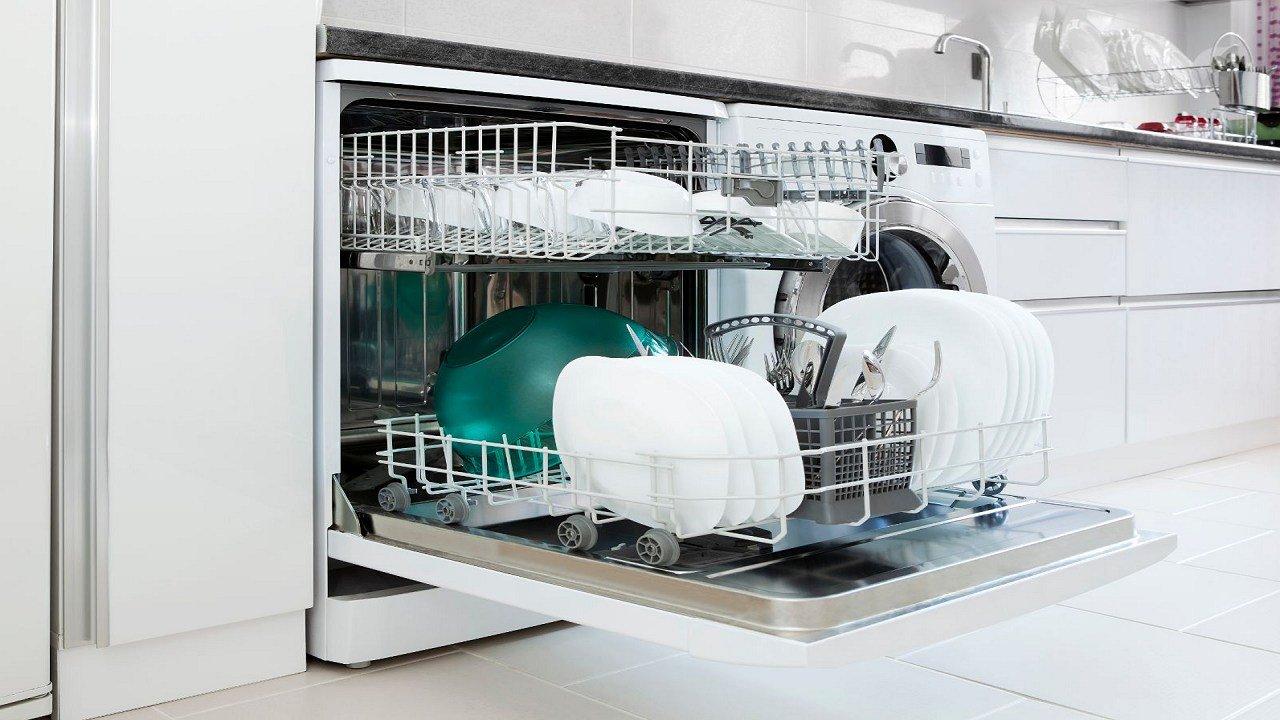
Loading your dishwasher correctly is essential to ensure efficient cleaning and to get the best results. Proper loading not only helps your dishes come out cleaner but also prevents damage to both your dishwasher and your dishes. Here are some best practices for loading your dishwasher effectively:
Pre-Rinse if Necessary:
Modern dishwashers are designed to handle dishes with food residue. Most of the time, pre-rinsing your dishes is unnecessary and wastes water. However, if you have dishes with heavy or dried-on food, consider giving them a quick rinse to remove the worst of the debris.
Scrape Food Debris:
Before loading, scrape off large food particles from dishes and utensils. You don't need to wash them thoroughly; just remove excess food.
Load Larger Items on the Bottom Rack:
Place larger and heavier items like pots, pans, and mixing bowls on the bottom rack. These items are typically closer to the dishwasher's spray arm, which provides better cleaning for them.
Face Dirtiest Surfaces Inward:
Position dishes and utensils with the dirtiest surfaces facing the center of the dishwasher, where the spray arm is located. This ensures that the most soiled areas receive direct water and detergent.
Don't Overcrowd:
Avoid overloading the dishwasher. Leave enough space between dishes and utensils to allow water and detergent to circulate freely. Overcrowding can lead to uneven cleaning.
Load Plates Vertically:
Place plates and bowls in the dishwasher vertically rather than stacking them. This allows water to reach all surfaces more effectively.
Use the Top Rack for Glasses and Cups:
Load glasses, cups, and delicate items on the top rack. Angle them downward to prevent water from pooling inside. Secure stemware on the prongs to prevent them from moving around.
Tilt Tupperware and Containers:
Tilt plastic containers and Tupperware to prevent water from collecting on flat surfaces, which can result in poor drying.
Face Silverware Up and Down:
Alternate the direction of silverware in the utensil basket, with some facing up and some facing down. This prevents nesting and ensures thorough cleaning.
Be Mindful of Dishwasher-Safe Labels: - Check for dishwasher-safe labels on your items. Some materials or coatings may not be suitable for dishwashers, so it's best to wash them by hand.
Use Dishwasher Detergent Wisely: - Use the appropriate amount of dishwasher detergent as recommended in your dishwasher's manual. Using too much detergent can lead to excess suds, while using too little can result in inadequate cleaning.
Regular Maintenance: - Keep your dishwasher clean by regularly cleaning the filter, spray arms, and door seals. A well-maintained dishwasher performs better.
Follow the Manufacturer's Instructions: - Always refer to your dishwasher's user manual for loading instructions and recommendations specific to your model.
By following these best practices, you can ensure that your dishwasher runs efficiently and effectively, leaving your dishes clean and ready to use. Proper loading also helps conserve water and energy, making your dishwasher more environmentally friendly.
Loading your dishwasher correctly is essential to ensure efficient cleaning and to get the best results. Proper loading not only helps your dishes come out cleaner but also prevents damage to both your dishwasher and your dishes. Here are some best practices for loading your dishwasher effectively:
Pre-Rinse if Necessary:
Modern dishwashers are designed to handle dishes with food residue. Most of the time, pre-rinsing your dishes is unnecessary and wastes water. However, if you have dishes with heavy or dried-on food, consider giving them a quick rinse to remove the worst of the debris.
Scrape Food Debris:
Before loading, scrape off large food particles from dishes and utensils. You don't need to wash them thoroughly; just remove excess food.
Load Larger Items on the Bottom Rack:
Place larger and heavier items like pots, pans, and mixing bowls on the bottom rack. These items are typically closer to the dishwasher's spray arm, which provides better cleaning for them.
Face Dirtiest Surfaces Inward:
Position dishes and utensils with the dirtiest surfaces facing the center of the dishwasher, where the spray arm is located. This ensures that the most soiled areas receive direct water and detergent.
Don't Overcrowd:
Avoid overloading the dishwasher. Leave enough space between dishes and utensils to allow water and detergent to circulate freely. Overcrowding can lead to uneven cleaning.
Load Plates Vertically:
Place plates and bowls in the dishwasher vertically rather than stacking them. This allows water to reach all surfaces more effectively.
Use the Top Rack for Glasses and Cups:
Load glasses, cups, and delicate items on the top rack. Angle them downward to prevent water from pooling inside. Secure stemware on the prongs to prevent them from moving around.
Tilt Tupperware and Containers:
Tilt plastic containers and Tupperware to prevent water from collecting on flat surfaces, which can result in poor drying.
Face Silverware Up and Down:
Alternate the direction of silverware in the utensil basket, with some facing up and some facing down. This prevents nesting and ensures thorough cleaning.
Be Mindful of Dishwasher-Safe Labels: - Check for dishwasher-safe labels on your items. Some materials or coatings may not be suitable for dishwashers, so it's best to wash them by hand.
Use Dishwasher Detergent Wisely: - Use the appropriate amount of dishwasher detergent as recommended in your dishwasher's manual. Using too much detergent can lead to excess suds, while using too little can result in inadequate cleaning.
Regular Maintenance: - Keep your dishwasher clean by regularly cleaning the filter, spray arms, and door seals. A well-maintained dishwasher performs better.
Follow the Manufacturer's Instructions: - Always refer to your dishwasher's user manual for loading instructions and recommendations specific to your model.
By following these best practices, you can ensure that your dishwasher runs efficiently and effectively, leaving your dishes clean and ready to use. Proper loading also helps conserve water and energy, making your dishwasher more environmentally friendly.
Why did my microwave stop working?

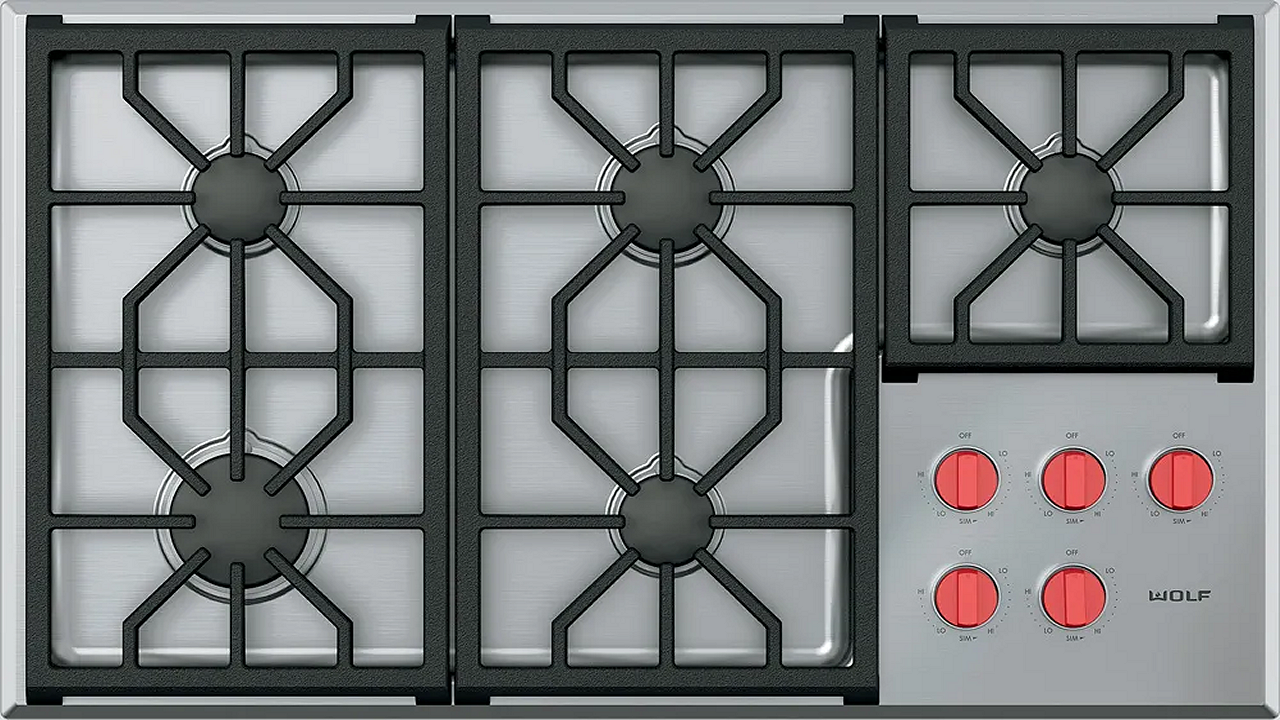
Have to return my new Wolf cooktop
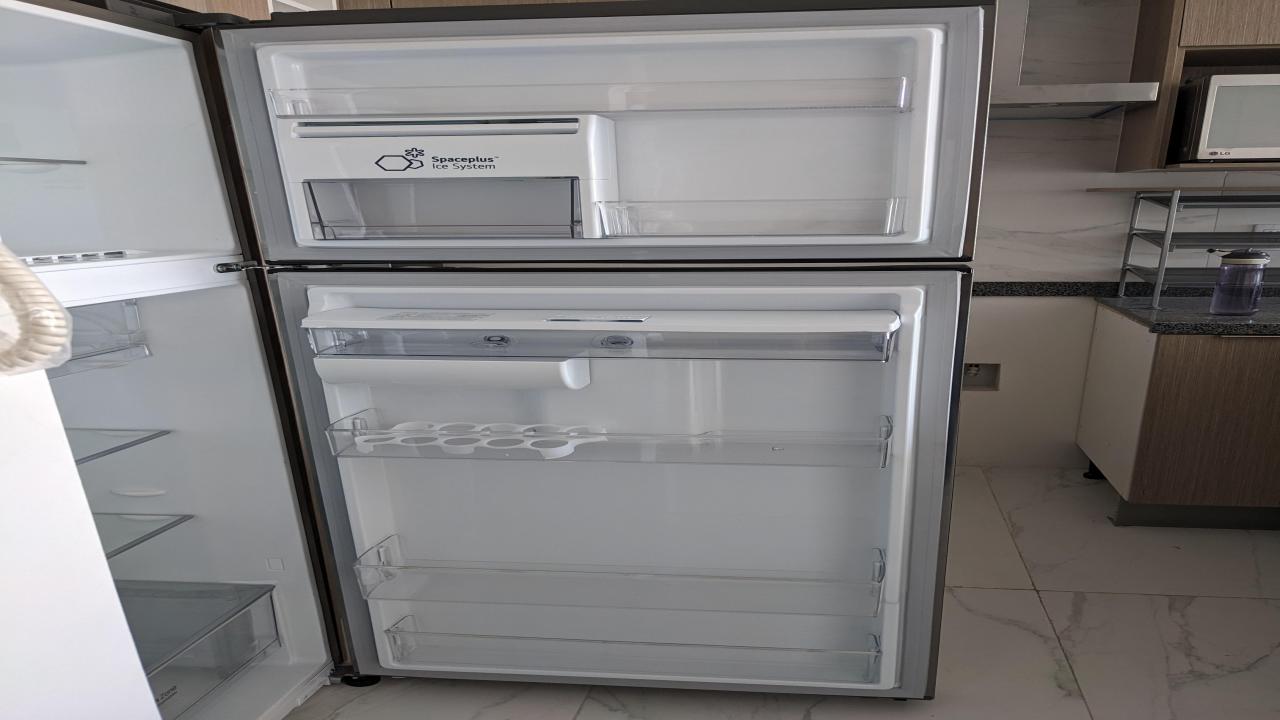
How exactly does the ice machine work in fridges?

Whirlpool Corporation Developed SwashBrand Laundry Detergent

Haier presents its new high-tech appliances

Refrigerators - according to most comments on all media, all the major brands suck

Is black stainless steel worth it

A fil rouge between outdoor and indoor

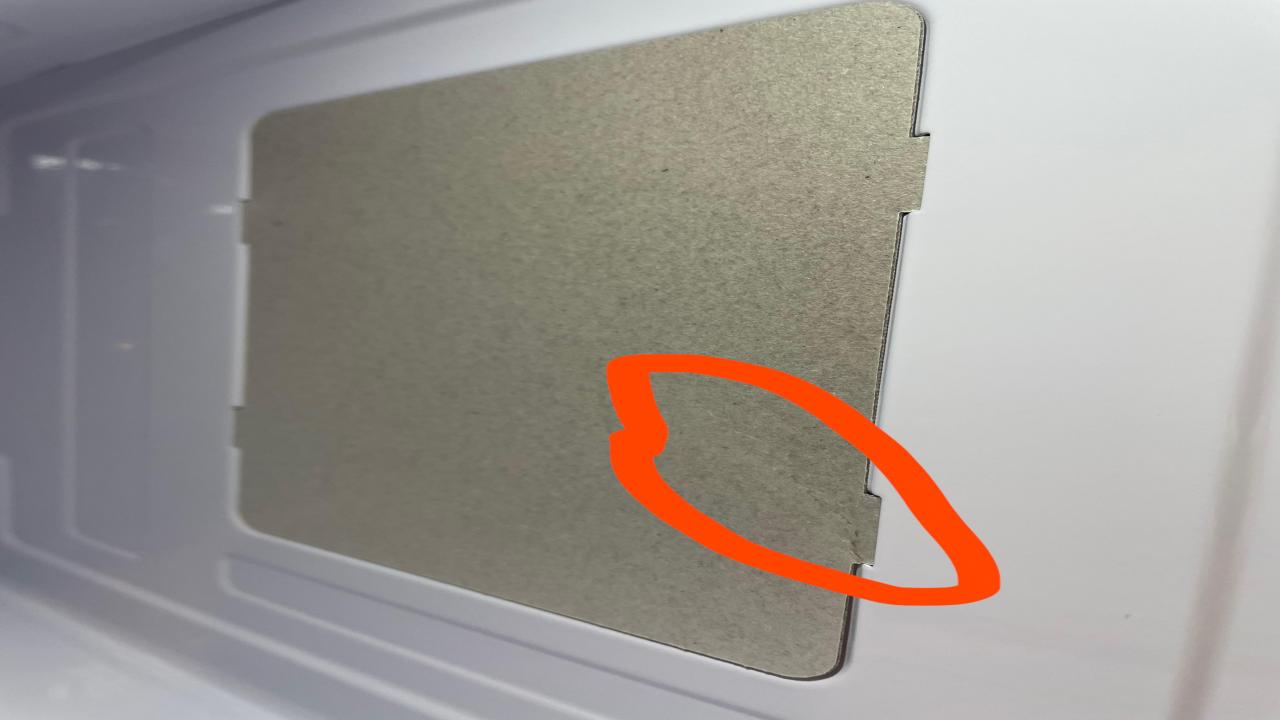
Should I replace the sheet in my microwave?