

Appliance Types
- Air Conditioner
- Automobile
- Chainsaw
- Circular Saw
- Dishwasher
- Drills
- Dryer
- Drywall Screw Gun
- Furnace
- Gas Fireplace
- Gas Grill
- Gas Patio Heater
- Grinder
- Heat Pump
- Impact Driver
- Impact Wrench
- Microwave
- Nailer
- Orbital Sander
- Pool Heaters
- Powerwall
- Range
- Refrigerator
- Television
- Washer
- Water Heater
Appliance Brands
- A.O. Smith
- AccuCold
- Admiral Craft
- AGA
- Airrex
- Amana
- Ambiance
- American Range
- American Standard
- American Water Heaters
- Aquacal
- Armstrong
- Asko
- Avanti
- Avenlur
- Azure
- Beko
- Bellfires
- Bertazzoni
- Blackstone
- Blaze
- Blomberg
- BlueStar
- Bosch
- Bradford White
- Bromic
- Bryant
- Cafe
- Calcana
- Capital
- Carrier
- Char-Broil
- Char-Griller
- Chrysler
- Coates
- Coleman
- Comfortmaker
- Commercial Chef
- Continental
- Cosmo
- Cove
- Crown Verity
- Dacor
- Daikin
- Danby
- Danfoss
- DaVinci
- DCS
- Deco
- DeWALT
- Ducane
- Dyna-Glo
- Dyson
- EcoSmart
- Electrolux
- Element4
- Empava
- Equator
- Eurodib
- European Home
- Everdure
- Farberware
- Fhiaba
- FibroPool
- Fire Sense
- Fisher
- FiveStar
- Flare
- Flash Furniture
- Focus
- Ford
- Forno
- Forte
- Frigidaire
- Fulgor Milano
- Gaggenau
- GE
- General Motors
- GlowBrand
- Goodman
- Grundig
- GSW
- Haier
- Hayward
- Heatstar
- Heil
- Hestan
- Hisense
- Hitachi
- Hotpoint
- iio
- Ilve
- Impecca
- Ingignia
- Insignia
- JennAir
- John Wood
- Keeprite
- Kenmore
- Kenyon
- KitchenAid
- Kucht
- La Cornue
- Lennox
- LG
- Liebherr
- Lifetime
- Lion
- Luxaire
- Lynx
- Magic Chef
- Marvel
- Maytag
- McQuay
- MicroFridge
- Midea
- Miele
- Migali
- Monogram
- Montigo
- Mr Heater
- Napoleon
- Navien
- Nexgrill
- Noritz
- Panasonic
- Patio Comforts
- Payne
- Pentair
- Perlick
- PITT
- Premier
- Raypak
- Real Fyre
- Regency
- Reliance
- Rheem
- Rinnai
- Roma
- Ruud
- Saber
- Samsung
- Schwank
- Sharp
- Smeg
- Solas
- Sony
- Spartherm
- Speed Queen
- StaRite
- State Water Heaters
- Stiebel Eltron
- SubZero
- Summerset
- Summit
- SunGlo
- SunPak
- Sunpentown
- SunStar
- Superiore
- Takagi
- TCL
- TEC
- Tempstar
- Tesla
- Thermador
- Thor Kitchen
- Toshiba
- Town and Country
- Toyota
- Traeger
- Trane
- Twin Eagles
- U-Line
- Unique
- Vaillant Group
- Valor
- Verona
- Victory
- Viessmann
- Viking
- Vizio
- Weber
- Westinghouse
- Whirlpool
- Whynter
- York
- ZLINE
Article Categories
- Air Conditioners
- Appliance Care
- Appliance News
- Dishwasher News
- Drying Machines
- Furnaces
- Gas Fireplaces
- Microwaves
- Pool Heaters
- Refrigerators
- Stoves - Ranges
- Tips and Tricks
- Washing Machines
- Water Heaters
More Articles
Why Is My Dishwasher Leaking (and What You Can Do About It)
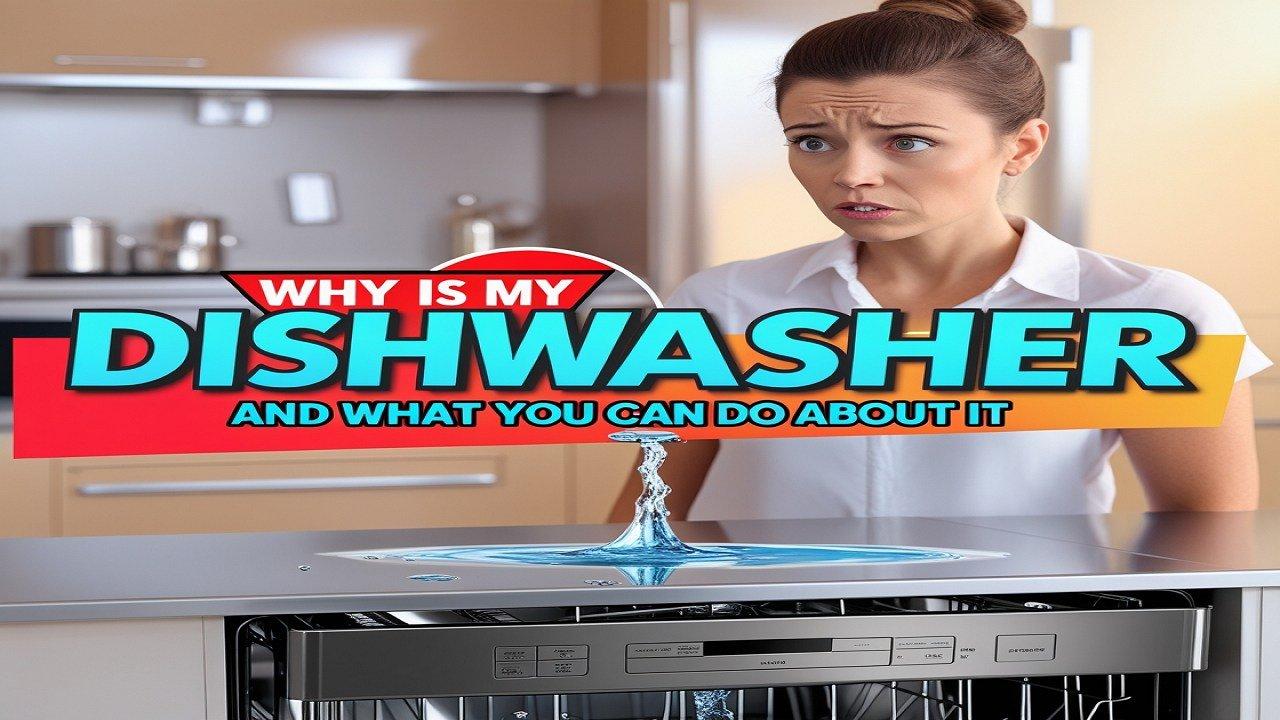
Hey everyone, welcome back to Appliance Helpers. Today we’re tackling a frustrating problem that a lot of homeowners face—why your dishwasher is leaking and, more importantly, what you can do about it. A leaking dishwasher doesn’t always mean you need a brand-new one. In fact, most of the time, it’s something you can fix yourself. Let’s go through the most common causes step by step.
Step 1: Check the Door Seal
The first thing to check is the door seal, also called the gasket. Over time, the rubber can wear out, crack, or collect food debris. If the seal isn’t making a tight fit, water will leak right out the front.
To fix this, clean the gasket with warm soapy water and a cloth. If it’s torn or brittle, it’s time to replace it. Replacement gaskets are easy to order and install.
Step 2: Inspect the Detergent
Believe it or not, using the wrong detergent can also cause leaks. If you’re using regular dish soap instead of dishwasher detergent, you’ll get too many suds, which can spill out onto the floor.
Make sure you’re using detergent made specifically for dishwashers. Stick with pods or liquid designed for them—you’ll save yourself a lot of trouble.
Step 3: Look at the Spray Arm
Another common issue is a damaged or clogged spray arm. If the spray arm has cracks, or if food particles are blocking the holes, it can spray water directly at the door seal, forcing water out.
Take out the spray arm, rinse it under warm water, and clean the holes with a toothpick if needed. If it’s cracked, you’ll need to replace it.
Step 4: Check the Float Switch
Inside your dishwasher, there’s a small part called the float switch. It tells the machine when to stop filling with water. If it’s stuck or broken, the dishwasher might overfill and leak.
Make sure the float moves up and down freely. If it’s stuck, clean around it. If it’s broken, you may need a replacement.
Step 5: Inspect Hoses and Connections
Leaks can also come from the hoses behind the dishwasher—the water supply line, the drain hose, or the pump connections. Over time, these can loosen or crack.
Turn off the power and water supply before you check. Tighten any loose connections and replace worn hoses. It’s a simple fix that can save you from a big water mess.
Step 6: Level the Dishwasher
And finally, check if your dishwasher is level. If it tilts forward, water can pool at the door and leak out.
Use a level tool and adjust the feet underneath until the dishwasher sits flat.
Closing & Prevention Tips
So, to recap—most leaks come from the door seal, wrong detergent, a damaged spray arm, a stuck float switch, loose hoses, or a dishwasher that isn’t level. Most of these fixes are quick and inexpensive, and you can handle them yourself.
If this video helped you out, give it a thumbs up, and don’t forget to subscribe for more appliance tips and troubleshooting guides from Appliance Helpers. And if your dishwasher problem wasn’t on this list, drop a comment below—I’d love to cover it in a future video. Thanks for watching, and I’ll see you next time.
Hey everyone, welcome back to Appliance Helpers. Today we’re tackling a frustrating problem that a lot of homeowners face—why your dishwasher is leaking and, more importantly, what you can do about it. A leaking dishwasher doesn’t always mean you need a brand-new one. In fact, most of the time, it’s something you can fix yourself. Let’s go through the most common causes step by step.
Step 1: Check the Door Seal
The first thing to check is the door seal, also called the gasket. Over time, the rubber can wear out, crack, or collect food debris. If the seal isn’t making a tight fit, water will leak right out the front.
To fix this, clean the gasket with warm soapy water and a cloth. If it’s torn or brittle, it’s time to replace it. Replacement gaskets are easy to order and install.
Step 2: Inspect the Detergent
Believe it or not, using the wrong detergent can also cause leaks. If you’re using regular dish soap instead of dishwasher detergent, you’ll get too many suds, which can spill out onto the floor.
Make sure you’re using detergent made specifically for dishwashers. Stick with pods or liquid designed for them—you’ll save yourself a lot of trouble.
Step 3: Look at the Spray Arm
Another common issue is a damaged or clogged spray arm. If the spray arm has cracks, or if food particles are blocking the holes, it can spray water directly at the door seal, forcing water out.
Take out the spray arm, rinse it under warm water, and clean the holes with a toothpick if needed. If it’s cracked, you’ll need to replace it.
Step 4: Check the Float Switch
Inside your dishwasher, there’s a small part called the float switch. It tells the machine when to stop filling with water. If it’s stuck or broken, the dishwasher might overfill and leak.
Make sure the float moves up and down freely. If it’s stuck, clean around it. If it’s broken, you may need a replacement.
Step 5: Inspect Hoses and Connections
Leaks can also come from the hoses behind the dishwasher—the water supply line, the drain hose, or the pump connections. Over time, these can loosen or crack.
Turn off the power and water supply before you check. Tighten any loose connections and replace worn hoses. It’s a simple fix that can save you from a big water mess.
Step 6: Level the Dishwasher
And finally, check if your dishwasher is level. If it tilts forward, water can pool at the door and leak out.
Use a level tool and adjust the feet underneath until the dishwasher sits flat.
Closing & Prevention Tips
So, to recap—most leaks come from the door seal, wrong detergent, a damaged spray arm, a stuck float switch, loose hoses, or a dishwasher that isn’t level. Most of these fixes are quick and inexpensive, and you can handle them yourself.
If this video helped you out, give it a thumbs up, and don’t forget to subscribe for more appliance tips and troubleshooting guides from Appliance Helpers. And if your dishwasher problem wasn’t on this list, drop a comment below—I’d love to cover it in a future video. Thanks for watching, and I’ll see you next time.
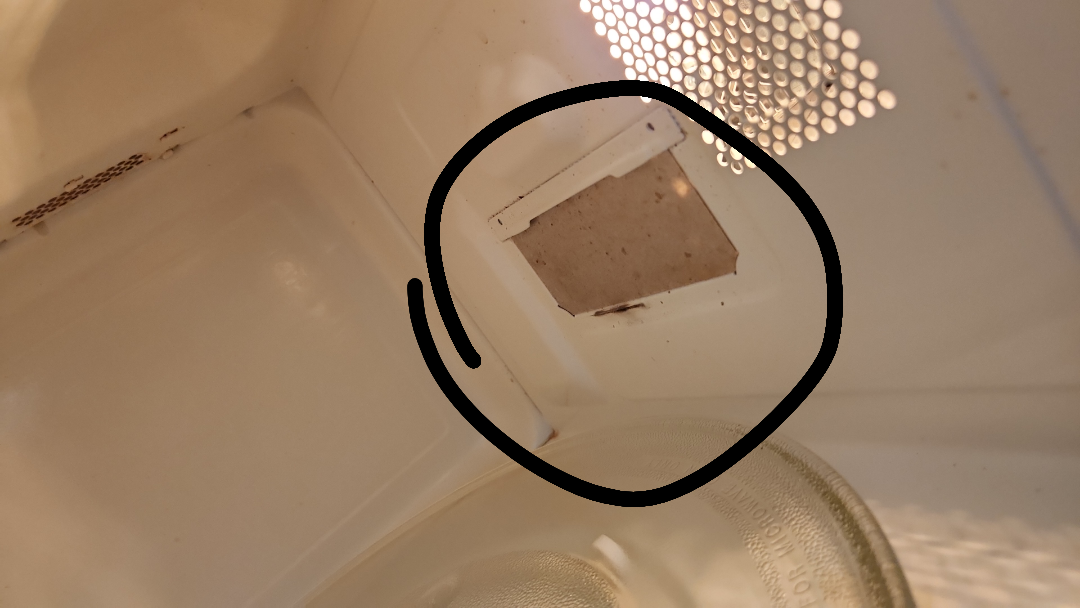
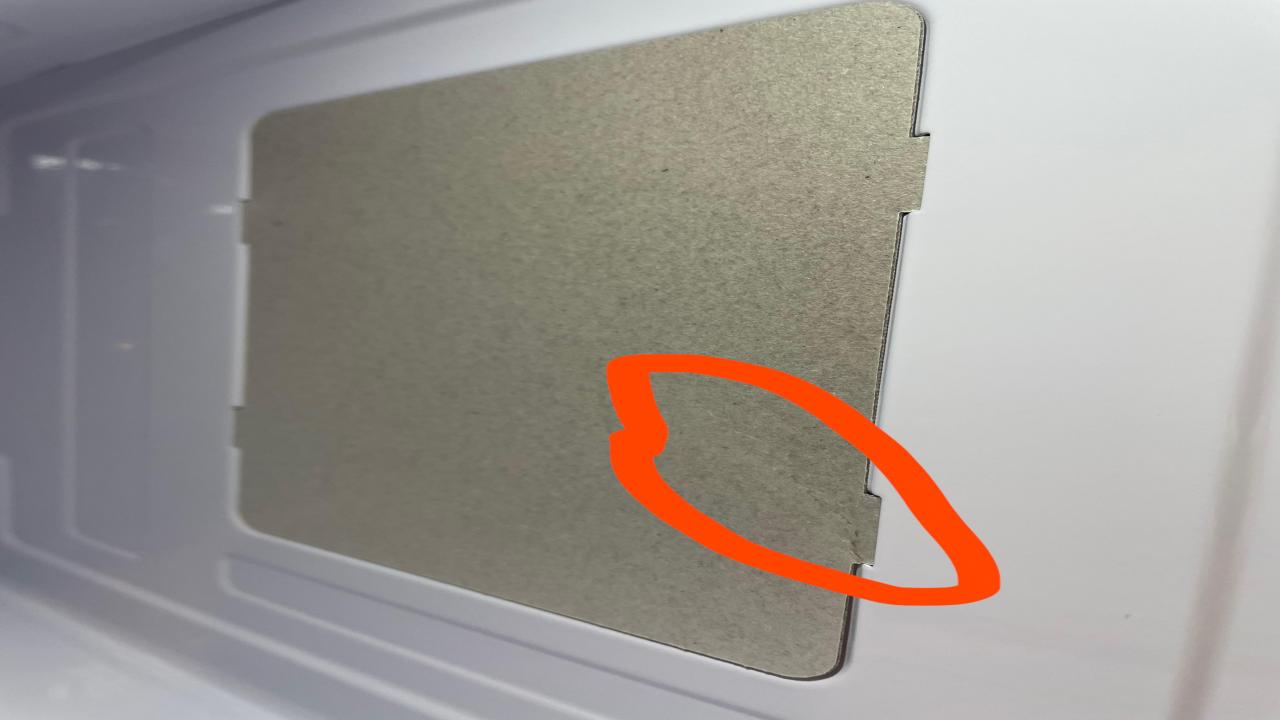
Burnt food last night in the microwave and it's running normally today Is this part of it damaged -
2023 The Best Built-In Coffee Machine

Whats the Difference Between Electric, Gas, and Oil Heating Systems?
Should I replace the sheet in my microwave?

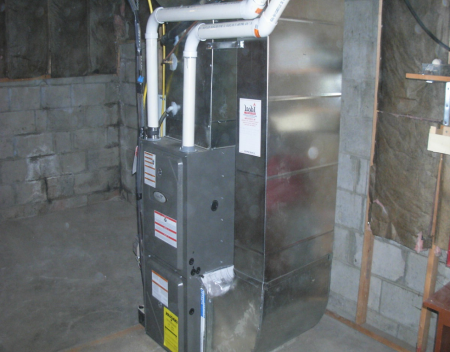
Can I do furnance maintenance myself

Leicas expansion into the laser TV market goes full steam ahead with Hisense partnership

Bosch 300 or Samsung Dishwasher with BestBuy's extended warranty?