


Appliance Types
- Air Conditioner
- Automobile
- Chainsaw
- Circular Saw
- Dishwasher
- Drills
- Dryer
- Drywall Screw Gun
- Furnace
- Gas Fireplace
- Gas Grill
- Gas Patio Heater
- Grinder
- Heat Pump
- Impact Driver
- Impact Wrench
- Microwave
- Nailer
- Orbital Sander
- Pool Heaters
- Powerwall
- Range
- Refrigerator
- Television
- Washer
- Water Heater
Appliance Brands
- A.O. Smith
- AccuCold
- Admiral Craft
- AGA
- Airrex
- Amana
- Ambiance
- American Range
- American Standard
- American Water Heaters
- Aquacal
- Armstrong
- Asko
- Avanti
- Avenlur
- Azure
- Beko
- Bellfires
- Bertazzoni
- Blackstone
- Blaze
- Blomberg
- BlueStar
- Bosch
- Bradford White
- Bromic
- Bryant
- Cafe
- Calcana
- Capital
- Carrier
- Char-Broil
- Char-Griller
- Chrysler
- Coates
- Coleman
- Comfortmaker
- Commercial Chef
- Continental
- Cosmo
- Cove
- Crown Verity
- Dacor
- Daikin
- Danby
- Danfoss
- DaVinci
- DCS
- Deco
- DeWALT
- Ducane
- Dyna-Glo
- Dyson
- EcoSmart
- Electrolux
- Element4
- Empava
- Equator
- Eurodib
- European Home
- Everdure
- Farberware
- Fhiaba
- FibroPool
- Fire Sense
- Fisher
- FiveStar
- Flare
- Flash Furniture
- Focus
- Ford
- Forno
- Forte
- Frigidaire
- Fulgor Milano
- Gaggenau
- GE
- General Motors
- GlowBrand
- Goodman
- Grundig
- GSW
- Haier
- Hayward
- Heatstar
- Heil
- Hestan
- Hisense
- Hitachi
- Hotpoint
- iio
- Ilve
- Impecca
- Ingignia
- Insignia
- JennAir
- John Wood
- Keeprite
- Kenmore
- Kenyon
- KitchenAid
- Kucht
- La Cornue
- Lennox
- LG
- Liebherr
- Lifetime
- Lion
- Luxaire
- Lynx
- Magic Chef
- Marvel
- Maytag
- McQuay
- MicroFridge
- Midea
- Miele
- Migali
- Monogram
- Montigo
- Mr Heater
- Napoleon
- Navien
- Nexgrill
- Noritz
- Panasonic
- Patio Comforts
- Payne
- Pentair
- Perlick
- PITT
- Premier
- Raypak
- Real Fyre
- Regency
- Reliance
- Rheem
- Rinnai
- Roma
- Ruud
- Saber
- Samsung
- Schwank
- Sharp
- Smeg
- Solas
- Sony
- Spartherm
- Speed Queen
- StaRite
- State Water Heaters
- Stiebel Eltron
- SubZero
- Summerset
- Summit
- SunGlo
- SunPak
- Sunpentown
- SunStar
- Superiore
- Takagi
- TCL
- TEC
- Tempstar
- Tesla
- Thermador
- Thor Kitchen
- Toshiba
- Town and Country
- Toyota
- Traeger
- Trane
- Twin Eagles
- U-Line
- Unique
- Vaillant Group
- Valor
- Verona
- Victory
- Viessmann
- Viking
- Vizio
- Weber
- Westinghouse
- Whirlpool
- Whynter
- York
- ZLINE
Article Categories
- Air Conditioners
- Appliance Care
- Appliance News
- Dishwasher News
- Drying Machines
- Furnaces
- Gas Fireplaces
- Microwaves
- Pool Heaters
- Refrigerators
- Stoves - Ranges
- Tips and Tricks
- Washing Machines
- Water Heaters
More Articles
Can Microwave Ovens Explode?
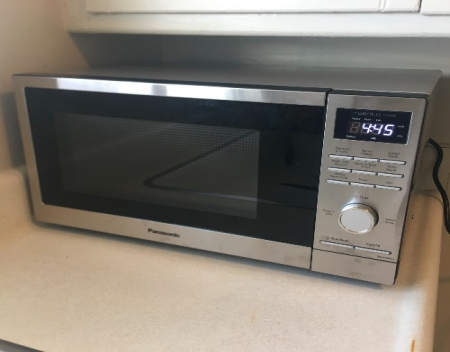
Microwave ovens make cooking, baking, and reheating very easy. Due to their versatility and usefulness, they have found their way into almost every kitchen. Nonetheless, these devices are not entirely risk-free, and things can go wrong with them. That is why it is essential to be careful when using microwave ovens. So, can microwave ovens explode?
What Causes Microwave Ovens To Explode?
Although the microwave oven is a relatively safe device, improper usage can trigger fires and explosions. Here are the common causes of such accidents.
Use Of Metals For Cooking.
If you look at the instruction manual of any microwave oven, you will notice that metallic containers are unsuitable for microwave cooking.
Do you know why? In metals, the atoms have free electrons. When microwaves pass through these electrons, they rapidly vibrate. This generates heat inside the metal. As the temperature rises, the metal will continue to heat and reach a temperature at which the metal can burn the microwave.
Now, this does not always trigger a fire or explosion. So, if you accidentally left a metal container in the microwave, it may turn out fine. But this is usually because the metal is very thick, and thick metal heats up very slowly.
The problem arises when the metal has sharp edges or uneven surfaces. When the surface is uneven, the free electrons that bounce back and forth form concentrated negative charges.
When these charges are exposed to air particles, sparks form, such sparks can trigger a fire or explosion if it hits something flammable. Since you cannot predict when this will happen, always avoid using metals inside the microwave.
Cooking Certain Foods.
Some foods, like grapes and eggs, can trigger microwave fires due to their shape and structure.
Problems arise when you try to cook a whole egg in the shell. Since the shell is intact, there is very little space inside it for the food to cook. When you microwave the egg, the moisture inside it turns to steam, causing the pressure to increase. The lack of space and pressure from within forces the egg to explode.
Hot pepper is another food that will explode because it contains a chemical substance called capsaicin, which is volatile.
Another ingredient that can explode is grapes. Grapes that are cut in half concentrate the microwave energy between them. As the temperature increases, the water in the grapes will transform into plasma and catch fire.
Equally dangerous is heating pure distilled water in a clean cup. Microwave radiation can cause the water to become superheated. So, instead of boiling, the surface remains flat. However, when you move the water, it will cause an explosion.
Faulty Construction Or Wiring Problems.
Most microwave oven companies focus on safety aspects when designing this equipment. A safety certification indicates that a microwave oven meets standard safety guidelines. Accident risks are smaller for such devices. The sturdy construction and safety measures put in place will ensure that the device shuts off in case of any unexpected power issues.
However, there may be a construction defect in rare cases that causes the device to explode or go up in flames. So, check for any such previous complaints on the model before you buy it.
Explosions or fires can also happen due to installation issues. Overflow of electricity can trigger microwave accidents. Faulty wiring can lead to short circuits or sparks that can damage the device. If the oven continues to run in the event of a short circuit, it can indicate current leakage. Should sparks be produced, they can cause fires in the presence of flammable objects.
Although we cannot entirely rule out equipment or installation errors, they are rare. Most accidents are caused by improper usage of the device. So, you should always follow the manufacturer’s guidelines and use the microwave oven as suggested. You cannot hold the microwave company responsible if an accident happens due to improper usage.
SOURCE: kitchencuddle.com
Microwave ovens make cooking, baking, and reheating very easy. Due to their versatility and usefulness, they have found their way into almost every kitchen. Nonetheless, these devices are not entirely risk-free, and things can go wrong with them. That is why it is essential to be careful when using microwave ovens. So, can microwave ovens explode?
What Causes Microwave Ovens To Explode?
Although the microwave oven is a relatively safe device, improper usage can trigger fires and explosions. Here are the common causes of such accidents.
Use Of Metals For Cooking.
If you look at the instruction manual of any microwave oven, you will notice that metallic containers are unsuitable for microwave cooking.
Do you know why? In metals, the atoms have free electrons. When microwaves pass through these electrons, they rapidly vibrate. This generates heat inside the metal. As the temperature rises, the metal will continue to heat and reach a temperature at which the metal can burn the microwave.
Now, this does not always trigger a fire or explosion. So, if you accidentally left a metal container in the microwave, it may turn out fine. But this is usually because the metal is very thick, and thick metal heats up very slowly.
The problem arises when the metal has sharp edges or uneven surfaces. When the surface is uneven, the free electrons that bounce back and forth form concentrated negative charges.
When these charges are exposed to air particles, sparks form, such sparks can trigger a fire or explosion if it hits something flammable. Since you cannot predict when this will happen, always avoid using metals inside the microwave.
Cooking Certain Foods.
Some foods, like grapes and eggs, can trigger microwave fires due to their shape and structure.
Problems arise when you try to cook a whole egg in the shell. Since the shell is intact, there is very little space inside it for the food to cook. When you microwave the egg, the moisture inside it turns to steam, causing the pressure to increase. The lack of space and pressure from within forces the egg to explode.
Hot pepper is another food that will explode because it contains a chemical substance called capsaicin, which is volatile.
Another ingredient that can explode is grapes. Grapes that are cut in half concentrate the microwave energy between them. As the temperature increases, the water in the grapes will transform into plasma and catch fire.
Equally dangerous is heating pure distilled water in a clean cup. Microwave radiation can cause the water to become superheated. So, instead of boiling, the surface remains flat. However, when you move the water, it will cause an explosion.
Faulty Construction Or Wiring Problems.
Most microwave oven companies focus on safety aspects when designing this equipment. A safety certification indicates that a microwave oven meets standard safety guidelines. Accident risks are smaller for such devices. The sturdy construction and safety measures put in place will ensure that the device shuts off in case of any unexpected power issues.
However, there may be a construction defect in rare cases that causes the device to explode or go up in flames. So, check for any such previous complaints on the model before you buy it.
Explosions or fires can also happen due to installation issues. Overflow of electricity can trigger microwave accidents. Faulty wiring can lead to short circuits or sparks that can damage the device. If the oven continues to run in the event of a short circuit, it can indicate current leakage. Should sparks be produced, they can cause fires in the presence of flammable objects.
Although we cannot entirely rule out equipment or installation errors, they are rare. Most accidents are caused by improper usage of the device. So, you should always follow the manufacturer’s guidelines and use the microwave oven as suggested. You cannot hold the microwave company responsible if an accident happens due to improper usage.
SOURCE: kitchencuddle.com
Robotics for All Ecovacs Robotics redefines corporate vision and mission in 2022
What is the Difference Between a Vented Dryer and a Condenser Dryer?

Working together to eliminate waste

How Do I Remove a Dent From My Stainless Steel Dryer?
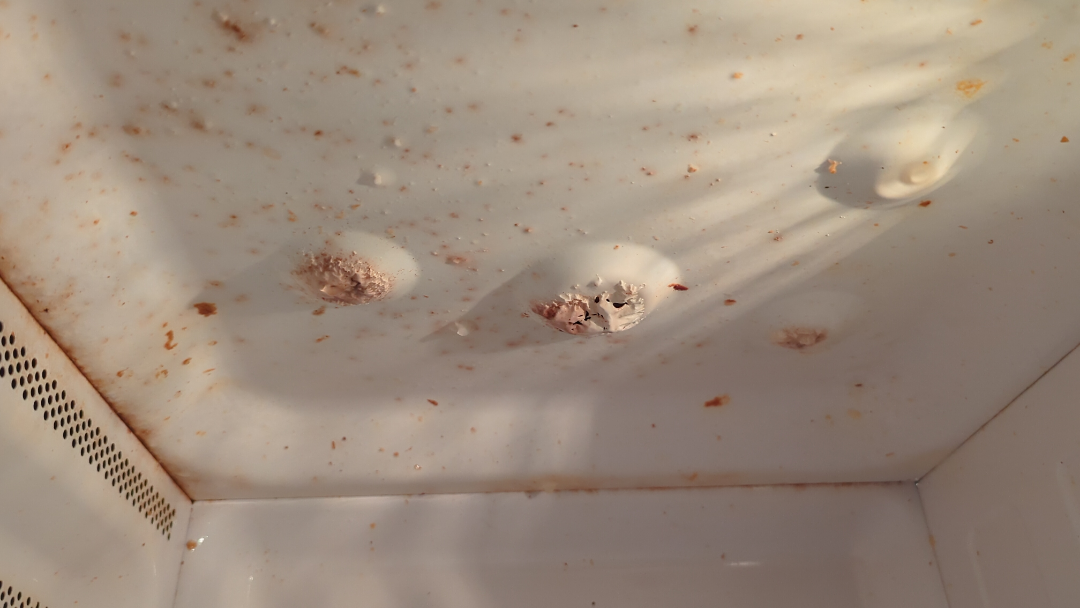
Is this microwave still safe to use?
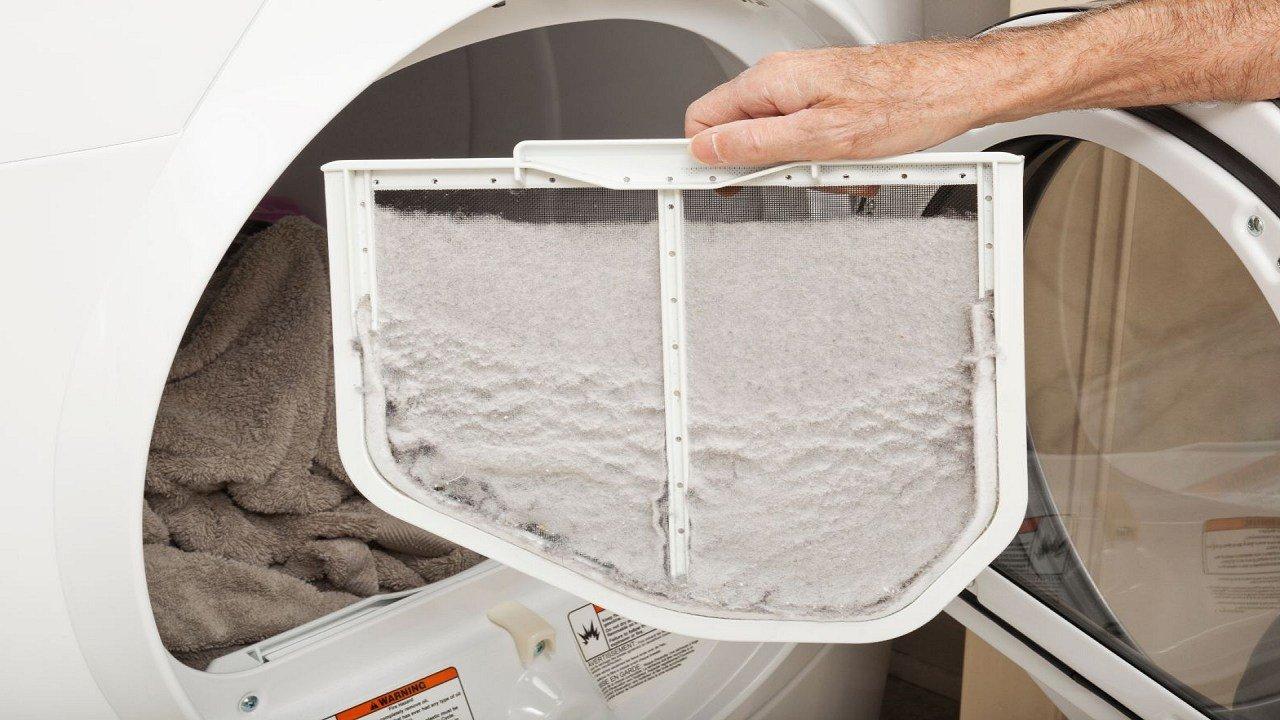
How often should I clean the lint filter in my dryer?
How many different types of water heaters are there
Trying to find age of ancient stove