

Appliance Types
- Air Conditioner
- Automobile
- Chainsaw
- Circular Saw
- Dishwasher
- Drills
- Dryer
- Drywall Screw Gun
- Furnace
- Gas Fireplace
- Gas Grill
- Gas Patio Heater
- Grinder
- Heat Pump
- Impact Driver
- Impact Wrench
- Microwave
- Nailer
- Orbital Sander
- Pool Heaters
- Powerwall
- Range
- Refrigerator
- Television
- Washer
- Water Heater
Appliance Brands
- A.O. Smith
- AccuCold
- Admiral Craft
- AGA
- Airrex
- Amana
- Ambiance
- American Range
- American Standard
- American Water Heaters
- Aquacal
- Armstrong
- Asko
- Avanti
- Avenlur
- Azure
- Beko
- Bellfires
- Bertazzoni
- Blackstone
- Blaze
- Blomberg
- BlueStar
- Bosch
- Bradford White
- Bromic
- Bryant
- Cafe
- Calcana
- Capital
- Carrier
- Char-Broil
- Char-Griller
- Chrysler
- Coates
- Coleman
- Comfortmaker
- Commercial Chef
- Continental
- Cosmo
- Cove
- Crown Verity
- Dacor
- Daikin
- Danby
- Danfoss
- DaVinci
- DCS
- Deco
- DeWALT
- Ducane
- Dyna-Glo
- Dyson
- EcoSmart
- Electrolux
- Element4
- Empava
- Equator
- Eurodib
- European Home
- Everdure
- Farberware
- Fhiaba
- FibroPool
- Fire Sense
- Fisher
- FiveStar
- Flare
- Flash Furniture
- Focus
- Ford
- Forno
- Forte
- Frigidaire
- Fulgor Milano
- Gaggenau
- GE
- General Motors
- GlowBrand
- Goodman
- Grundig
- GSW
- Haier
- Hayward
- Heatstar
- Heil
- Hestan
- Hisense
- Hitachi
- Hotpoint
- iio
- Ilve
- Impecca
- Ingignia
- Insignia
- JennAir
- John Wood
- Keeprite
- Kenmore
- Kenyon
- KitchenAid
- Kucht
- La Cornue
- Lennox
- LG
- Liebherr
- Lifetime
- Lion
- Luxaire
- Lynx
- Magic Chef
- Marvel
- Maytag
- McQuay
- MicroFridge
- Midea
- Miele
- Migali
- Monogram
- Montigo
- Mr Heater
- Napoleon
- Navien
- Nexgrill
- Noritz
- Panasonic
- Patio Comforts
- Payne
- Pentair
- Perlick
- PITT
- Premier
- Raypak
- Real Fyre
- Regency
- Reliance
- Rheem
- Rinnai
- Roma
- Ruud
- Saber
- Samsung
- Schwank
- Sharp
- Smeg
- Solas
- Sony
- Spartherm
- Speed Queen
- StaRite
- State Water Heaters
- Stiebel Eltron
- SubZero
- Summerset
- Summit
- SunGlo
- SunPak
- Sunpentown
- SunStar
- Superiore
- Takagi
- TCL
- TEC
- Tempstar
- Tesla
- Thermador
- Thor Kitchen
- Toshiba
- Town and Country
- Toyota
- Traeger
- Trane
- Twin Eagles
- U-Line
- Unique
- Vaillant Group
- Valor
- Verona
- Victory
- Viessmann
- Viking
- Vizio
- Weber
- Westinghouse
- Whirlpool
- Whynter
- York
- ZLINE
Article Categories
- Air Conditioners
- Appliance Care
- Appliance News
- Dishwasher News
- Drying Machines
- Furnaces
- Gas Fireplaces
- Microwaves
- Pool Heaters
- Refrigerators
- Stoves - Ranges
- Tips and Tricks
- Washing Machines
- Water Heaters
More Articles
Common Causes of Furnace Fires
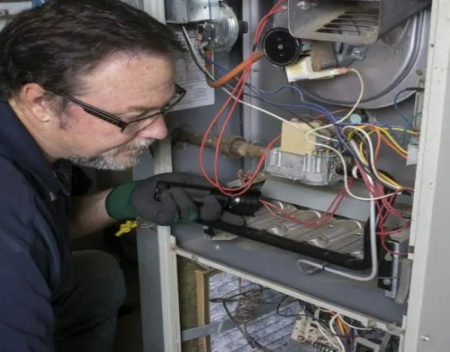
That crisp, cold air means it’s time to get ready for chilly weather. You look forward to snuggling in and spending warm evenings at home. You count on the furnace to keep the cold at bay, but are you sure it’s ready to operate safely through the long months ahead?
BLOCKED AIR FILTER.
A dirty furnace filter compromises equipment performance and efficiency. It interferes with airflow and allows airborne contaminants into the system. The furnace works harder and overheats. Extreme temperatures can result in the motor catching fire.
HIGH GAS PRESSURE.
When a gas furnace works properly, it combines a balanced mixture of gas and oxygen to produce safe, steady heat. This takes place inside the combustion chamber at a pressure specific to the furnace model. Too much pressure causes excessive temperatures and flammable soot buildup inside the heat exchanger.
CARBON MONOXIDE LEAKS.
Furnaces that burn combustible fuel generate carbon monoxide. As long as the equipment operates correctly, the highly flammable gas vents outside the home through the furnace flue. Cracked or damaged components can result in leaks that allow carbon monoxide to accumulate inside the furnace and burst into flames.
OVERHEATED MOTOR COMPONENTS.
When furnace parts overheat, they pose a serious fire risk. Common problems include bad wiring, excessive voltage, dry motor bearings and restricted air flow. Any of these conditions can create excessive heat in the motor, and that can start a furnace fire.
The flame rollout is a very dangerous event that can occur during a furnace fire. It’s best described as fire coming out of the furnace. When inflammable gases build up inside the furnace, their presence starves the flames of oxygen.
As the fire seeks more fuel, it escapes the combustion chamber and rolls flames over nearby materials. Discoloration and singeing on the chamber’s exterior are sure signs of a flame rollout. If you notice this type of damage, turn off the furnace, and call your HVAC professional right away.
IGNS YOUR FURNACE IS GOING TO EXPLODE.
Furnace explosions don’t happen often, but the results can be devastating. There are DIY steps for troubleshooting your home’s furnace, but call an HVAC technician if you notice any of these potentially serious signs.
1. Loud noises inside the furnace, such as banging, popping, and rattling, are usually caused by component failure.
2. A yellow burner flame is normal, but a blue flame indicates the presence of highly explosive carbon monoxide.
3. Foul odors coming from the heater are signs that the internal combustion process isn’t operating properly.
4. Streaks of soot on the exterior of the furnace flue or chimney are caused by dangerous overheating inside the unit.
5. A tripped carbon monoxide detector indicates furnace problems that must be taken care of immediately.
CAN AN ELECTRIC FURNACE CATCH ON FIRE?
Most furnace fires occur in models powered by combustion. However, electric furnaces can also pose a home fire risk. Faulty wiring or bad connections can lead to sparking. This can ignite materials near the furnace and start a fire that quickly spreads through the house.
WHAT TO DO IF YOUR FURNACE CATCHES FIRE.
Heating equipment is the second leading cause of house fires. Most of these incidents involve small appliances, and the fires can usually be contained without too much damage.
Trying to put out a furnace fire by yourself can be very risky. The size and location of the unit make it dangerous. If your furnace catches fire, don’t take chances. Immediately evacuate your home, and call 911.
HOW TO PREVENT FURNACE FIRES.
Preventing a furnace fire starts with regular DIY maintenance and an inspection by a licensed HVAC technician. It’s important to keep the unit clean too. Change filters often, don’t let dust accumulate around the unit, and have the duct work cleaned once a year. Consider installing a rollout safety switch on your furnace.
Depending on equipment type, follow these furnace fire safety tips to lower the risk of a furnace fire spreading through your home.
GAS FURNACES.
Keep stored materials at least 3 feet away from the furnace.
Make sure snow on the roof doesn’t block exterior furnace vents.
Install a carbon monoxide detector on each level of the house.
Locate and know how to operate the gas supply shutoff valve.
SOURCE: servicemasterbyzaba.com
That crisp, cold air means it’s time to get ready for chilly weather. You look forward to snuggling in and spending warm evenings at home. You count on the furnace to keep the cold at bay, but are you sure it’s ready to operate safely through the long months ahead?
BLOCKED AIR FILTER.
A dirty furnace filter compromises equipment performance and efficiency. It interferes with airflow and allows airborne contaminants into the system. The furnace works harder and overheats. Extreme temperatures can result in the motor catching fire.
HIGH GAS PRESSURE.
When a gas furnace works properly, it combines a balanced mixture of gas and oxygen to produce safe, steady heat. This takes place inside the combustion chamber at a pressure specific to the furnace model. Too much pressure causes excessive temperatures and flammable soot buildup inside the heat exchanger.
CARBON MONOXIDE LEAKS.
Furnaces that burn combustible fuel generate carbon monoxide. As long as the equipment operates correctly, the highly flammable gas vents outside the home through the furnace flue. Cracked or damaged components can result in leaks that allow carbon monoxide to accumulate inside the furnace and burst into flames.
OVERHEATED MOTOR COMPONENTS.
When furnace parts overheat, they pose a serious fire risk. Common problems include bad wiring, excessive voltage, dry motor bearings and restricted air flow. Any of these conditions can create excessive heat in the motor, and that can start a furnace fire.
The flame rollout is a very dangerous event that can occur during a furnace fire. It’s best described as fire coming out of the furnace. When inflammable gases build up inside the furnace, their presence starves the flames of oxygen.
As the fire seeks more fuel, it escapes the combustion chamber and rolls flames over nearby materials. Discoloration and singeing on the chamber’s exterior are sure signs of a flame rollout. If you notice this type of damage, turn off the furnace, and call your HVAC professional right away.
IGNS YOUR FURNACE IS GOING TO EXPLODE.
Furnace explosions don’t happen often, but the results can be devastating. There are DIY steps for troubleshooting your home’s furnace, but call an HVAC technician if you notice any of these potentially serious signs.
1. Loud noises inside the furnace, such as banging, popping, and rattling, are usually caused by component failure.
2. A yellow burner flame is normal, but a blue flame indicates the presence of highly explosive carbon monoxide.
3. Foul odors coming from the heater are signs that the internal combustion process isn’t operating properly.
4. Streaks of soot on the exterior of the furnace flue or chimney are caused by dangerous overheating inside the unit.
5. A tripped carbon monoxide detector indicates furnace problems that must be taken care of immediately.
CAN AN ELECTRIC FURNACE CATCH ON FIRE?
Most furnace fires occur in models powered by combustion. However, electric furnaces can also pose a home fire risk. Faulty wiring or bad connections can lead to sparking. This can ignite materials near the furnace and start a fire that quickly spreads through the house.
WHAT TO DO IF YOUR FURNACE CATCHES FIRE.
Heating equipment is the second leading cause of house fires. Most of these incidents involve small appliances, and the fires can usually be contained without too much damage.
Trying to put out a furnace fire by yourself can be very risky. The size and location of the unit make it dangerous. If your furnace catches fire, don’t take chances. Immediately evacuate your home, and call 911.
HOW TO PREVENT FURNACE FIRES.
Preventing a furnace fire starts with regular DIY maintenance and an inspection by a licensed HVAC technician. It’s important to keep the unit clean too. Change filters often, don’t let dust accumulate around the unit, and have the duct work cleaned once a year. Consider installing a rollout safety switch on your furnace.
Depending on equipment type, follow these furnace fire safety tips to lower the risk of a furnace fire spreading through your home.
GAS FURNACES.
Keep stored materials at least 3 feet away from the furnace.
Make sure snow on the roof doesn’t block exterior furnace vents.
Install a carbon monoxide detector on each level of the house.
Locate and know how to operate the gas supply shutoff valve.
SOURCE: servicemasterbyzaba.com
Review: Sharp Smart Plasmacluster Ion Air Purifier with True HEPA + Humidifier for Large Rooms (KCP7
Bosch awarded for its smart home

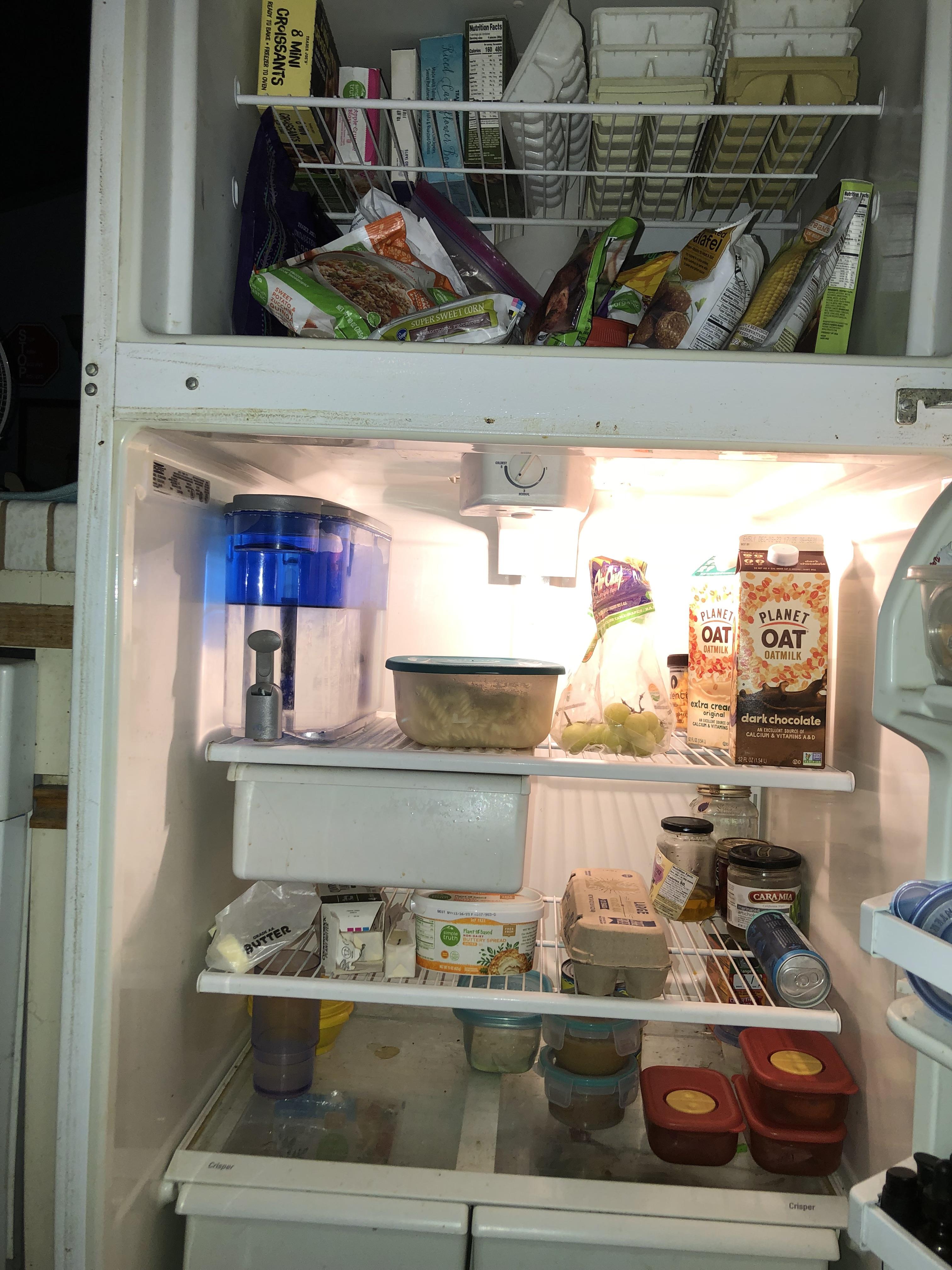
Can I turn the fridge off but leave the freezer on?
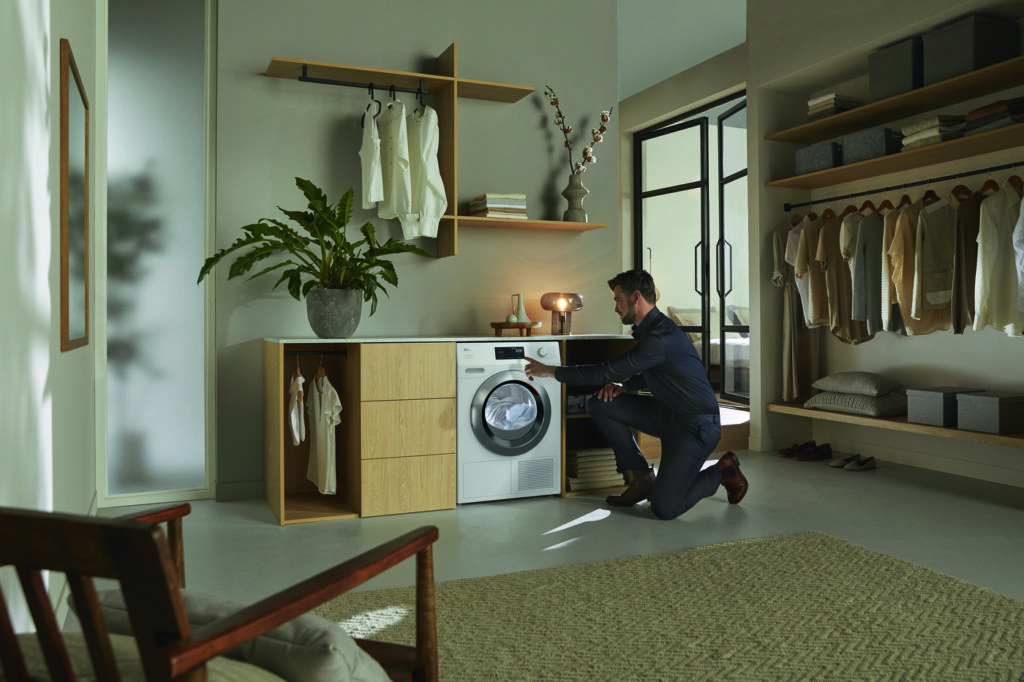
Miele dryers reach A rating for energy efficiency
Vertical farming experience the megatrend
5 Reasons Why a Microwave Wont Heat