

Appliance Types
- Air Conditioner
- Automobile
- Chainsaw
- Circular Saw
- Dishwasher
- Drills
- Dryer
- Drywall Screw Gun
- Furnace
- Gas Fireplace
- Gas Grill
- Gas Patio Heater
- Grinder
- Heat Pump
- Impact Driver
- Impact Wrench
- Microwave
- Nailer
- Orbital Sander
- Pool Heaters
- Powerwall
- Range
- Refrigerator
- Television
- Washer
- Water Heater
Appliance Brands
- A.O. Smith
- AccuCold
- Admiral Craft
- AGA
- Airrex
- Amana
- Ambiance
- American Range
- American Standard
- American Water Heaters
- Aquacal
- Armstrong
- Asko
- Avanti
- Avenlur
- Azure
- Beko
- Bellfires
- Bertazzoni
- Blackstone
- Blaze
- Blomberg
- BlueStar
- Bosch
- Bradford White
- Bromic
- Bryant
- Cafe
- Calcana
- Capital
- Carrier
- Char-Broil
- Char-Griller
- Chrysler
- Coates
- Coleman
- Comfortmaker
- Commercial Chef
- Continental
- Cosmo
- Cove
- Crown Verity
- Dacor
- Daikin
- Danby
- Danfoss
- DaVinci
- DCS
- Deco
- DeWALT
- Ducane
- Dyna-Glo
- Dyson
- EcoSmart
- Electrolux
- Element4
- Empava
- Equator
- Eurodib
- European Home
- Everdure
- Farberware
- Fhiaba
- FibroPool
- Fire Sense
- Fisher
- FiveStar
- Flare
- Flash Furniture
- Focus
- Ford
- Forno
- Forte
- Frigidaire
- Fulgor Milano
- Gaggenau
- GE
- General Motors
- GlowBrand
- Goodman
- Grundig
- GSW
- Haier
- Hayward
- Heatstar
- Heil
- Hestan
- Hisense
- Hitachi
- Hotpoint
- iio
- Ilve
- Impecca
- Ingignia
- Insignia
- JennAir
- John Wood
- Keeprite
- Kenmore
- Kenyon
- KitchenAid
- Kucht
- La Cornue
- Lennox
- LG
- Liebherr
- Lifetime
- Lion
- Luxaire
- Lynx
- Magic Chef
- Marvel
- Maytag
- McQuay
- MicroFridge
- Midea
- Miele
- Migali
- Monogram
- Montigo
- Mr Heater
- Napoleon
- Navien
- Nexgrill
- Noritz
- Panasonic
- Patio Comforts
- Payne
- Pentair
- Perlick
- PITT
- Premier
- Raypak
- Real Fyre
- Regency
- Reliance
- Rheem
- Rinnai
- Roma
- Ruud
- Saber
- Samsung
- Schwank
- Sharp
- Smeg
- Solas
- Sony
- Spartherm
- Speed Queen
- StaRite
- State Water Heaters
- Stiebel Eltron
- SubZero
- Summerset
- Summit
- SunGlo
- SunPak
- Sunpentown
- SunStar
- Superiore
- Takagi
- TCL
- TEC
- Tempstar
- Tesla
- Thermador
- Thor Kitchen
- Toshiba
- Town and Country
- Toyota
- Traeger
- Trane
- Twin Eagles
- U-Line
- Unique
- Vaillant Group
- Valor
- Verona
- Victory
- Viessmann
- Viking
- Vizio
- Weber
- Westinghouse
- Whirlpool
- Whynter
- York
- ZLINE
Article Categories
- Air Conditioners
- Appliance Care
- Appliance News
- Dishwasher News
- Drying Machines
- Furnaces
- Gas Fireplaces
- Microwaves
- Pool Heaters
- Refrigerators
- Stoves - Ranges
- Tips and Tricks
- Washing Machines
- Water Heaters
More Articles
How do Water Heaters Work?
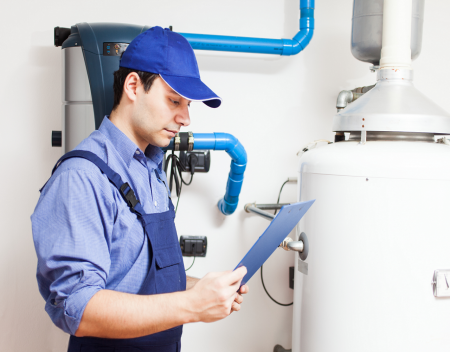
Water heaters are familiar fixtures in most homes. That's because the water coming into your home makes a journey through a system of pipes, and it's usually cold or cool, depending on the time of year. To have water warm enough to take a shower or bath or wash clothes, you need a water heater.
They typically look like big metal cylinders and they're often confined to a utility room or basement. Newer styles have some interesting features, like tankless water heaters that provide endless hot water on demand.
But the old, reliable water heater design that's most widely used in the U.S. today is really a pretty simple appliance; it's basically a drum filled with water and equipped with a heating mechanism on the bottom or inside. Common energy sources for heating up water include electricity, burner oil and natural gas. Some modern applications have also moved to solar and geothermal heat for increased efficiency.
What makes water heaters interesting is that they exploit the principle that heat rises to deliver hot water right to your faucet with minimum fuss. Don't let the simple shape shrouded in its wooly insulating blanket fool you. Water heaters have an ingenious design on the inside for something that looks so ordinary on the outside.
Inside a Water Heater
Let's take a quick look at the inner components that work together in your water heater to make your morning shower so satisfying:
Tank: The inner shell of a water heater is a heavy metal tank containing a water protective liner that holds 40 to 60 gallons (151 to 227 liters) of hot water at around 50 to 100 pounds per square inch (PSI), within the pressure range of a typical residential water system. The exterior of the tank is covered in an insulating material like polyurethane foam. Over that, there's a decorative outer shell and possibly an additional insulating blanket.
Dip tube: Water enters the water heater through the dip tube at the top of the tank and travels to the tank bottom where it's then heated.
Shut-off valve: The shut-off valve stops water from flowing into the water heater. It's a separate component from the heater located outside and above the unit.
Heat-out pipe: Suspended toward the top of the tank's interior, the heat-out pipe allows the hot water to exit the water heater.
Thermostat: This is a thermometer- and temperature-control device. Some electric water heaters have a separate thermostat for each element.
Heating mechanism: Electric water heaters have heating elements inside the tank to heat the water. Gas water heaters use a burner and chimney system instead.
Drain valve: Located near the bottom of the exterior housing, the drain valve makes it easy to empty the tank to replace the elements, remove sediment or move the tank to another location.
Pressure relief valve: This safety device keeps the pressure inside the water heater within safe limits.
Sacrificial anode rod: Made of magnesium or aluminum with a steel core, the sacrificial anode rod is suspended in the water heater tank to help retard corrosion.
Now, let's see how all these parts work together to provide you with hot water.
If your electric water heater is taking longer to bring water to temperature than it used to, the bottom heating element inside the tank may have burned out. It may also be time to use your tank's drain valve to remove accumulated sediment.
Heating the Water
Let's take a close-up look at what's going on inside a water heater's tank to see how it does its job.
A water heater's thermostat controls the temperature of the water inside the tank. Normally, you can set the temperature anywhere between 120 and 180 degrees Fahrenheit (49 to 82 degrees Celsius). The water temperature setting recommended by most manufacturers is between 120 to 140 degrees Fahrenheit (49 to 60 degrees Celsius). This is hot enough to be sufficient for household use, but not hot enough that it can pose a scalding risk. If there are children living in your home, it's wise to stay closer to the lower end of the range.
Setting your water heater to a lower temperature saves energy, too, and if you remember to dial back the heat when you go on vacation, you'll experience even more energy savings. Usually, the thermostat is located underneath a protective cover plate and has a knob or dial you can turn to set the temperature.
The dip tube feeds cold water from your home's water lines to the bottom of the tank's interior, where the water starts to warm up. The heating mechanism, either a burner or an element, stays on until the water reaches temperature.
As the water heats, it rises to the top of the tank. The heat-out pipe is located near the top of the tank. Water exiting the water heater at the top is always the hottest in the tank at any given moment because it's the nature of hot water to rise above denser, cold water.
The secret to a water heater's design for separating cold, incoming water from hot, outgoing water is that it relies on the principle that heat rises to do the hard part. The position of the heat-out pipe at the top of the tank does the rest.
Home improvement experts recommend performing preventative maintenance annually on tank-style water heaters, which a professional technician can help you with. Components such as the pressure release valve and anode rod should be inspected to ensure effective operation.
Over time, the tank can also fill up with natural sediment and minerals from your water source. These contaminants clump together at the bottom of the heater, reducing its efficiency and potentially shortening the service life of the system. To stop this from happening, the technician can drain the tank and flush out any collected sediment.
Tankless and Alternative Water Heaters
Although tank style water heaters are still very popular, especially in the U.S., tankless water heaters are gaining in popularity. Where a tank-style water heater continuously heats the water to make it available when you need it, a tankless system creates hot water on demand. Tankless heaters sit idle most of the time, and are automatically switched on whenever hot water is needed.
These provide less gallons-per-minute of hot water than a typical heater, and can take a while to warm up. However, they also use nearly zero energy when hot water is not needed. By comparison, the traditional system will keep switching itself on to maintain the heat in its tank, even when no one is home.
Although this can mean big energy savings, a tankless system can initially cost up to three times as much as a standard water heater setup. Multiple water heaters will also likely be required to effectively provide hot water for multiple bathrooms and appliances. On the other hand, energy savings will go back into your pocket in the long run, and there are often incentives like tax rebates that go toward the installation of high-efficiency heaters.
Other types of efficient heaters are used in more niche applications, such as solar heating systems. These use a series of water-filled pipes installed along the roof of a building. These pipes collect the natural heat of the sun and then transfer the hot water into an insulated collection tank using pumps or gravity flow. In the process, the system uses very little energy, but it requires a warm, sunny climate and a lot of roof space.
There are drawbacks, as cold weather can cut off the whole hot water supply. It also takes a long time to replenish the storage tank if it is drained completely. Many solar water heaters will also include an electrical or gas heating method as a backup, which helps alleviate the disadvantages.
Geothermal water heaters work similarly to their solar counterparts, but instead use pipes buried underground. In areas of volcanic activity, geothermal heaters can take advantage of the reliable and practically infinite heat that radiates from the Earth's core.
Source: Re-posted and Summarized from Sara Elliott & Talon Homer at how stuff works.
Water heaters are familiar fixtures in most homes. That's because the water coming into your home makes a journey through a system of pipes, and it's usually cold or cool, depending on the time of year. To have water warm enough to take a shower or bath or wash clothes, you need a water heater.
They typically look like big metal cylinders and they're often confined to a utility room or basement. Newer styles have some interesting features, like tankless water heaters that provide endless hot water on demand.
But the old, reliable water heater design that's most widely used in the U.S. today is really a pretty simple appliance; it's basically a drum filled with water and equipped with a heating mechanism on the bottom or inside. Common energy sources for heating up water include electricity, burner oil and natural gas. Some modern applications have also moved to solar and geothermal heat for increased efficiency.
What makes water heaters interesting is that they exploit the principle that heat rises to deliver hot water right to your faucet with minimum fuss. Don't let the simple shape shrouded in its wooly insulating blanket fool you. Water heaters have an ingenious design on the inside for something that looks so ordinary on the outside.
Inside a Water Heater
Let's take a quick look at the inner components that work together in your water heater to make your morning shower so satisfying:
Tank: The inner shell of a water heater is a heavy metal tank containing a water protective liner that holds 40 to 60 gallons (151 to 227 liters) of hot water at around 50 to 100 pounds per square inch (PSI), within the pressure range of a typical residential water system. The exterior of the tank is covered in an insulating material like polyurethane foam. Over that, there's a decorative outer shell and possibly an additional insulating blanket.
Dip tube: Water enters the water heater through the dip tube at the top of the tank and travels to the tank bottom where it's then heated.
Shut-off valve: The shut-off valve stops water from flowing into the water heater. It's a separate component from the heater located outside and above the unit.
Heat-out pipe: Suspended toward the top of the tank's interior, the heat-out pipe allows the hot water to exit the water heater.
Thermostat: This is a thermometer- and temperature-control device. Some electric water heaters have a separate thermostat for each element.
Heating mechanism: Electric water heaters have heating elements inside the tank to heat the water. Gas water heaters use a burner and chimney system instead.
Drain valve: Located near the bottom of the exterior housing, the drain valve makes it easy to empty the tank to replace the elements, remove sediment or move the tank to another location.
Pressure relief valve: This safety device keeps the pressure inside the water heater within safe limits.
Sacrificial anode rod: Made of magnesium or aluminum with a steel core, the sacrificial anode rod is suspended in the water heater tank to help retard corrosion.
Now, let's see how all these parts work together to provide you with hot water.
If your electric water heater is taking longer to bring water to temperature than it used to, the bottom heating element inside the tank may have burned out. It may also be time to use your tank's drain valve to remove accumulated sediment.
Heating the Water
Let's take a close-up look at what's going on inside a water heater's tank to see how it does its job.
A water heater's thermostat controls the temperature of the water inside the tank. Normally, you can set the temperature anywhere between 120 and 180 degrees Fahrenheit (49 to 82 degrees Celsius). The water temperature setting recommended by most manufacturers is between 120 to 140 degrees Fahrenheit (49 to 60 degrees Celsius). This is hot enough to be sufficient for household use, but not hot enough that it can pose a scalding risk. If there are children living in your home, it's wise to stay closer to the lower end of the range.
Setting your water heater to a lower temperature saves energy, too, and if you remember to dial back the heat when you go on vacation, you'll experience even more energy savings. Usually, the thermostat is located underneath a protective cover plate and has a knob or dial you can turn to set the temperature.
The dip tube feeds cold water from your home's water lines to the bottom of the tank's interior, where the water starts to warm up. The heating mechanism, either a burner or an element, stays on until the water reaches temperature.
As the water heats, it rises to the top of the tank. The heat-out pipe is located near the top of the tank. Water exiting the water heater at the top is always the hottest in the tank at any given moment because it's the nature of hot water to rise above denser, cold water.
The secret to a water heater's design for separating cold, incoming water from hot, outgoing water is that it relies on the principle that heat rises to do the hard part. The position of the heat-out pipe at the top of the tank does the rest.
Home improvement experts recommend performing preventative maintenance annually on tank-style water heaters, which a professional technician can help you with. Components such as the pressure release valve and anode rod should be inspected to ensure effective operation.
Over time, the tank can also fill up with natural sediment and minerals from your water source. These contaminants clump together at the bottom of the heater, reducing its efficiency and potentially shortening the service life of the system. To stop this from happening, the technician can drain the tank and flush out any collected sediment.
Tankless and Alternative Water Heaters
Although tank style water heaters are still very popular, especially in the U.S., tankless water heaters are gaining in popularity. Where a tank-style water heater continuously heats the water to make it available when you need it, a tankless system creates hot water on demand. Tankless heaters sit idle most of the time, and are automatically switched on whenever hot water is needed.
These provide less gallons-per-minute of hot water than a typical heater, and can take a while to warm up. However, they also use nearly zero energy when hot water is not needed. By comparison, the traditional system will keep switching itself on to maintain the heat in its tank, even when no one is home.
Although this can mean big energy savings, a tankless system can initially cost up to three times as much as a standard water heater setup. Multiple water heaters will also likely be required to effectively provide hot water for multiple bathrooms and appliances. On the other hand, energy savings will go back into your pocket in the long run, and there are often incentives like tax rebates that go toward the installation of high-efficiency heaters.
Other types of efficient heaters are used in more niche applications, such as solar heating systems. These use a series of water-filled pipes installed along the roof of a building. These pipes collect the natural heat of the sun and then transfer the hot water into an insulated collection tank using pumps or gravity flow. In the process, the system uses very little energy, but it requires a warm, sunny climate and a lot of roof space.
There are drawbacks, as cold weather can cut off the whole hot water supply. It also takes a long time to replenish the storage tank if it is drained completely. Many solar water heaters will also include an electrical or gas heating method as a backup, which helps alleviate the disadvantages.
Geothermal water heaters work similarly to their solar counterparts, but instead use pipes buried underground. In areas of volcanic activity, geothermal heaters can take advantage of the reliable and practically infinite heat that radiates from the Earth's core.
Source: Re-posted and Summarized from Sara Elliott & Talon Homer at how stuff works.
What does it mean if your furnace is making a weird noise?
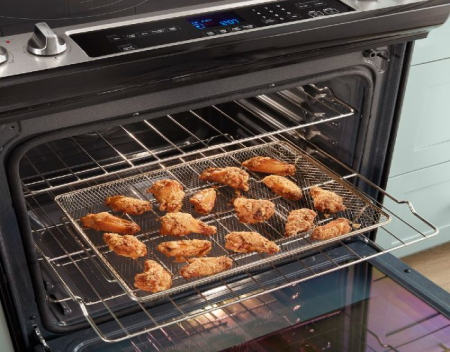
Whirlpool Oven doesnt bake evenly
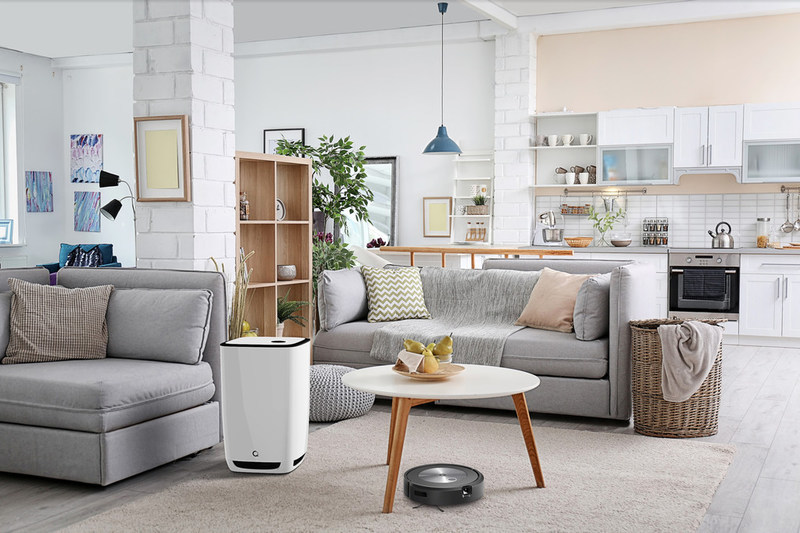
With Aeris Cleantec AG iRobot enters in the air purifiers segment
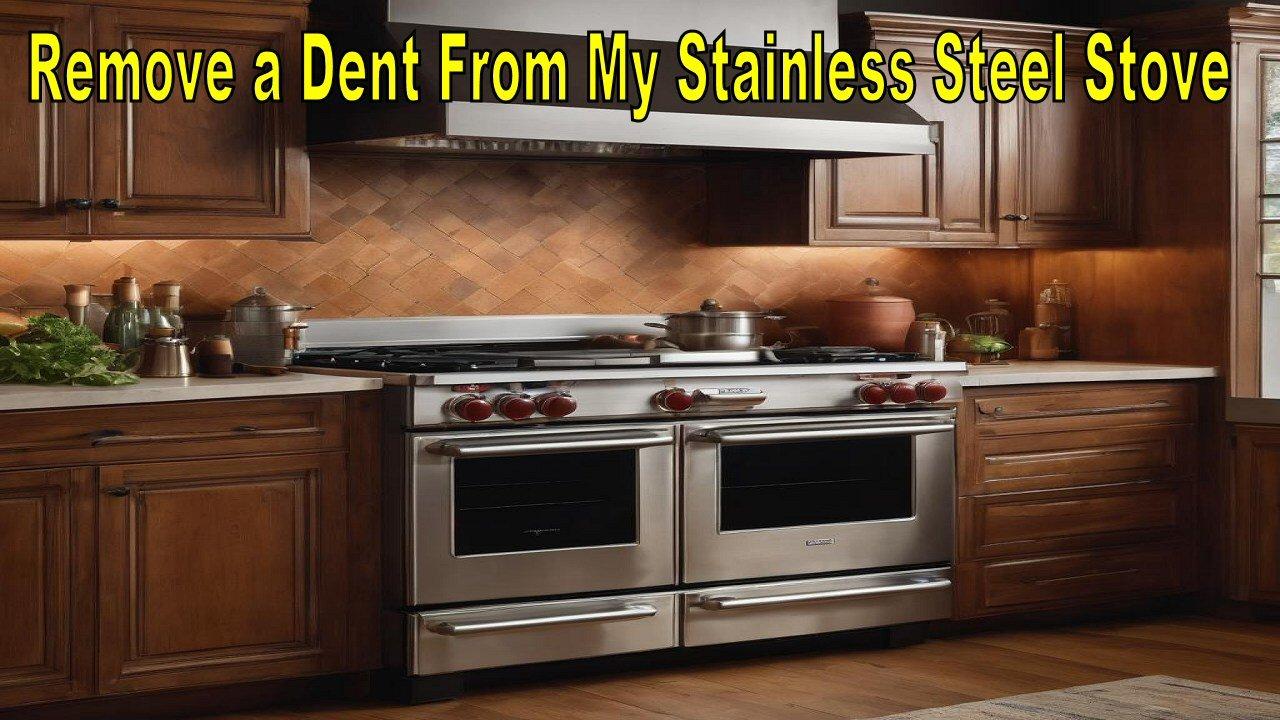
How Do I Remove a Dent From My Stainless Steel Stove?
How do I remove scratches from the glass surface of my cooktop?
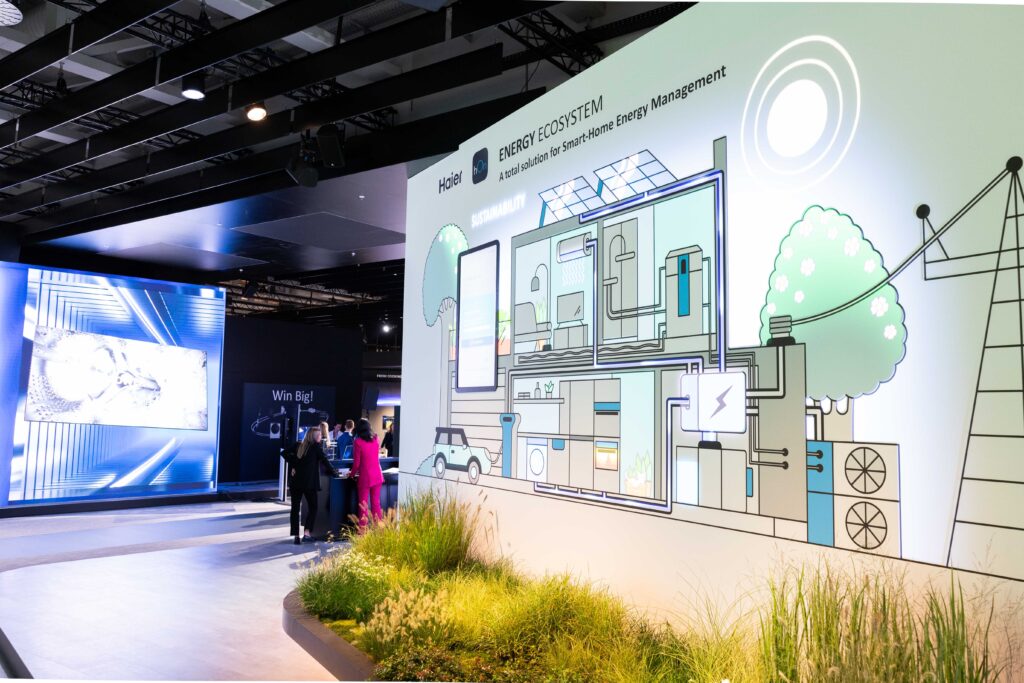
Haier presents its new high-tech appliances