

Appliance Types
- Air Conditioner
- Automobile
- Chainsaw
- Circular Saw
- Dishwasher
- Drills
- Dryer
- Drywall Screw Gun
- Furnace
- Gas Fireplace
- Gas Grill
- Gas Patio Heater
- Grinder
- Heat Pump
- Impact Driver
- Impact Wrench
- Microwave
- Nailer
- Orbital Sander
- Pool Heaters
- Powerwall
- Range
- Refrigerator
- Television
- Washer
- Water Heater
Appliance Brands
- A.O. Smith
- AccuCold
- Admiral Craft
- AGA
- Airrex
- Amana
- Ambiance
- American Range
- American Standard
- American Water Heaters
- Aquacal
- Armstrong
- Asko
- Avanti
- Avenlur
- Azure
- Beko
- Bellfires
- Bertazzoni
- Blackstone
- Blaze
- Blomberg
- BlueStar
- Bosch
- Bradford White
- Bromic
- Bryant
- Cafe
- Calcana
- Capital
- Carrier
- Char-Broil
- Char-Griller
- Chrysler
- Coates
- Coleman
- Comfortmaker
- Commercial Chef
- Continental
- Cosmo
- Cove
- Crown Verity
- Dacor
- Daikin
- Danby
- Danfoss
- DaVinci
- DCS
- Deco
- DeWALT
- Ducane
- Dyna-Glo
- Dyson
- EcoSmart
- Electrolux
- Element4
- Empava
- Equator
- Eurodib
- European Home
- Everdure
- Farberware
- Fhiaba
- FibroPool
- Fire Sense
- Fisher
- FiveStar
- Flare
- Flash Furniture
- Focus
- Ford
- Forno
- Forte
- Frigidaire
- Fulgor Milano
- Gaggenau
- GE
- General Motors
- GlowBrand
- Goodman
- Grundig
- GSW
- Haier
- Hayward
- Heatstar
- Heil
- Hestan
- Hisense
- Hitachi
- Hotpoint
- iio
- Ilve
- Impecca
- Ingignia
- Insignia
- JennAir
- John Wood
- Keeprite
- Kenmore
- Kenyon
- KitchenAid
- Kucht
- La Cornue
- Lennox
- LG
- Liebherr
- Lifetime
- Lion
- Luxaire
- Lynx
- Magic Chef
- Marvel
- Maytag
- McQuay
- MicroFridge
- Midea
- Miele
- Migali
- Monogram
- Montigo
- Mr Heater
- Napoleon
- Navien
- Nexgrill
- Noritz
- Panasonic
- Patio Comforts
- Payne
- Pentair
- Perlick
- PITT
- Premier
- Raypak
- Real Fyre
- Regency
- Reliance
- Rheem
- Rinnai
- Roma
- Ruud
- Saber
- Samsung
- Schwank
- Sharp
- Smeg
- Solas
- Sony
- Spartherm
- Speed Queen
- StaRite
- State Water Heaters
- Stiebel Eltron
- SubZero
- Summerset
- Summit
- SunGlo
- SunPak
- Sunpentown
- SunStar
- Superiore
- Takagi
- TCL
- TEC
- Tempstar
- Tesla
- Thermador
- Thor Kitchen
- Toshiba
- Town and Country
- Toyota
- Traeger
- Trane
- Twin Eagles
- U-Line
- Unique
- Vaillant Group
- Valor
- Verona
- Victory
- Viessmann
- Viking
- Vizio
- Weber
- Westinghouse
- Whirlpool
- Whynter
- York
- ZLINE
Article Categories
- Air Conditioners
- Appliance Care
- Appliance News
- Dishwasher News
- Drying Machines
- Furnaces
- Gas Fireplaces
- Microwaves
- Pool Heaters
- Refrigerators
- Stoves - Ranges
- Tips and Tricks
- Washing Machines
- Water Heaters
More Articles
How to Fix a Washer Leaking From the Bottom
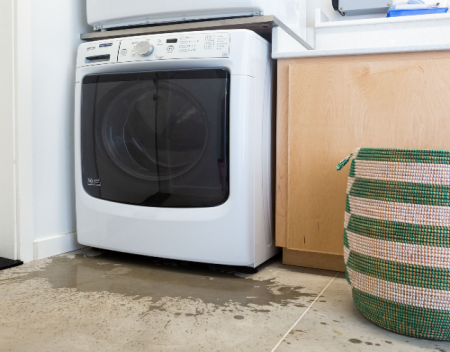
A washer leaking from the bottom can cause significant damage to your home if it is not fixed quickly. In most cases, the leak will be caused by a loose or punctured drain hose, a fault with the drain pump, or a worn-out tub-to-pump hose. If it is possible to run the washer without causing further damage, removing the access panel and then running the washer will allow you to observe where the leak is coming from.
Washers contain sharp materials, so wear protective gloves when repairing a washer.
External Drain Hose.
Before inspecting the internal parts of the washer, check that the external drain hose hasn’t become loose or punctured. The drain hose often become damaged when the washer is pushed too close to the wall and the vibrations from the washer cause it to split. If possible, run the washer and watch the drain hose to see if it is causing the leak.
Pull the washer out from the wall.
Check that the drain hose is not loose.
Inspect the drain hose for tears, splits, and punctures.
Tighten or replace the drain hose if it is leaking.
Depending on the washer, you may need to disassemble the washer to remove and tighten the drain hose, or you may be able to access it externally at the back.
Tub-to-Pump or Internal Drain Hose.
A water leak that appears to be coming from underneath the washing machine, usually a large amount of water, is often due to the tub-to-pump hose. Another internal hose that may be leaking is the drain hose. Both hoses often become damaged due to foreign objects, like pins or paperclips, that get through the washer’s filters. To examine these internal hoses, you will need to remove the access panel.
Checking the Internal Hoses.
Disconnect the washer from the power source, and disconnect the water supply to the washer.
Remove the access panel, either by unthreading the screws or by using a putty knife to wedge it open.
Locate the tub-to-pump hose and drain hose, which will both be connected to the drain pump.
Check that the hoses have not become loose and are still connected.
Check that hose clamps are not rusty or damaged.
Inspect the hoses. Using a flashlight and flexing the hoses will help to identify any punctures.
Remove the hoses to inspect inside them for debris that may have caused the leak.
If the tub-to-pump hose or drain hose is damaged, it will need to be replaced.
Drain Pump.
Another common cause of a washer leak is an issue with the drain pump. Typically, a faulty drain pump will cause the washer to excessively shake and rattle when in use. Depending on your model, the pump may be electric, direct drive, or belt-driven. Drain pumps can become damaged if a foreign object gets through the washer’s filters and into the pump. It can also crack, or a connection can become loose due to wear and tear. The drain pump bearings can also become worn.
To Check the Drain Pump.
Disconnect the washer from the power source and water supply.
Remove the access panel.
Locate the pump. Depending on the model, there may be two or three hoses connected to it – the drain hose, the tub-to-pump hose, and a circulating hose.
Inspect the pump and pump hoses for cracks and other signs of damage.
Turn the drain pump impeller to make sure it turns freely and that the impeller is not broken. Finding broken pieces of plastic in the pump housing indicates the impellers are damaged, and the pump needs to be replaced.
The drain pump can also be removed and tested for resistance with a multimeter.
Less Common Causes.
Tub Seals.
Front-loaders have a tub seal located inside the outer tub at the rear and another that goes around the tub, sealing the two halves. Top-loaders have a seal located at the bottom of the tub. Repairing tub seals often requires disassembling most of the washer and is best left to a professional. Tub seals are different from the door gasket on a front loader, which can cause water to leak out of the front.
Water Inlet Valve.
The water inlet valve controls the hot and cold water that enters the tub and is usually located where the hot and cold inlet hoses enter the washer. A leak from the water inlet valve is usually due to cracks in the body or a defective seal. The water inlet valve can be removed and replaced by removing the access panel and then using pliers to remove the clamps securing it.
Detergent Dispenser.
If your washer has a detergent dispenser, it can become blocked with the detergent residue, which can cause a leak.
SOURCE: academy.fredsappliance.com
A washer leaking from the bottom can cause significant damage to your home if it is not fixed quickly. In most cases, the leak will be caused by a loose or punctured drain hose, a fault with the drain pump, or a worn-out tub-to-pump hose. If it is possible to run the washer without causing further damage, removing the access panel and then running the washer will allow you to observe where the leak is coming from.
Washers contain sharp materials, so wear protective gloves when repairing a washer.
External Drain Hose.
Before inspecting the internal parts of the washer, check that the external drain hose hasn’t become loose or punctured. The drain hose often become damaged when the washer is pushed too close to the wall and the vibrations from the washer cause it to split. If possible, run the washer and watch the drain hose to see if it is causing the leak.
Pull the washer out from the wall.
Check that the drain hose is not loose.
Inspect the drain hose for tears, splits, and punctures.
Tighten or replace the drain hose if it is leaking.
Depending on the washer, you may need to disassemble the washer to remove and tighten the drain hose, or you may be able to access it externally at the back.
Tub-to-Pump or Internal Drain Hose.
A water leak that appears to be coming from underneath the washing machine, usually a large amount of water, is often due to the tub-to-pump hose. Another internal hose that may be leaking is the drain hose. Both hoses often become damaged due to foreign objects, like pins or paperclips, that get through the washer’s filters. To examine these internal hoses, you will need to remove the access panel.
Checking the Internal Hoses.
Disconnect the washer from the power source, and disconnect the water supply to the washer.
Remove the access panel, either by unthreading the screws or by using a putty knife to wedge it open.
Locate the tub-to-pump hose and drain hose, which will both be connected to the drain pump.
Check that the hoses have not become loose and are still connected.
Check that hose clamps are not rusty or damaged.
Inspect the hoses. Using a flashlight and flexing the hoses will help to identify any punctures.
Remove the hoses to inspect inside them for debris that may have caused the leak.
If the tub-to-pump hose or drain hose is damaged, it will need to be replaced.
Drain Pump.
Another common cause of a washer leak is an issue with the drain pump. Typically, a faulty drain pump will cause the washer to excessively shake and rattle when in use. Depending on your model, the pump may be electric, direct drive, or belt-driven. Drain pumps can become damaged if a foreign object gets through the washer’s filters and into the pump. It can also crack, or a connection can become loose due to wear and tear. The drain pump bearings can also become worn.
To Check the Drain Pump.
Disconnect the washer from the power source and water supply.
Remove the access panel.
Locate the pump. Depending on the model, there may be two or three hoses connected to it – the drain hose, the tub-to-pump hose, and a circulating hose.
Inspect the pump and pump hoses for cracks and other signs of damage.
Turn the drain pump impeller to make sure it turns freely and that the impeller is not broken. Finding broken pieces of plastic in the pump housing indicates the impellers are damaged, and the pump needs to be replaced.
The drain pump can also be removed and tested for resistance with a multimeter.
Less Common Causes.
Tub Seals.
Front-loaders have a tub seal located inside the outer tub at the rear and another that goes around the tub, sealing the two halves. Top-loaders have a seal located at the bottom of the tub. Repairing tub seals often requires disassembling most of the washer and is best left to a professional. Tub seals are different from the door gasket on a front loader, which can cause water to leak out of the front.
Water Inlet Valve.
The water inlet valve controls the hot and cold water that enters the tub and is usually located where the hot and cold inlet hoses enter the washer. A leak from the water inlet valve is usually due to cracks in the body or a defective seal. The water inlet valve can be removed and replaced by removing the access panel and then using pliers to remove the clamps securing it.
Detergent Dispenser.
If your washer has a detergent dispenser, it can become blocked with the detergent residue, which can cause a leak.
SOURCE: academy.fredsappliance.com
The 90 cm multi-function double oven by Grundig
Tech advancements helping household appliances become trillion euro market
Can I use a panel ready refrigerator without panels?

What Would Cause a Furnace to Overheat?
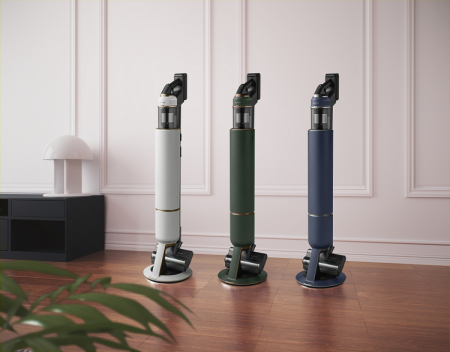
Bespoke Jet the All-in-One Clean Station
2021 Best Dishwashers By Customer Reviews

Is this really okay? (Installers said yes so maybe I’m overthinking)