

Appliance Types
- Air Conditioner
- Automobile
- Chainsaw
- Circular Saw
- Dishwasher
- Drills
- Dryer
- Drywall Screw Gun
- Furnace
- Gas Fireplace
- Gas Grill
- Gas Patio Heater
- Grinder
- Heat Pump
- Impact Driver
- Impact Wrench
- Microwave
- Nailer
- Orbital Sander
- Pool Heaters
- Powerwall
- Range
- Refrigerator
- Television
- Washer
- Water Heater
Appliance Brands
- A.O. Smith
- AccuCold
- Admiral Craft
- AGA
- Airrex
- Amana
- Ambiance
- American Range
- American Standard
- American Water Heaters
- Aquacal
- Armstrong
- Asko
- Avanti
- Avenlur
- Azure
- Beko
- Bellfires
- Bertazzoni
- Blackstone
- Blaze
- Blomberg
- BlueStar
- Bosch
- Bradford White
- Bromic
- Bryant
- Cafe
- Calcana
- Capital
- Carrier
- Char-Broil
- Char-Griller
- Chrysler
- Coates
- Coleman
- Comfortmaker
- Commercial Chef
- Continental
- Cosmo
- Cove
- Crown Verity
- Dacor
- Daikin
- Danby
- Danfoss
- DaVinci
- DCS
- Deco
- DeWALT
- Ducane
- Dyna-Glo
- Dyson
- EcoSmart
- Electrolux
- Element4
- Empava
- Equator
- Eurodib
- European Home
- Everdure
- Farberware
- Fhiaba
- FibroPool
- Fire Sense
- Fisher
- FiveStar
- Flare
- Flash Furniture
- Focus
- Ford
- Forno
- Forte
- Frigidaire
- Fulgor Milano
- Gaggenau
- GE
- General Motors
- GlowBrand
- Goodman
- Grundig
- GSW
- Haier
- Hayward
- Heatstar
- Heil
- Hestan
- Hisense
- Hitachi
- Hotpoint
- iio
- Ilve
- Impecca
- Ingignia
- Insignia
- JennAir
- John Wood
- Keeprite
- Kenmore
- Kenyon
- KitchenAid
- Kucht
- La Cornue
- Lennox
- LG
- Liebherr
- Lifetime
- Lion
- Luxaire
- Lynx
- Magic Chef
- Marvel
- Maytag
- McQuay
- MicroFridge
- Midea
- Miele
- Migali
- Monogram
- Montigo
- Mr Heater
- Napoleon
- Navien
- Nexgrill
- Noritz
- Panasonic
- Patio Comforts
- Payne
- Pentair
- Perlick
- PITT
- Premier
- Raypak
- Real Fyre
- Regency
- Reliance
- Rheem
- Rinnai
- Roma
- Ruud
- Saber
- Samsung
- Schwank
- Sharp
- Smeg
- Solas
- Sony
- Spartherm
- Speed Queen
- StaRite
- State Water Heaters
- Stiebel Eltron
- SubZero
- Summerset
- Summit
- SunGlo
- SunPak
- Sunpentown
- SunStar
- Superiore
- Takagi
- TCL
- TEC
- Tempstar
- Tesla
- Thermador
- Thor Kitchen
- Toshiba
- Town and Country
- Toyota
- Traeger
- Trane
- Twin Eagles
- U-Line
- Unique
- Vaillant Group
- Valor
- Verona
- Victory
- Viessmann
- Viking
- Vizio
- Weber
- Westinghouse
- Whirlpool
- Whynter
- York
- ZLINE
Article Categories
- Air Conditioners
- Appliance Care
- Appliance News
- Dishwasher News
- Drying Machines
- Furnaces
- Gas Fireplaces
- Microwaves
- Pool Heaters
- Refrigerators
- Stoves - Ranges
- Tips and Tricks
- Washing Machines
- Water Heaters
More Articles
Whats the benefits of having a gas range versus an electric range?
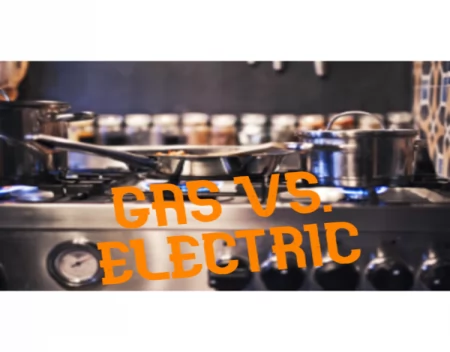
When it comes to buying stoves, homeowners usually have two choices: gas and electric. People usually make their choice based on the kinds of foods they cook. However, there are a variety of differences between the two that could easily change your preference.
When it comes to energy, most gas stoves rely on natural gas. This, of course, means you will require access to a gas line in your house. Depending on where your home is, this detail could be imperative in your choice. In the majority of suburbs, gas and electric stoves are both applicable. In more remote areas, gas lines are usually not provided. Despite where your home is, you probably have access to electricity, which means you can operate an electric stove. All you have to do is plug it in.
In general, you will use more energy operating a gas stove than an electric one. Roughly seventy-four per cent of all energy produced on an electric stove is transferred to the food, compared to forty per cent on a gas range.
The most significant difference between gas and electric stoves is how they respond to temperature setting changes. Gas stoves practically respond instantly as the flames spread through the bottom of the pan, and the knobs that control the size of the flames give you a more accurate control required to be successful with certain dishes. Electric stoves, on the other hand, do not respond as quickly. Specifically when you are adjusting the temperature down or turning the heat off. Other than that, there are simply some things a gas stove can do that an electric stove cannot, such as charring, toasting, and flambéing.
Though they are covered by metal grates, gas stoves use adjustable open flames. Whenever an open flame is present, there is always the possibility that something flammable could get to close and catch on fire. Even though electric stoves do not guarantee that fires will not happen, they are considered to be safer. Gas stoves also have the potential to cause a gas leak if they are not properly hooked up to the gas line or a knob turns enough to release gas without igniting.
When it comes to buying stoves, homeowners usually have two choices: gas and electric. People usually make their choice based on the kinds of foods they cook. However, there are a variety of differences between the two that could easily change your preference.
When it comes to energy, most gas stoves rely on natural gas. This, of course, means you will require access to a gas line in your house. Depending on where your home is, this detail could be imperative in your choice. In the majority of suburbs, gas and electric stoves are both applicable. In more remote areas, gas lines are usually not provided. Despite where your home is, you probably have access to electricity, which means you can operate an electric stove. All you have to do is plug it in.
In general, you will use more energy operating a gas stove than an electric one. Roughly seventy-four per cent of all energy produced on an electric stove is transferred to the food, compared to forty per cent on a gas range.
The most significant difference between gas and electric stoves is how they respond to temperature setting changes. Gas stoves practically respond instantly as the flames spread through the bottom of the pan, and the knobs that control the size of the flames give you a more accurate control required to be successful with certain dishes. Electric stoves, on the other hand, do not respond as quickly. Specifically when you are adjusting the temperature down or turning the heat off. Other than that, there are simply some things a gas stove can do that an electric stove cannot, such as charring, toasting, and flambéing.
Though they are covered by metal grates, gas stoves use adjustable open flames. Whenever an open flame is present, there is always the possibility that something flammable could get to close and catch on fire. Even though electric stoves do not guarantee that fires will not happen, they are considered to be safer. Gas stoves also have the potential to cause a gas leak if they are not properly hooked up to the gas line or a knob turns enough to release gas without igniting.
Haier brings AI to the kitchen with Series 6
How do I remove scratches from the glass surface of my cooktop?
How to Cool Down Your Swimming Pool Water
5 Appliance Maintenance Tips to Save You Money

How to Troubleshoot Blinking on a GE Range
5 Ways To Navigate The Appliance Shortage Of 2022
Bosch 800 series dishwasher, crystal dry didn't dry anything?
CES 2025 Tech: Henkel Introduces Smartwash

Gas Stove Burner Won’t Light? Here’s What It Might Be