

Appliance Types
- Air Conditioner
- Automobile
- Chainsaw
- Circular Saw
- Dishwasher
- Drills
- Dryer
- Drywall Screw Gun
- Furnace
- Gas Fireplace
- Gas Grill
- Gas Patio Heater
- Grinder
- Heat Pump
- Impact Driver
- Impact Wrench
- Microwave
- Nailer
- Orbital Sander
- Pool Heaters
- Powerwall
- Range
- Refrigerator
- Television
- Washer
- Water Heater
Appliance Brands
- A.O. Smith
- AccuCold
- Admiral Craft
- AGA
- Airrex
- Amana
- Ambiance
- American Range
- American Standard
- American Water Heaters
- Aquacal
- Armstrong
- Asko
- Avanti
- Avenlur
- Azure
- Beko
- Bellfires
- Bertazzoni
- Blackstone
- Blaze
- Blomberg
- BlueStar
- Bosch
- Bradford White
- Bromic
- Bryant
- Cafe
- Calcana
- Capital
- Carrier
- Char-Broil
- Char-Griller
- Chrysler
- Coates
- Coleman
- Comfortmaker
- Commercial Chef
- Continental
- Cosmo
- Cove
- Crown Verity
- Dacor
- Daikin
- Danby
- Danfoss
- DaVinci
- DCS
- Deco
- DeWALT
- Ducane
- Dyna-Glo
- Dyson
- EcoSmart
- Electrolux
- Element4
- Empava
- Equator
- Eurodib
- European Home
- Everdure
- Farberware
- Fhiaba
- FibroPool
- Fire Sense
- Fisher
- FiveStar
- Flare
- Flash Furniture
- Focus
- Ford
- Forno
- Forte
- Frigidaire
- Fulgor Milano
- Gaggenau
- GE
- General Motors
- GlowBrand
- Goodman
- Grundig
- GSW
- Haier
- Hayward
- Heatstar
- Heil
- Hestan
- Hisense
- Hitachi
- Hotpoint
- iio
- Ilve
- Impecca
- Ingignia
- Insignia
- JennAir
- John Wood
- Keeprite
- Kenmore
- Kenyon
- KitchenAid
- Kucht
- La Cornue
- Lennox
- LG
- Liebherr
- Lifetime
- Lion
- Luxaire
- Lynx
- Magic Chef
- Marvel
- Maytag
- McQuay
- MicroFridge
- Midea
- Miele
- Migali
- Monogram
- Montigo
- Mr Heater
- Napoleon
- Navien
- Nexgrill
- Noritz
- Panasonic
- Patio Comforts
- Payne
- Pentair
- Perlick
- PITT
- Premier
- Raypak
- Real Fyre
- Regency
- Reliance
- Rheem
- Rinnai
- Roma
- Ruud
- Saber
- Samsung
- Schwank
- Sharp
- Smeg
- Solas
- Sony
- Spartherm
- Speed Queen
- StaRite
- State Water Heaters
- Stiebel Eltron
- SubZero
- Summerset
- Summit
- SunGlo
- SunPak
- Sunpentown
- SunStar
- Superiore
- Takagi
- TCL
- TEC
- Tempstar
- Tesla
- Thermador
- Thor Kitchen
- Toshiba
- Town and Country
- Toyota
- Traeger
- Trane
- Twin Eagles
- U-Line
- Unique
- Vaillant Group
- Valor
- Verona
- Victory
- Viessmann
- Viking
- Vizio
- Weber
- Westinghouse
- Whirlpool
- Whynter
- York
- ZLINE
Article Categories
- Air Conditioners
- Appliance Care
- Appliance News
- Dishwasher News
- Drying Machines
- Furnaces
- Gas Fireplaces
- Microwaves
- Pool Heaters
- Refrigerators
- Stoves - Ranges
- Tips and Tricks
- Washing Machines
- Water Heaters
More Articles
When to Replace Your Oven’s Heating Element versus Repair It
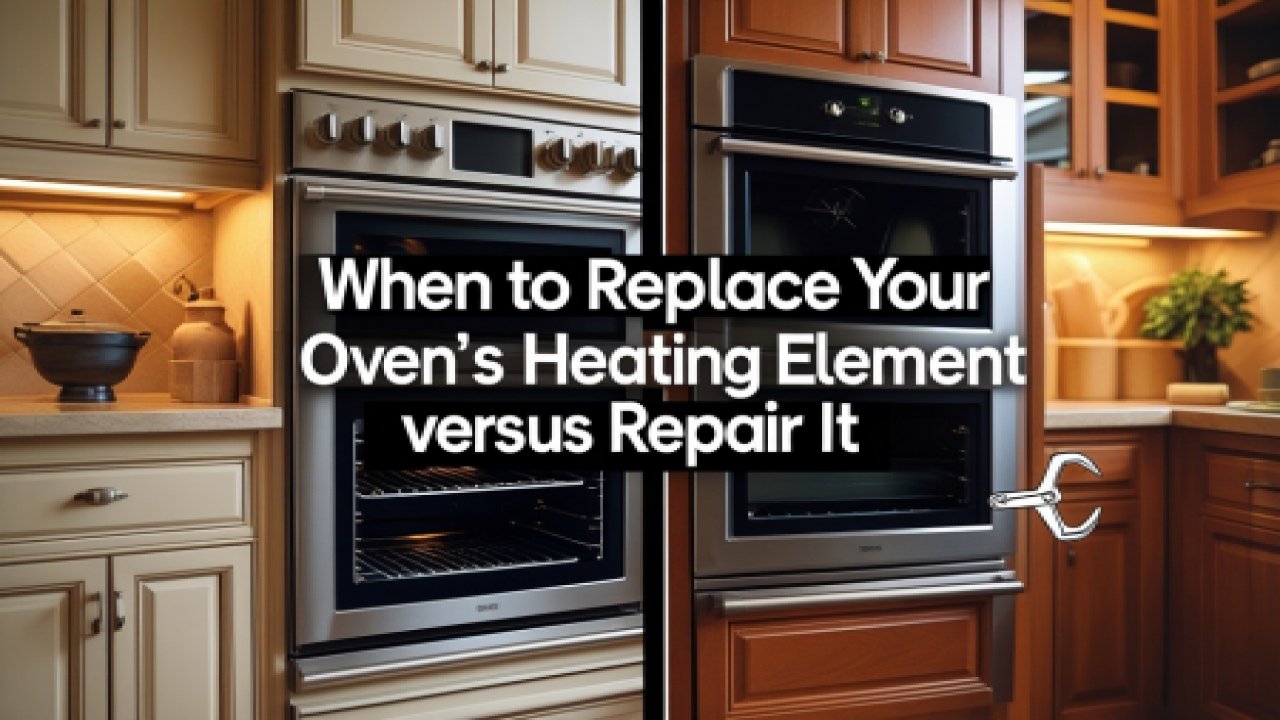
Hey everyone, welcome back to Appliance Helpers! Today, we’re tackling a common kitchen problem: a faulty oven heating element. If your oven isn’t heating properly, you might be wondering… should you repair the element, or is it time to replace it?
Stick around—we’ll walk through how to know the difference, and save you time and money.
Section 1: Signs of a Bad Heating Element.
First, let’s talk about the signs that your heating element is failing. Look for things like:
The oven not reaching the right temperature.
Uneven cooking or cold spots.
Visible damage, like blisters, burns, or breaks in the element.
Or the oven simply not heating at all.
Section 2: When Repair Might Be Possible.
Now, sometimes repair can be an option. For example, if the element connections are loose or corroded, tightening or cleaning them may solve the problem.
Another possibility is a tripped breaker or blown fuse—not the element itself. So always rule those out first.
Section 3: When You Should Replace It.
If the element is visibly cracked, blistered, or broken, it’s almost always best to replace it. Heating elements are relatively inexpensive and easy to install yourself. Plus, once they’ve physically failed, repairs won’t restore them.
In most cases, replacement is the safer and more reliable choice. Think of it like changing a light bulb—it’s better to swap it out than to try and fix it.
Section 4: How to Replace It.
Replacing a heating element is usually simple. Here’s the quick rundown:
Unplug your oven or shut off the breaker. Safety first.
Remove the mounting screws holding the element in place.
Gently pull it forward and disconnect the wires.
Connect the new element, secure it with screws, and restore power.
And that’s it—your oven should be good to go.
Section 5: Final Tips.
Here’s a good rule of thumb: if your heating element has minor issues like loose wiring, try a quick repair.
But if there’s visible damage or it’s just not working, replacing it is the way to go. Don’t waste time or money trying to patch something that won’t last.
So, that’s when to repair versus replace your oven’s heating element. If you found this video helpful, give it a like, and don’t forget to subscribe for more appliance tips and fixes. Drop your questions in the comments—we’re here to help. Thanks for watching Appliance Helpers, and we’ll see you in the next video!
Hey everyone, welcome back to Appliance Helpers! Today, we’re tackling a common kitchen problem: a faulty oven heating element. If your oven isn’t heating properly, you might be wondering… should you repair the element, or is it time to replace it?
Stick around—we’ll walk through how to know the difference, and save you time and money.
Section 1: Signs of a Bad Heating Element.
First, let’s talk about the signs that your heating element is failing. Look for things like:
The oven not reaching the right temperature.
Uneven cooking or cold spots.
Visible damage, like blisters, burns, or breaks in the element.
Or the oven simply not heating at all.
Section 2: When Repair Might Be Possible.
Now, sometimes repair can be an option. For example, if the element connections are loose or corroded, tightening or cleaning them may solve the problem.
Another possibility is a tripped breaker or blown fuse—not the element itself. So always rule those out first.
Section 3: When You Should Replace It.
If the element is visibly cracked, blistered, or broken, it’s almost always best to replace it. Heating elements are relatively inexpensive and easy to install yourself. Plus, once they’ve physically failed, repairs won’t restore them.
In most cases, replacement is the safer and more reliable choice. Think of it like changing a light bulb—it’s better to swap it out than to try and fix it.
Section 4: How to Replace It.
Replacing a heating element is usually simple. Here’s the quick rundown:
Unplug your oven or shut off the breaker. Safety first.
Remove the mounting screws holding the element in place.
Gently pull it forward and disconnect the wires.
Connect the new element, secure it with screws, and restore power.
And that’s it—your oven should be good to go.
Section 5: Final Tips.
Here’s a good rule of thumb: if your heating element has minor issues like loose wiring, try a quick repair.
But if there’s visible damage or it’s just not working, replacing it is the way to go. Don’t waste time or money trying to patch something that won’t last.
So, that’s when to repair versus replace your oven’s heating element. If you found this video helpful, give it a like, and don’t forget to subscribe for more appliance tips and fixes. Drop your questions in the comments—we’re here to help. Thanks for watching Appliance Helpers, and we’ll see you in the next video!
The Material Focus initiative for appliances recycling

Midea adds new robot vacuum to its intelligent cleaning product line for 2021

Need to buy a new appliance suite
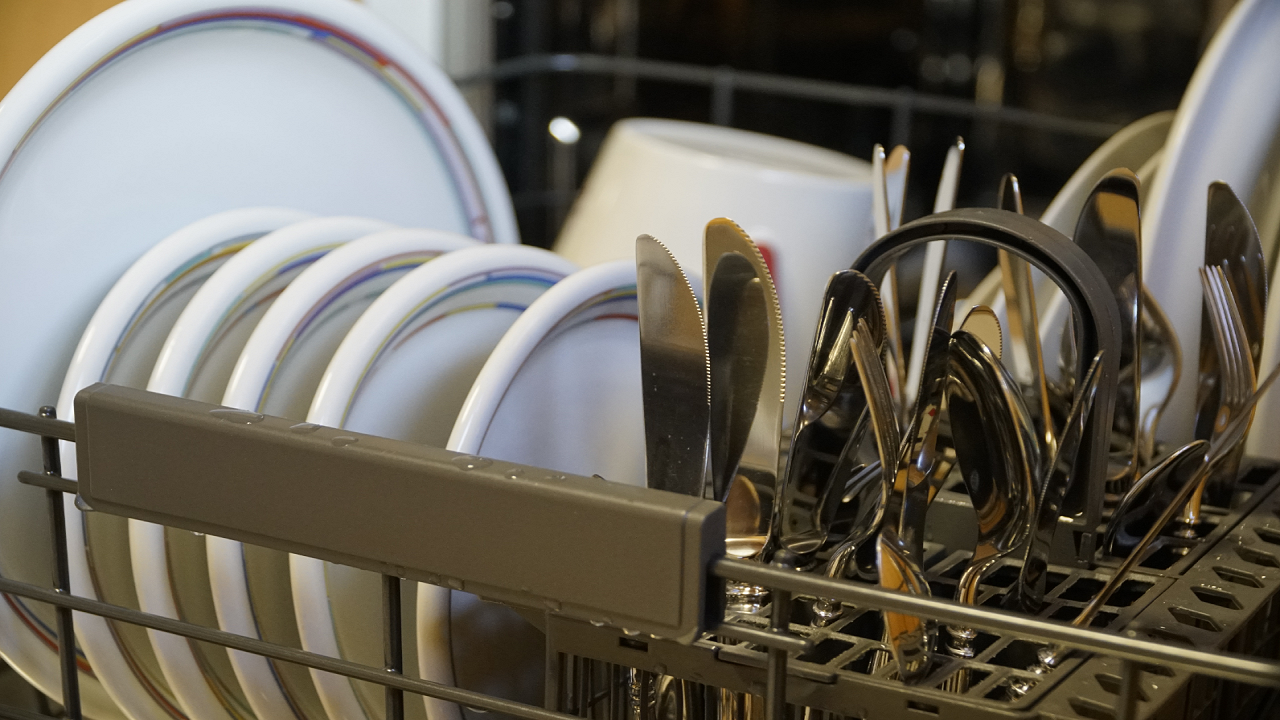
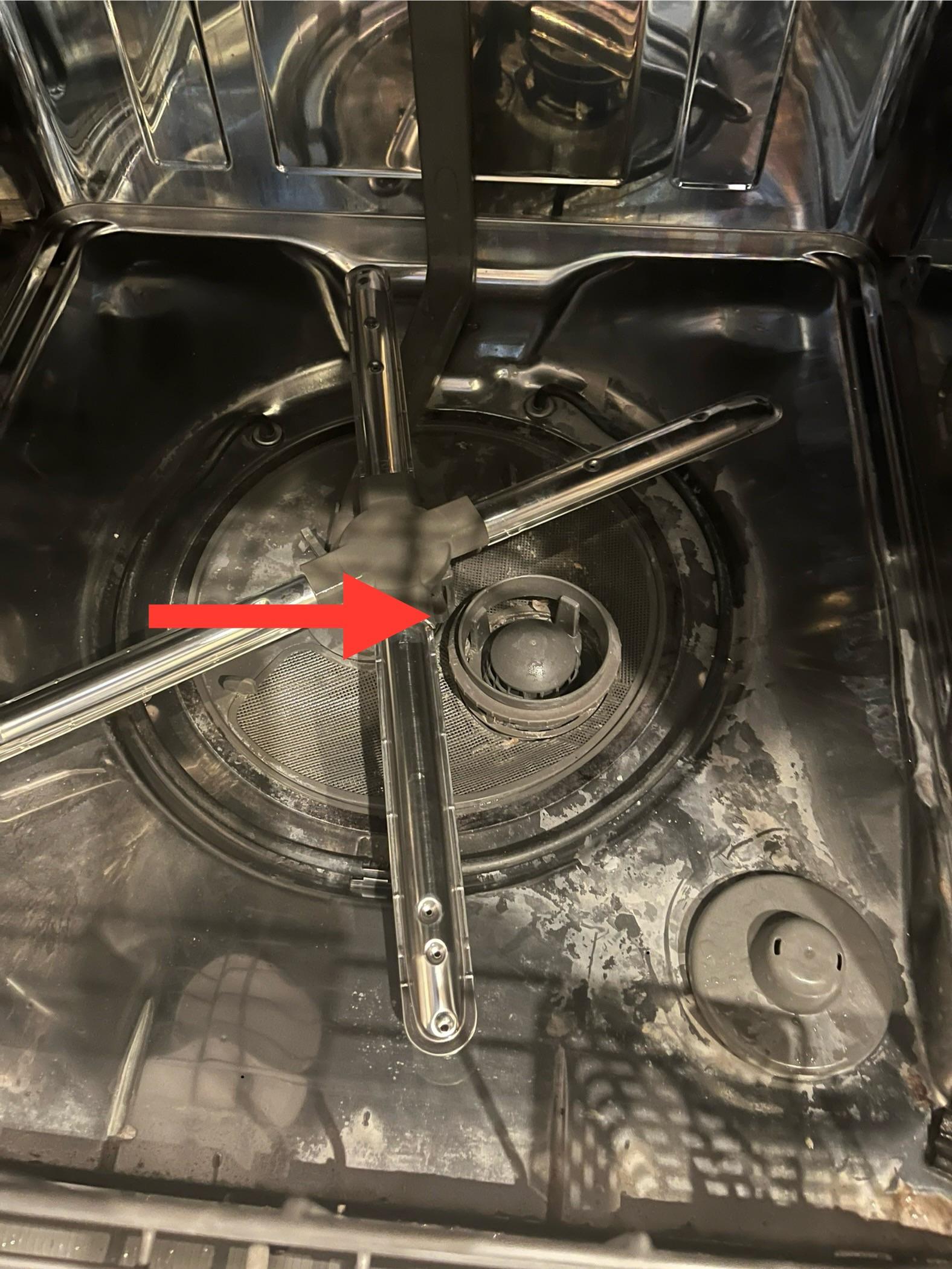
My in-laws dishwasher has the filter thing I have never had a dishwasher like this or seen one
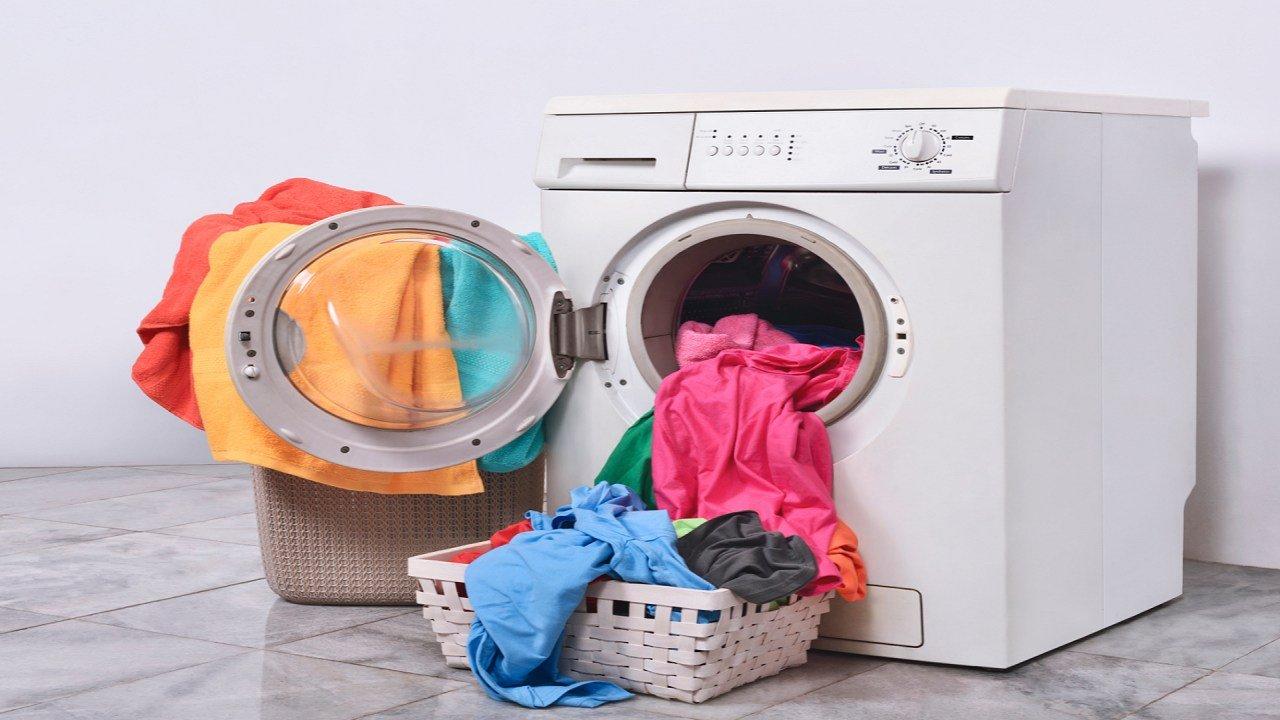
What is the average lifespan of a washing machine?
What kind of washer - dryer can I use?

Why is my dryer making unusual noises?
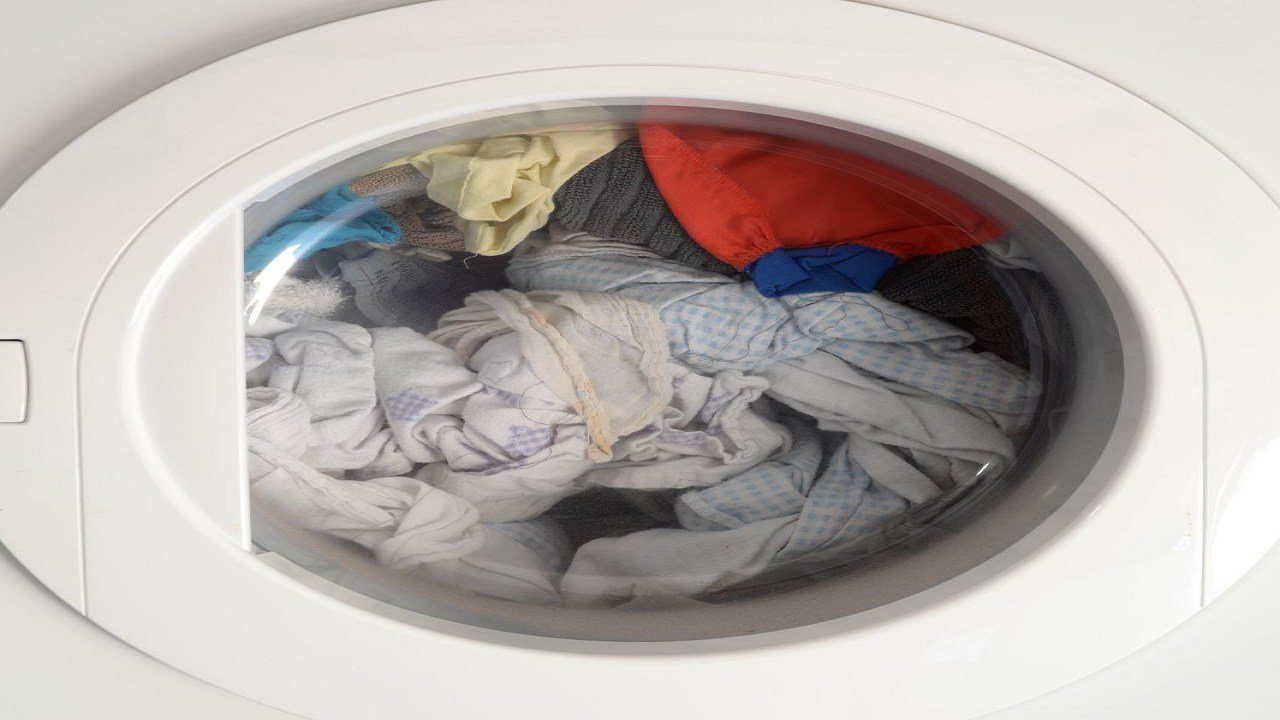
New gas range burners are uneven Is this normal?