

Appliance Types
- Air Conditioner
- Automobile
- Chainsaw
- Circular Saw
- Dishwasher
- Drills
- Dryer
- Drywall Screw Gun
- Furnace
- Gas Fireplace
- Gas Grill
- Gas Patio Heater
- Grinder
- Heat Pump
- Impact Driver
- Impact Wrench
- Microwave
- Nailer
- Orbital Sander
- Pool Heaters
- Powerwall
- Range
- Refrigerator
- Television
- Washer
- Water Heater
Appliance Brands
- A.O. Smith
- AccuCold
- Admiral Craft
- AGA
- Airrex
- Amana
- Ambiance
- American Range
- American Standard
- American Water Heaters
- Aquacal
- Armstrong
- Asko
- Avanti
- Avenlur
- Azure
- Beko
- Bellfires
- Bertazzoni
- Blackstone
- Blaze
- Blomberg
- BlueStar
- Bosch
- Bradford White
- Bromic
- Bryant
- Cafe
- Calcana
- Capital
- Carrier
- Char-Broil
- Char-Griller
- Chrysler
- Coates
- Coleman
- Comfortmaker
- Commercial Chef
- Continental
- Cosmo
- Cove
- Crown Verity
- Dacor
- Daikin
- Danby
- Danfoss
- DaVinci
- DCS
- Deco
- DeWALT
- Ducane
- Dyna-Glo
- Dyson
- EcoSmart
- Electrolux
- Element4
- Empava
- Equator
- Eurodib
- European Home
- Everdure
- Farberware
- Fhiaba
- FibroPool
- Fire Sense
- Fisher
- FiveStar
- Flare
- Flash Furniture
- Focus
- Ford
- Forno
- Forte
- Frigidaire
- Fulgor Milano
- Gaggenau
- GE
- General Motors
- GlowBrand
- Goodman
- Grundig
- GSW
- Haier
- Hayward
- Heatstar
- Heil
- Hestan
- Hisense
- Hitachi
- Hotpoint
- iio
- Ilve
- Impecca
- Ingignia
- Insignia
- JennAir
- John Wood
- Keeprite
- Kenmore
- Kenyon
- KitchenAid
- Kucht
- La Cornue
- Lennox
- LG
- Liebherr
- Lifetime
- Lion
- Luxaire
- Lynx
- Magic Chef
- Marvel
- Maytag
- McQuay
- MicroFridge
- Midea
- Miele
- Migali
- Monogram
- Montigo
- Mr Heater
- Napoleon
- Navien
- Nexgrill
- Noritz
- Panasonic
- Patio Comforts
- Payne
- Pentair
- Perlick
- PITT
- Premier
- Raypak
- Real Fyre
- Regency
- Reliance
- Rheem
- Rinnai
- Roma
- Ruud
- Saber
- Samsung
- Schwank
- Sharp
- Smeg
- Solas
- Sony
- Spartherm
- Speed Queen
- StaRite
- State Water Heaters
- Stiebel Eltron
- SubZero
- Summerset
- Summit
- SunGlo
- SunPak
- Sunpentown
- SunStar
- Superiore
- Takagi
- TCL
- TEC
- Tempstar
- Tesla
- Thermador
- Thor Kitchen
- Toshiba
- Town and Country
- Toyota
- Traeger
- Trane
- Twin Eagles
- U-Line
- Unique
- Vaillant Group
- Valor
- Verona
- Victory
- Viessmann
- Viking
- Vizio
- Weber
- Westinghouse
- Whirlpool
- Whynter
- York
- ZLINE
Article Categories
- Air Conditioners
- Appliance Care
- Appliance News
- Dishwasher News
- Drying Machines
- Furnaces
- Gas Fireplaces
- Microwaves
- Pool Heaters
- Refrigerators
- Stoves - Ranges
- Tips and Tricks
- Washing Machines
- Water Heaters
More Articles
The Cons About Tankless Water Heaters
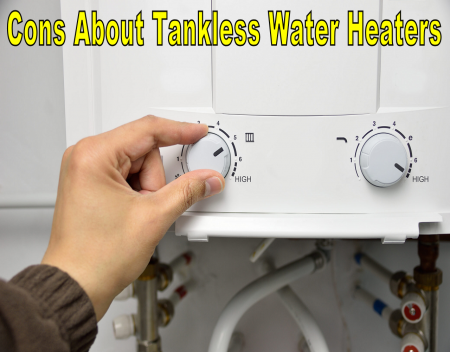
Tankless water heaters have been popular in many European countries for decades, but have been very slow to gain traction in North America. This has been especially true of Canada, due to our cold winter climates making it nearly impossible for tankless heaters to keep up. In recent years, however, many new natural gas-fueled models have been developed that can keep up against our much-dreaded winter cold. With these advances in heating efficiency, tankless water heaters are now a wise choice for consumers looking to cut down on their gas bills.
High Upfront Cost of the Unit and Installation
The biggest downside of tankless water heaters by far is the high upfront cost of the unit and installation.
According to HomeAdvisor, the average cost of a 40 to 50-gallon tank-style water heater including installation is $889. The average cost of a tankless water heater including installation is $3,000.
Tankless water heats are more expensive primarily due to higher installation costs. Often times, special wiring needs to be installed in order to handle the increased load and/or a new vent pipe needs to be installed.
Also, since tank-style heaters have been around longer and are more common, more professionals are capable of installing them and the labor costs are lower.
Additionally, hard water (water containing high levels of minerals) can cause tankless water heaters to work harder and eventually break down.
Due to this risk, some manufacturers require that you also install a water softening system, or the warranty is voided. Installing this additional component adds to the overall cost.
Take Longer to Deliver Hot Water
Another downside to tankless water heaters is the fact that they take longer to generate and deliver hot water compared to tank-style heaters.
Remember, tankless water heaters don't keep a supply of hot water ready to flow immediately when you need it.
When you turn on a hot water tap, the idle water in the pipes is cool or, at best, room temperature.
Once that cool water is flushed out, heated water comes through, however, it can take between a few seconds and a minute depending on the distance between the heater and the tap.
Tank-style heaters don't produce hot water instantly either but since they have a supply ready to go and don't need to kick on, it reaches the outlet more quickly.
Cold Water Sandwich
In researching tankless water heaters you've likely come across the term "cold water sandwich".
A cold water sandwich occurs when intermittent use of hot water causes you to feel an initial surge of hot water, followed by cold water, which quickly turns hot again.
When you turn the hot water off and on quickly, like you would when you're hand-washing dishes, the pipes have hot water in them from moments ago.
The short delay between when the water starts to flow and when the heater kicks on causes a short burst of cold water before turning hot.
The cold water sandwich sensation isn't a major issue but it can throw you off if you're not used to it.
Inconsistent Water Temperature When Multiple Appliances Are in Use
Earlier in this article, I talked about the scenario when your family comes home from a beach day and everyone needs to take a shower.
The benefit of tankless water heaters in that scenario is that your whole family can take showers back-to-back without worrying about running out of hot water.
The downside is that, if you have multiple showers running at the same time, tankless water heaters are not able to keep up.
This isn't just a problem with showers, depending on the size of your water heater, you can run into issues by having a shower and the dishwasher running at the same time.
When your shopping for tankless water heaters, the key metric you want to look at is flow rate.
Flow rate is the amount of water that a tankless unit can heat at a given time. It's measured in Gallons Per Minute or GPM, the higher the GPG, the more water can be heated at the same time.
Bottom line, tankless water heaters come in many different sizes with some equipped to handle households that use a ton of water to smaller units built for low water usage.
It's important to determine what you need for your household and buy the appropriate size heater. Just remember, if you run too many taps/showers/appliances at once and exceed the flow rate capacity of your water heater, the water won't be hot.
Difficult to Achieve a Lukewarm Temperature
One of the lesser-known downsides of tankless water heaters is that they have difficulty achieving a lukewarm water temperature.
Since tankless water heaters need a minimum amount of water flow before activating, there's a gap between completely cold water and the coolest warm water that you can create with a hot and cold water mix.
Not the end of the world since there are very few scenarios where you won't be able to reach the temperature you need, but it's worth mentioning if you're the type of person that really enjoys cool showers.
No Access to Hot Water During a Power Outage
When a storm comes and knocks out power in your home, it also knocks out the hot water.
Tankless water heaters can be powered by gas or electricity but even gas-powered tankless water heaters rely on an electric control panel to operate the system.
So, regardless of the type of tankless water heater you have, you'll be out of hot water in the event of a power outage.
This is an area where tank-style water heaters have a significant advantage over tankless. Regardless of the power source, the water stored in their tank will remain hot for several days.
Bottom Line: Is a Tankless Water Heater Worth It?
Tankless water heaters have several advantages over traditional tank-style water heaters. They save energy (and save you money), they provide unlimited hot water, they're small and compact, they never leak and don't contribute to harmful metals in your water.
Best of all, they last twice as long as tank-style water heaters.
On the flip side, you'll have to invest around $3000 upfront, they provide inconsistent water temperature in many situations, and leave you without any hot water during a power outage.
The best way to decide whether a tankless water heater is right for you is to audit your situation.
Here are some simple questions to ask yourself:
- Do you have $3000 to invest in an appliance that won't provide a return on your investment for several years?
- Is your house new construction or are you planning on staying in it for a long time (10+ years)?
- Do you often run out of hot water due to several showers back-to-back?
- Could you benefit from extra space in your basement (who couldn't?)?
If you answered "yes" to one or more of these questions, a tankless water heater might be right for you. If you answered "no" to one or more of these questions, especially, question #1, you should probably hold off and stick with a tank-style heater.
Source: Re-posted and Summarized from Andrew Palermo at prudent reviews.
Tankless water heaters have been popular in many European countries for decades, but have been very slow to gain traction in North America. This has been especially true of Canada, due to our cold winter climates making it nearly impossible for tankless heaters to keep up. In recent years, however, many new natural gas-fueled models have been developed that can keep up against our much-dreaded winter cold. With these advances in heating efficiency, tankless water heaters are now a wise choice for consumers looking to cut down on their gas bills.
High Upfront Cost of the Unit and Installation
The biggest downside of tankless water heaters by far is the high upfront cost of the unit and installation.
According to HomeAdvisor, the average cost of a 40 to 50-gallon tank-style water heater including installation is $889. The average cost of a tankless water heater including installation is $3,000.
Tankless water heats are more expensive primarily due to higher installation costs. Often times, special wiring needs to be installed in order to handle the increased load and/or a new vent pipe needs to be installed.
Also, since tank-style heaters have been around longer and are more common, more professionals are capable of installing them and the labor costs are lower.
Additionally, hard water (water containing high levels of minerals) can cause tankless water heaters to work harder and eventually break down.
Due to this risk, some manufacturers require that you also install a water softening system, or the warranty is voided. Installing this additional component adds to the overall cost.
Take Longer to Deliver Hot Water
Another downside to tankless water heaters is the fact that they take longer to generate and deliver hot water compared to tank-style heaters.
Remember, tankless water heaters don't keep a supply of hot water ready to flow immediately when you need it.
When you turn on a hot water tap, the idle water in the pipes is cool or, at best, room temperature.
Once that cool water is flushed out, heated water comes through, however, it can take between a few seconds and a minute depending on the distance between the heater and the tap.
Tank-style heaters don't produce hot water instantly either but since they have a supply ready to go and don't need to kick on, it reaches the outlet more quickly.
Cold Water Sandwich
In researching tankless water heaters you've likely come across the term "cold water sandwich".
A cold water sandwich occurs when intermittent use of hot water causes you to feel an initial surge of hot water, followed by cold water, which quickly turns hot again.
When you turn the hot water off and on quickly, like you would when you're hand-washing dishes, the pipes have hot water in them from moments ago.
The short delay between when the water starts to flow and when the heater kicks on causes a short burst of cold water before turning hot.
The cold water sandwich sensation isn't a major issue but it can throw you off if you're not used to it.
Inconsistent Water Temperature When Multiple Appliances Are in Use
Earlier in this article, I talked about the scenario when your family comes home from a beach day and everyone needs to take a shower.
The benefit of tankless water heaters in that scenario is that your whole family can take showers back-to-back without worrying about running out of hot water.
The downside is that, if you have multiple showers running at the same time, tankless water heaters are not able to keep up.
This isn't just a problem with showers, depending on the size of your water heater, you can run into issues by having a shower and the dishwasher running at the same time.
When your shopping for tankless water heaters, the key metric you want to look at is flow rate.
Flow rate is the amount of water that a tankless unit can heat at a given time. It's measured in Gallons Per Minute or GPM, the higher the GPG, the more water can be heated at the same time.
Bottom line, tankless water heaters come in many different sizes with some equipped to handle households that use a ton of water to smaller units built for low water usage.
It's important to determine what you need for your household and buy the appropriate size heater. Just remember, if you run too many taps/showers/appliances at once and exceed the flow rate capacity of your water heater, the water won't be hot.
Difficult to Achieve a Lukewarm Temperature
One of the lesser-known downsides of tankless water heaters is that they have difficulty achieving a lukewarm water temperature.
Since tankless water heaters need a minimum amount of water flow before activating, there's a gap between completely cold water and the coolest warm water that you can create with a hot and cold water mix.
Not the end of the world since there are very few scenarios where you won't be able to reach the temperature you need, but it's worth mentioning if you're the type of person that really enjoys cool showers.
No Access to Hot Water During a Power Outage
When a storm comes and knocks out power in your home, it also knocks out the hot water.
Tankless water heaters can be powered by gas or electricity but even gas-powered tankless water heaters rely on an electric control panel to operate the system.
So, regardless of the type of tankless water heater you have, you'll be out of hot water in the event of a power outage.
This is an area where tank-style water heaters have a significant advantage over tankless. Regardless of the power source, the water stored in their tank will remain hot for several days.
Bottom Line: Is a Tankless Water Heater Worth It?
Tankless water heaters have several advantages over traditional tank-style water heaters. They save energy (and save you money), they provide unlimited hot water, they're small and compact, they never leak and don't contribute to harmful metals in your water.
Best of all, they last twice as long as tank-style water heaters.
On the flip side, you'll have to invest around $3000 upfront, they provide inconsistent water temperature in many situations, and leave you without any hot water during a power outage.
The best way to decide whether a tankless water heater is right for you is to audit your situation.
Here are some simple questions to ask yourself:
- Do you have $3000 to invest in an appliance that won't provide a return on your investment for several years?
- Is your house new construction or are you planning on staying in it for a long time (10+ years)?
- Do you often run out of hot water due to several showers back-to-back?
- Could you benefit from extra space in your basement (who couldn't?)?
If you answered "yes" to one or more of these questions, a tankless water heater might be right for you. If you answered "no" to one or more of these questions, especially, question #1, you should probably hold off and stick with a tank-style heater.
Source: Re-posted and Summarized from Andrew Palermo at prudent reviews.
WHILE running, does a ductless AC use the same amount of energy, regardless of how low you set it?
My miele washing machine sucks
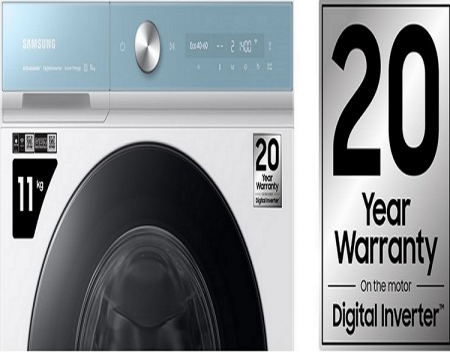
Samsung offers 20-year warranty for digital inverter technology
Who to trust? Consumer Reports, or a very experienced repair guy?
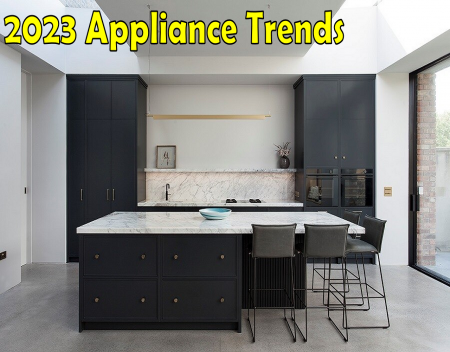
Fisher and Paykel says slow living will dominate appliance trends in 2023
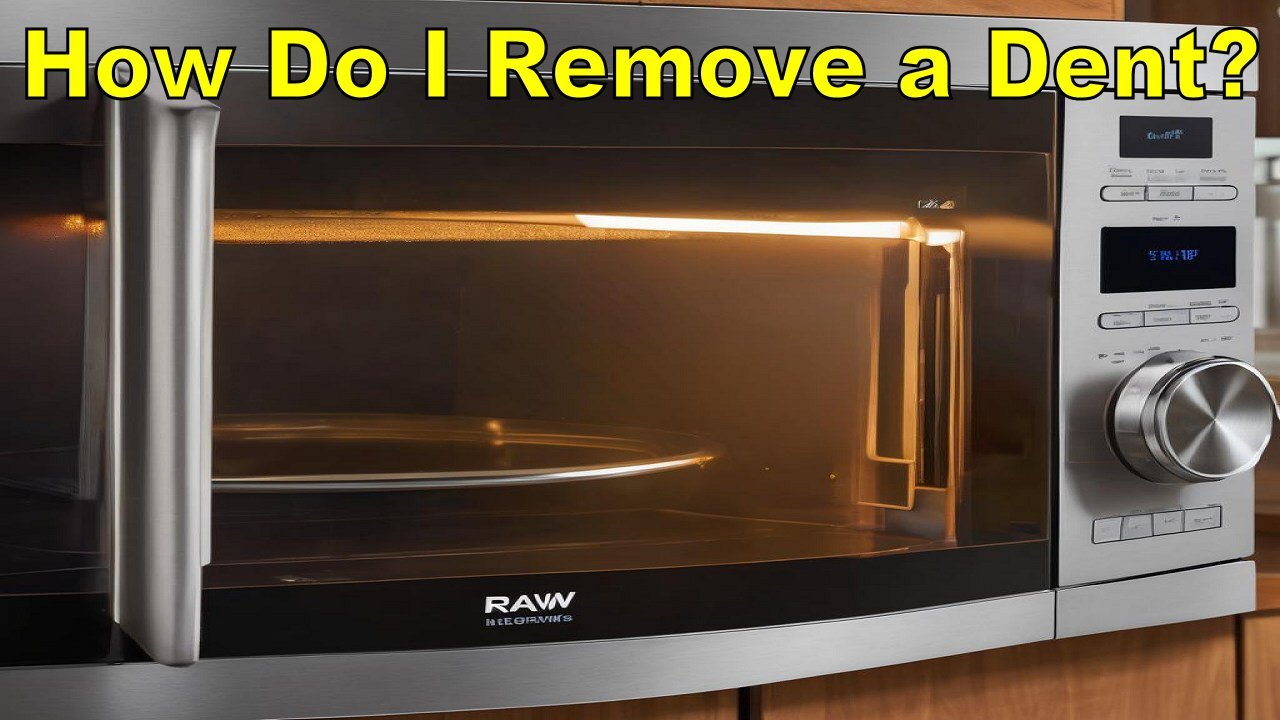
How Do I Remove a Dent From My Stainless Steel Microwave?
Over 200 companies support Matter to connect smart homes
7 Ways to Save Energy and Cut Air Conditioning Costs this Summer

6 Common Causes for a Whirlpool Dryer Not Starting
The Re program of Samsung Brazil