

Appliance Types
- Air Conditioner
- Automobile
- Chainsaw
- Circular Saw
- Dishwasher
- Drills
- Dryer
- Drywall Screw Gun
- Furnace
- Gas Fireplace
- Gas Grill
- Gas Patio Heater
- Grinder
- Heat Pump
- Impact Driver
- Impact Wrench
- Microwave
- Nailer
- Orbital Sander
- Pool Heaters
- Powerwall
- Range
- Refrigerator
- Television
- Washer
- Water Heater
Appliance Brands
- A.O. Smith
- AccuCold
- Admiral Craft
- AGA
- Airrex
- Amana
- Ambiance
- American Range
- American Standard
- American Water Heaters
- Aquacal
- Armstrong
- Asko
- Avanti
- Avenlur
- Azure
- Beko
- Bellfires
- Bertazzoni
- Blackstone
- Blaze
- Blomberg
- BlueStar
- Bosch
- Bradford White
- Bromic
- Bryant
- Cafe
- Calcana
- Capital
- Carrier
- Char-Broil
- Char-Griller
- Chrysler
- Coates
- Coleman
- Comfortmaker
- Commercial Chef
- Continental
- Cosmo
- Cove
- Crown Verity
- Dacor
- Daikin
- Danby
- Danfoss
- DaVinci
- DCS
- Deco
- DeWALT
- Ducane
- Dyna-Glo
- Dyson
- EcoSmart
- Electrolux
- Element4
- Empava
- Equator
- Eurodib
- European Home
- Everdure
- Farberware
- Fhiaba
- FibroPool
- Fire Sense
- Fisher
- FiveStar
- Flare
- Flash Furniture
- Focus
- Ford
- Forno
- Forte
- Frigidaire
- Fulgor Milano
- Gaggenau
- GE
- General Motors
- GlowBrand
- Goodman
- Grundig
- GSW
- Haier
- Hayward
- Heatstar
- Heil
- Hestan
- Hisense
- Hitachi
- Hotpoint
- iio
- Ilve
- Impecca
- Ingignia
- Insignia
- JennAir
- John Wood
- Keeprite
- Kenmore
- Kenyon
- KitchenAid
- Kucht
- La Cornue
- Lennox
- LG
- Liebherr
- Lifetime
- Lion
- Luxaire
- Lynx
- Magic Chef
- Marvel
- Maytag
- McQuay
- MicroFridge
- Midea
- Miele
- Migali
- Monogram
- Montigo
- Mr Heater
- Napoleon
- Navien
- Nexgrill
- Noritz
- Panasonic
- Patio Comforts
- Payne
- Pentair
- Perlick
- PITT
- Premier
- Raypak
- Real Fyre
- Regency
- Reliance
- Rheem
- Rinnai
- Roma
- Ruud
- Saber
- Samsung
- Schwank
- Sharp
- Smeg
- Solas
- Sony
- Spartherm
- Speed Queen
- StaRite
- State Water Heaters
- Stiebel Eltron
- SubZero
- Summerset
- Summit
- SunGlo
- SunPak
- Sunpentown
- SunStar
- Superiore
- Takagi
- TCL
- TEC
- Tempstar
- Tesla
- Thermador
- Thor Kitchen
- Toshiba
- Town and Country
- Toyota
- Traeger
- Trane
- Twin Eagles
- U-Line
- Unique
- Vaillant Group
- Valor
- Verona
- Victory
- Viessmann
- Viking
- Vizio
- Weber
- Westinghouse
- Whirlpool
- Whynter
- York
- ZLINE
Article Categories
- Air Conditioners
- Appliance Care
- Appliance News
- Dishwasher News
- Drying Machines
- Furnaces
- Gas Fireplaces
- Microwaves
- Pool Heaters
- Refrigerators
- Stoves - Ranges
- Tips and Tricks
- Washing Machines
- Water Heaters
More Articles
GE Dryer overheating
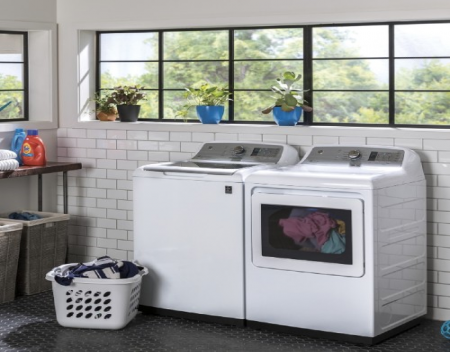
GE Dryer overheating.
Heating Element.
The heating element warms the air before the air enters the dryer drum. If the element is partially shorted out, it may produce heat continuously, even if the dryer has reached the proper temperature. When this happens, the dryer gets too hot. To determine if the heating element is at fault, use a multimeter to test each terminal for continuity to the case. If the heating element has continuity to the case, it is shorted out. If the heating element is shorted out, replace it.
Heating Element Assembly.
The heating element warms the air as it passes over the element. If the element is partially shorted out, it may produce heat continuously, even if the dryer has reached the proper temperature. When this happens, the dryer gets too hot. To determine if the heating element is at fault, first use a multimeter to test the heating element for continuity. If the heating element does not have continuity, replace it. Next, test for continuity from each terminal to the case. If the heating element has continuity to the case, it is shorted out. If the heating element is shorted out, replace it.
Air Flow Problem.
If the vent is clogged or partially clogged, it will restrict the airflow through the dryer, substantially increasing the drying time. To ensure proper dryer performance, you should clean your dryer’s venting system at least once per year.
Cycling Thermostat.
The cycling thermostat cycles the heat on and off to maintain the proper air temperature. If the thermostat is defective, it may keep the heat on too long, causing the dryer to get too hot. However, this is rarely the case. Before replacing the cycling thermostat check all the more commonly defective parts. If you have determined that all of the other components are working properly, test the thermostat by using a multimeter to test it for continuity. If the thermostat does not have continuity, replace it.
Felt Seal.
Most dryers have a felt seal at the front and rear of the drum to prevent heat from escaping the drum. If the seal is worn out or missing, the heat will not be drawn through the drum properly, causing the dryer to get too hot. Check the drum seal to ensure that it is creating a reliable seal around the drum. However, this is rarely the case. Before replacing the felt seal check all the more commonly defective parts. If you have determined that all of the other components are working properly, replace the felt seal.
Blower Wheel.
The blower wheel works with the drive motor to draw air into the dryer drum. Clumps of lint, socks and small articles of clothing can escape the lint filter and get caught in the blower wheel. In addition, the blower wheel sleeve can wear out, allowing the blower wheel to wobble on the motor shaft. If the blower wheel is obstructed or defective, the dryer may get too hot. To determine if the blower wheel is working properly, remove the dryer vent and assess the strength of the airflow. If the airflow is weak, check the blower wheel for obstructions. If no obstructions are present, try rotating the blower wheel by hand. If the blower wheel wobbles as it turns, replace it.
GE Dryer overheating.
Heating Element.
The heating element warms the air before the air enters the dryer drum. If the element is partially shorted out, it may produce heat continuously, even if the dryer has reached the proper temperature. When this happens, the dryer gets too hot. To determine if the heating element is at fault, use a multimeter to test each terminal for continuity to the case. If the heating element has continuity to the case, it is shorted out. If the heating element is shorted out, replace it.
Heating Element Assembly.
The heating element warms the air as it passes over the element. If the element is partially shorted out, it may produce heat continuously, even if the dryer has reached the proper temperature. When this happens, the dryer gets too hot. To determine if the heating element is at fault, first use a multimeter to test the heating element for continuity. If the heating element does not have continuity, replace it. Next, test for continuity from each terminal to the case. If the heating element has continuity to the case, it is shorted out. If the heating element is shorted out, replace it.
Air Flow Problem.
If the vent is clogged or partially clogged, it will restrict the airflow through the dryer, substantially increasing the drying time. To ensure proper dryer performance, you should clean your dryer’s venting system at least once per year.
Cycling Thermostat.
The cycling thermostat cycles the heat on and off to maintain the proper air temperature. If the thermostat is defective, it may keep the heat on too long, causing the dryer to get too hot. However, this is rarely the case. Before replacing the cycling thermostat check all the more commonly defective parts. If you have determined that all of the other components are working properly, test the thermostat by using a multimeter to test it for continuity. If the thermostat does not have continuity, replace it.
Felt Seal.
Most dryers have a felt seal at the front and rear of the drum to prevent heat from escaping the drum. If the seal is worn out or missing, the heat will not be drawn through the drum properly, causing the dryer to get too hot. Check the drum seal to ensure that it is creating a reliable seal around the drum. However, this is rarely the case. Before replacing the felt seal check all the more commonly defective parts. If you have determined that all of the other components are working properly, replace the felt seal.
Blower Wheel.
The blower wheel works with the drive motor to draw air into the dryer drum. Clumps of lint, socks and small articles of clothing can escape the lint filter and get caught in the blower wheel. In addition, the blower wheel sleeve can wear out, allowing the blower wheel to wobble on the motor shaft. If the blower wheel is obstructed or defective, the dryer may get too hot. To determine if the blower wheel is working properly, remove the dryer vent and assess the strength of the airflow. If the airflow is weak, check the blower wheel for obstructions. If no obstructions are present, try rotating the blower wheel by hand. If the blower wheel wobbles as it turns, replace it.
Do microwave ovens lose power as they age?
Running Appliances Overnight Poses Several Safety Risks
Ranges Troubleshooting: Noises And Door Issues
Amdea will take part to the Retra conference

What is the average lifespan of a washing machine?
My beautiful laundry global market growth continues
My Washing Machine is Making a Loud Noise, What Should I Do?
SEB Group doubles production area at French Krampouz site