

Appliance Types
- Air Conditioner
- Automobile
- Chainsaw
- Circular Saw
- Dishwasher
- Drills
- Dryer
- Drywall Screw Gun
- Furnace
- Gas Fireplace
- Gas Grill
- Gas Patio Heater
- Grinder
- Heat Pump
- Impact Driver
- Impact Wrench
- Microwave
- Nailer
- Orbital Sander
- Pool Heaters
- Powerwall
- Range
- Refrigerator
- Television
- Washer
- Water Heater
Appliance Brands
- A.O. Smith
- AccuCold
- Admiral Craft
- AGA
- Airrex
- Amana
- Ambiance
- American Range
- American Standard
- American Water Heaters
- Aquacal
- Armstrong
- Asko
- Avanti
- Avenlur
- Azure
- Beko
- Bellfires
- Bertazzoni
- Blackstone
- Blaze
- Blomberg
- BlueStar
- Bosch
- Bradford White
- Bromic
- Bryant
- Cafe
- Calcana
- Capital
- Carrier
- Char-Broil
- Char-Griller
- Chrysler
- Coates
- Coleman
- Comfortmaker
- Commercial Chef
- Continental
- Cosmo
- Cove
- Crown Verity
- Dacor
- Daikin
- Danby
- Danfoss
- DaVinci
- DCS
- Deco
- DeWALT
- Ducane
- Dyna-Glo
- Dyson
- EcoSmart
- Electrolux
- Element4
- Empava
- Equator
- Eurodib
- European Home
- Everdure
- Farberware
- Fhiaba
- FibroPool
- Fire Sense
- Fisher
- FiveStar
- Flare
- Flash Furniture
- Focus
- Ford
- Forno
- Forte
- Frigidaire
- Fulgor Milano
- Gaggenau
- GE
- General Motors
- GlowBrand
- Goodman
- Grundig
- GSW
- Haier
- Hayward
- Heatstar
- Heil
- Hestan
- Hisense
- Hitachi
- Hotpoint
- iio
- Ilve
- Impecca
- Ingignia
- Insignia
- JennAir
- John Wood
- Keeprite
- Kenmore
- Kenyon
- KitchenAid
- Kucht
- La Cornue
- Lennox
- LG
- Liebherr
- Lifetime
- Lion
- Luxaire
- Lynx
- Magic Chef
- Marvel
- Maytag
- McQuay
- MicroFridge
- Midea
- Miele
- Migali
- Monogram
- Montigo
- Mr Heater
- Napoleon
- Navien
- Nexgrill
- Noritz
- Panasonic
- Patio Comforts
- Payne
- Pentair
- Perlick
- PITT
- Premier
- Raypak
- Real Fyre
- Regency
- Reliance
- Rheem
- Rinnai
- Roma
- Ruud
- Saber
- Samsung
- Schwank
- Sharp
- Smeg
- Solas
- Sony
- Spartherm
- Speed Queen
- StaRite
- State Water Heaters
- Stiebel Eltron
- SubZero
- Summerset
- Summit
- SunGlo
- SunPak
- Sunpentown
- SunStar
- Superiore
- Takagi
- TCL
- TEC
- Tempstar
- Tesla
- Thermador
- Thor Kitchen
- Toshiba
- Town and Country
- Toyota
- Traeger
- Trane
- Twin Eagles
- U-Line
- Unique
- Vaillant Group
- Valor
- Verona
- Victory
- Viessmann
- Viking
- Vizio
- Weber
- Westinghouse
- Whirlpool
- Whynter
- York
- ZLINE
Article Categories
- Air Conditioners
- Appliance Care
- Appliance News
- Dishwasher News
- Drying Machines
- Furnaces
- Gas Fireplaces
- Microwaves
- Pool Heaters
- Refrigerators
- Stoves - Ranges
- Tips and Tricks
- Washing Machines
- Water Heaters
More Articles
Fridge Making Rattling Noise
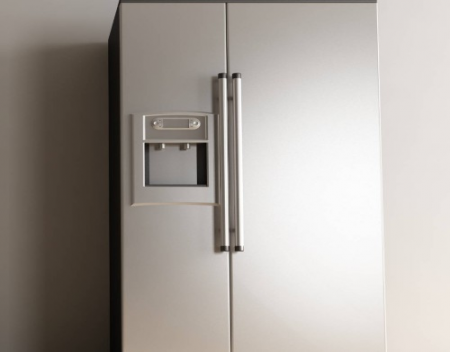
If your refrigerator is making a rattling noise, it could be part of normal operations caused by the compressor or condenser fan. However, if the rattling noise is excessive and irritating, the rattling is most likely caused by either the drain pan, condenser fan blades, defrost timer or compressor.
Drain Pan
The drain pan or water tray collects condensation and water that drips off the condenser coils. The water in the drain pan evaporates thanks to the warmth of the compressor motor and condenser coils. If the rattling is coming from the bottom of the refrigerator, it may be caused by the drain pan.
Over time, the vibration of the refrigerator can dislodge the drain pan and cause it to rattle. The drain pan’s supports can also wear and cause the issue. If the drain pan is causing the issue, it is reasonably easy to fix; simply reposition the drain pan. Also, check that the supports are not bent or damaged. The drain pan is located at the bottom of the refrigerator, usually accessible by removing the front grille.
Condenser Fan Blades
The refrigerator’s condenser fan uses outside air to cool the condenser coils and the compressor. Located at ground level on most refrigerators, the condenser fan can become covered in dust and debris that cause a rattling or buzzing sound. If the condenser fan and coils become covered in dust and debris, the refrigerator temperature will often be warmer than usual, and the refrigerator may be turning off regularly.
The condenser fan and coils should be cleaned every six months to a year. To access the condenser fan, you will need to pull the fridge out and remove the rear access panel. If your refrigerator has condenser coils on the back of the refrigerator, it most likely does not have a condenser fan.
To check the condenser fan:
Disconnect the refrigerator from the power source.
Move the fridge out so that you can access the rear access panel.
If there is an ice maker in the refrigerator, the water supply line may need to be disconnected to access the rear access panel. Make sure the water supply is turned off.
Unscrew the rear access panel and locate the condenser fan.
Clean the condenser fan. A vacuum cleaner with a brush attachment or a condenser coil cleaning brush can be used to clean the condenser coils.
Check the fan blades for damage. If the blade is damaged, it should be replaced.
Rotate the fan blade. If it cannot turn freely, the motor is likely defective and will need to be replaced.
Check that the fan blade is not loose or scraping against a panel or bracket and causing the rattling sound.
Check the fan motor grommet for signs of wear and tear that may be causing the rattling sound. Replace a worn-out grommet.
Defrost Timer Motor.
The defrost timer in your refrigerator shuts off the compressor and evaporator fan motors to rid the refrigerator of frost. It works by opening and closing internal contacts that control the electric current flowing to the compressor and the defrost heating elements.
Over time, the defrost motor that operates the timer may start making a rattling sound. If the motor is failing, it may also make a scraping or ticking sound and cause a buildup of frost on the evaporator coils. If the defrost timer is causing the rattling, it will need to be replaced to solve the issue.
Depending on the model, the defrost timer can be located in several different locations. On most refrigerators, you will need to access the temperature or thermostat control box inside the refrigerator. On other models, it may be behind the control panel or require the bottom kick plate to be removed. Check the refrigerator’s manual for the location of the defrost timer for your specific model. Make sure to disconnect the refrigerator from the power source before accessing the defrost timer.
The defrost timer can be tested with a multimeter. However, it can be a complicated procedure, which will depend on whether you have an adaptive defrost control board or a manual defrost timer. Therefore, the test is best left to a trained professional.
SOURCE: authorizedco.com
If your refrigerator is making a rattling noise, it could be part of normal operations caused by the compressor or condenser fan. However, if the rattling noise is excessive and irritating, the rattling is most likely caused by either the drain pan, condenser fan blades, defrost timer or compressor.
Drain Pan
The drain pan or water tray collects condensation and water that drips off the condenser coils. The water in the drain pan evaporates thanks to the warmth of the compressor motor and condenser coils. If the rattling is coming from the bottom of the refrigerator, it may be caused by the drain pan.
Over time, the vibration of the refrigerator can dislodge the drain pan and cause it to rattle. The drain pan’s supports can also wear and cause the issue. If the drain pan is causing the issue, it is reasonably easy to fix; simply reposition the drain pan. Also, check that the supports are not bent or damaged. The drain pan is located at the bottom of the refrigerator, usually accessible by removing the front grille.
Condenser Fan Blades
The refrigerator’s condenser fan uses outside air to cool the condenser coils and the compressor. Located at ground level on most refrigerators, the condenser fan can become covered in dust and debris that cause a rattling or buzzing sound. If the condenser fan and coils become covered in dust and debris, the refrigerator temperature will often be warmer than usual, and the refrigerator may be turning off regularly.
The condenser fan and coils should be cleaned every six months to a year. To access the condenser fan, you will need to pull the fridge out and remove the rear access panel. If your refrigerator has condenser coils on the back of the refrigerator, it most likely does not have a condenser fan.
To check the condenser fan:
Disconnect the refrigerator from the power source.
Move the fridge out so that you can access the rear access panel.
If there is an ice maker in the refrigerator, the water supply line may need to be disconnected to access the rear access panel. Make sure the water supply is turned off.
Unscrew the rear access panel and locate the condenser fan.
Clean the condenser fan. A vacuum cleaner with a brush attachment or a condenser coil cleaning brush can be used to clean the condenser coils.
Check the fan blades for damage. If the blade is damaged, it should be replaced.
Rotate the fan blade. If it cannot turn freely, the motor is likely defective and will need to be replaced.
Check that the fan blade is not loose or scraping against a panel or bracket and causing the rattling sound.
Check the fan motor grommet for signs of wear and tear that may be causing the rattling sound. Replace a worn-out grommet.
Defrost Timer Motor.
The defrost timer in your refrigerator shuts off the compressor and evaporator fan motors to rid the refrigerator of frost. It works by opening and closing internal contacts that control the electric current flowing to the compressor and the defrost heating elements.
Over time, the defrost motor that operates the timer may start making a rattling sound. If the motor is failing, it may also make a scraping or ticking sound and cause a buildup of frost on the evaporator coils. If the defrost timer is causing the rattling, it will need to be replaced to solve the issue.
Depending on the model, the defrost timer can be located in several different locations. On most refrigerators, you will need to access the temperature or thermostat control box inside the refrigerator. On other models, it may be behind the control panel or require the bottom kick plate to be removed. Check the refrigerator’s manual for the location of the defrost timer for your specific model. Make sure to disconnect the refrigerator from the power source before accessing the defrost timer.
The defrost timer can be tested with a multimeter. However, it can be a complicated procedure, which will depend on whether you have an adaptive defrost control board or a manual defrost timer. Therefore, the test is best left to a trained professional.
SOURCE: authorizedco.com
Elmira Stove Works Acquired By Plaintree Systems, Now Under Leadership Of David Watson

How Do I Remove a Dent From My Stainless Steel Refrigerator?
Stopping Cross-Contamination in the Refrigerator
Why Is My Dishwasher Leaking (and What You Can Do About It)
The new SlimTech™ insulation by Whirlpool
What is this big magnet in the Samsung washer?
Thermador Cooktop & Custom Insert Advice
Using just one dishwasher pod leaves sediment
Dryer has a 240V plug, but we only have access to two 120V outlets Is there a safe solution?