


Appliance Types
- Air Conditioner
- Automobile
- Chainsaw
- Circular Saw
- Dishwasher
- Drills
- Dryer
- Drywall Screw Gun
- Furnace
- Gas Fireplace
- Gas Grill
- Gas Patio Heater
- Grinder
- Heat Pump
- Impact Driver
- Impact Wrench
- Microwave
- Nailer
- Orbital Sander
- Pool Heaters
- Powerwall
- Range
- Refrigerator
- Television
- Washer
- Water Heater
Appliance Brands
- A.O. Smith
- AccuCold
- Admiral Craft
- AGA
- Airrex
- Amana
- Ambiance
- American Range
- American Standard
- American Water Heaters
- Aquacal
- Armstrong
- Asko
- Avanti
- Avenlur
- Azure
- Beko
- Bellfires
- Bertazzoni
- Blackstone
- Blaze
- Blomberg
- BlueStar
- Bosch
- Bradford White
- Bromic
- Bryant
- Cafe
- Calcana
- Capital
- Carrier
- Char-Broil
- Char-Griller
- Chrysler
- Coates
- Coleman
- Comfortmaker
- Commercial Chef
- Continental
- Cosmo
- Cove
- Crown Verity
- Dacor
- Daikin
- Danby
- Danfoss
- DaVinci
- DCS
- Deco
- DeWALT
- Ducane
- Dyna-Glo
- Dyson
- EcoSmart
- Electrolux
- Element4
- Empava
- Equator
- Eurodib
- European Home
- Everdure
- Farberware
- Fhiaba
- FibroPool
- Fire Sense
- Fisher
- FiveStar
- Flare
- Flash Furniture
- Focus
- Ford
- Forno
- Forte
- Frigidaire
- Fulgor Milano
- Gaggenau
- GE
- General Motors
- GlowBrand
- Goodman
- Grundig
- GSW
- Haier
- Hayward
- Heatstar
- Heil
- Hestan
- Hisense
- Hitachi
- Hotpoint
- iio
- Ilve
- Impecca
- Ingignia
- Insignia
- JennAir
- John Wood
- Keeprite
- Kenmore
- Kenyon
- KitchenAid
- Kucht
- La Cornue
- Lennox
- LG
- Liebherr
- Lifetime
- Lion
- Luxaire
- Lynx
- Magic Chef
- Marvel
- Maytag
- McQuay
- MicroFridge
- Midea
- Miele
- Migali
- Monogram
- Montigo
- Mr Heater
- Napoleon
- Navien
- Nexgrill
- Noritz
- Panasonic
- Patio Comforts
- Payne
- Pentair
- Perlick
- PITT
- Premier
- Raypak
- Real Fyre
- Regency
- Reliance
- Rheem
- Rinnai
- Roma
- Ruud
- Saber
- Samsung
- Schwank
- Sharp
- Smeg
- Solas
- Sony
- Spartherm
- Speed Queen
- StaRite
- State Water Heaters
- Stiebel Eltron
- SubZero
- Summerset
- Summit
- SunGlo
- SunPak
- Sunpentown
- SunStar
- Superiore
- Takagi
- TCL
- TEC
- Tempstar
- Tesla
- Thermador
- Thor Kitchen
- Toshiba
- Town and Country
- Toyota
- Traeger
- Trane
- Twin Eagles
- U-Line
- Unique
- Vaillant Group
- Valor
- Verona
- Victory
- Viessmann
- Viking
- Vizio
- Weber
- Westinghouse
- Whirlpool
- Whynter
- York
- ZLINE
Article Categories
- Air Conditioners
- Appliance Care
- Appliance News
- Dishwasher News
- Drying Machines
- Furnaces
- Gas Fireplaces
- Microwaves
- Pool Heaters
- Refrigerators
- Stoves - Ranges
- Tips and Tricks
- Washing Machines
- Water Heaters
More Articles
Reasons Your Microwave Might Be Sparking
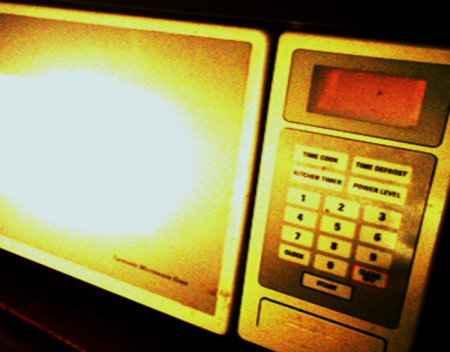
Unlike traditional ovens, which work through convection, microwave ovens heat food through electromagnetic waves which are known as microwaves. Most of the time, these are perfectly safe. However, in certain situations, these electromagnetic waves can turn into electricity. That’s when you start to see sparks in the microwave.
Luckily, there are only a few reasons why that would happen. Most of them are relatively easy to fix, too.
Metal in the Microwave.
Never put metal in the microwave! You’ve probably heard that before, but you may not know why. Well, metal and electromagnetic waves don’t get along well. When metal goes into the microwave, it creates sparks – lots of them. The electromagnetic waves get turned back into electricity, causing a serious light show.
If your microwave is sparking when it runs, the most likely reason is that there’s metal inside. You may have left your spoon in your coffee or some tin foil on your leftovers. Even a small scrap of steel wool left after cleaning can lead to sparking.
Broken Waveguide Cover.
This is a little more technical. When the unit makes the microwaves that cook your food, it projects them through a little panel known as a waveguide. When the waveguide cover is broken, your microwave is in trouble.
The waveguide cover is in place to protect the electronics in the microwave oven. With a broken waveguide cover, steam and even food particles can build up in the electronics. If you notice sparking coming from a panel in your microwave, a broken waveguide cover is probably the cause.
Faulty Diode.
Faulty diodes are the least likely reason that your microwave is sparking, but they’re also the worst.
Your microwave uses diodes to create the waves and cook your food. If you have one or more faulty diodes, you’ll start to see sparks. Your microwave will probably stop working shortly afterward, too.
Grapes.
Yes, grapes can cause your microwave to spark! However, if that’s the case, you probably did it on purpose. Cutting a grape nearly in half and then microwaving it can cause plasma and balls of light to form in your microwave. This can damage your microwave, of course, so don’t try it with a unit you want to use in the future.
Is a Sparking Microwave Dangerous?
In most cases, you’re perfectly safe if your microwave starts sparking. However, if you see sparks in the microwave, you should still turn them off immediately. Sparks will damage the inside of your microwave permanently. So, while sparking microwaves aren’t dangerous to you, they are dangerous to themselves.
There is one situation when a sparking microwave is dangerous. If it’s sparking because of broken electronics, then the microwave might pose a risk of electrocution.
If you’re not sure whether the microwave is safe or not, just unplug it. That will help you avoid any dangers and investigate the problem more closely.
What Materials Cause Sparking?
The easiest way to keep your microwave from sparking is to make sure you only use microwave-safe materials. Certain substances are guaranteed to cause sparks, so it’s best to avoid them.
Metal forks. Thin metal tines are guaranteed to cause arcing electricity and sparks. Spoons aren’t much better. Keep cutlery out of your microwave.
Tin foil. The foil you wrap your food in is a great way to accidentally cause microwave sparks. The metal reflects the electromagnetic waves pretty much perfectly. Unwrap your food before you microwave it.
Steel wool. You get sparks with steel wool for the same reason forks and tin foil cause it. Even worse, steel wool can be flammable, so you’ll have bigger problems. Clean your microwave with something else.
Poptart wrappers. The foil wrapping on breakfast instant pastries can act a lot like tin foil in the microwave. Take the wrapper off before you heat your breakfast.
Grapes. The small size and high water content of grapes lead to a special hot-spot reaction. If you cut a grape almost in half, but leave it connected, the two halves will start to create plasma between the two of them. It’s a fun experiment if you don’t need your microwave anymore.
SOURCE: applianceanalysts.com
Unlike traditional ovens, which work through convection, microwave ovens heat food through electromagnetic waves which are known as microwaves. Most of the time, these are perfectly safe. However, in certain situations, these electromagnetic waves can turn into electricity. That’s when you start to see sparks in the microwave.
Luckily, there are only a few reasons why that would happen. Most of them are relatively easy to fix, too.
Metal in the Microwave.
Never put metal in the microwave! You’ve probably heard that before, but you may not know why. Well, metal and electromagnetic waves don’t get along well. When metal goes into the microwave, it creates sparks – lots of them. The electromagnetic waves get turned back into electricity, causing a serious light show.
If your microwave is sparking when it runs, the most likely reason is that there’s metal inside. You may have left your spoon in your coffee or some tin foil on your leftovers. Even a small scrap of steel wool left after cleaning can lead to sparking.
Broken Waveguide Cover.
This is a little more technical. When the unit makes the microwaves that cook your food, it projects them through a little panel known as a waveguide. When the waveguide cover is broken, your microwave is in trouble.
The waveguide cover is in place to protect the electronics in the microwave oven. With a broken waveguide cover, steam and even food particles can build up in the electronics. If you notice sparking coming from a panel in your microwave, a broken waveguide cover is probably the cause.
Faulty Diode.
Faulty diodes are the least likely reason that your microwave is sparking, but they’re also the worst.
Your microwave uses diodes to create the waves and cook your food. If you have one or more faulty diodes, you’ll start to see sparks. Your microwave will probably stop working shortly afterward, too.
Grapes.
Yes, grapes can cause your microwave to spark! However, if that’s the case, you probably did it on purpose. Cutting a grape nearly in half and then microwaving it can cause plasma and balls of light to form in your microwave. This can damage your microwave, of course, so don’t try it with a unit you want to use in the future.
Is a Sparking Microwave Dangerous?
In most cases, you’re perfectly safe if your microwave starts sparking. However, if you see sparks in the microwave, you should still turn them off immediately. Sparks will damage the inside of your microwave permanently. So, while sparking microwaves aren’t dangerous to you, they are dangerous to themselves.
There is one situation when a sparking microwave is dangerous. If it’s sparking because of broken electronics, then the microwave might pose a risk of electrocution.
If you’re not sure whether the microwave is safe or not, just unplug it. That will help you avoid any dangers and investigate the problem more closely.
What Materials Cause Sparking?
The easiest way to keep your microwave from sparking is to make sure you only use microwave-safe materials. Certain substances are guaranteed to cause sparks, so it’s best to avoid them.
Metal forks. Thin metal tines are guaranteed to cause arcing electricity and sparks. Spoons aren’t much better. Keep cutlery out of your microwave.
Tin foil. The foil you wrap your food in is a great way to accidentally cause microwave sparks. The metal reflects the electromagnetic waves pretty much perfectly. Unwrap your food before you microwave it.
Steel wool. You get sparks with steel wool for the same reason forks and tin foil cause it. Even worse, steel wool can be flammable, so you’ll have bigger problems. Clean your microwave with something else.
Poptart wrappers. The foil wrapping on breakfast instant pastries can act a lot like tin foil in the microwave. Take the wrapper off before you heat your breakfast.
Grapes. The small size and high water content of grapes lead to a special hot-spot reaction. If you cut a grape almost in half, but leave it connected, the two halves will start to create plasma between the two of them. It’s a fun experiment if you don’t need your microwave anymore.
SOURCE: applianceanalysts.com
AC problem in a brutal heat wave
Haier Smart Home recorded a 7.2 Percent growth in 2022

Over 200 companies support Matter to connect smart homes
How do I replace the heating element in my dryer?
Why Did My Furnace Stop Working?
LG To Debut New Indoor Gardening Appliance This Week At CES

Can you put aluminum foil in the oven
Miele presents Pioneering GmbH