


Appliance Types
- Air Conditioner
- Automobile
- Chainsaw
- Circular Saw
- Dishwasher
- Drills
- Dryer
- Drywall Screw Gun
- Furnace
- Gas Fireplace
- Gas Grill
- Gas Patio Heater
- Grinder
- Heat Pump
- Impact Driver
- Impact Wrench
- Microwave
- Nailer
- Orbital Sander
- Pool Heaters
- Powerwall
- Range
- Refrigerator
- Television
- Washer
- Water Heater
Appliance Brands
- A.O. Smith
- AccuCold
- Admiral Craft
- AGA
- Airrex
- Amana
- Ambiance
- American Range
- American Standard
- American Water Heaters
- Aquacal
- Armstrong
- Asko
- Avanti
- Avenlur
- Azure
- Beko
- Bellfires
- Bertazzoni
- Blackstone
- Blaze
- Blomberg
- BlueStar
- Bosch
- Bradford White
- Bromic
- Bryant
- Cafe
- Calcana
- Capital
- Carrier
- Char-Broil
- Char-Griller
- Chrysler
- Coates
- Coleman
- Comfortmaker
- Commercial Chef
- Continental
- Cosmo
- Cove
- Crown Verity
- Dacor
- Daikin
- Danby
- Danfoss
- DaVinci
- DCS
- Deco
- DeWALT
- Ducane
- Dyna-Glo
- Dyson
- EcoSmart
- Electrolux
- Element4
- Empava
- Equator
- Eurodib
- European Home
- Everdure
- Farberware
- Fhiaba
- FibroPool
- Fire Sense
- Fisher
- FiveStar
- Flare
- Flash Furniture
- Focus
- Ford
- Forno
- Forte
- Frigidaire
- Fulgor Milano
- Gaggenau
- GE
- General Motors
- GlowBrand
- Goodman
- Grundig
- GSW
- Haier
- Hayward
- Heatstar
- Heil
- Hestan
- Hisense
- Hitachi
- Hotpoint
- iio
- Ilve
- Impecca
- Ingignia
- Insignia
- JennAir
- John Wood
- Keeprite
- Kenmore
- Kenyon
- KitchenAid
- Kucht
- La Cornue
- Lennox
- LG
- Liebherr
- Lifetime
- Lion
- Luxaire
- Lynx
- Magic Chef
- Marvel
- Maytag
- McQuay
- MicroFridge
- Midea
- Miele
- Migali
- Monogram
- Montigo
- Mr Heater
- Napoleon
- Navien
- Nexgrill
- Noritz
- Panasonic
- Patio Comforts
- Payne
- Pentair
- Perlick
- PITT
- Premier
- Raypak
- Real Fyre
- Regency
- Reliance
- Rheem
- Rinnai
- Roma
- Ruud
- Saber
- Samsung
- Schwank
- Sharp
- Smeg
- Solas
- Sony
- Spartherm
- Speed Queen
- StaRite
- State Water Heaters
- Stiebel Eltron
- SubZero
- Summerset
- Summit
- SunGlo
- SunPak
- Sunpentown
- SunStar
- Superiore
- Takagi
- TCL
- TEC
- Tempstar
- Tesla
- Thermador
- Thor Kitchen
- Toshiba
- Town and Country
- Toyota
- Traeger
- Trane
- Twin Eagles
- U-Line
- Unique
- Vaillant Group
- Valor
- Verona
- Victory
- Viessmann
- Viking
- Vizio
- Weber
- Westinghouse
- Whirlpool
- Whynter
- York
- ZLINE
Article Categories
- Air Conditioners
- Appliance Care
- Appliance News
- Dishwasher News
- Drying Machines
- Furnaces
- Gas Fireplaces
- Microwaves
- Pool Heaters
- Refrigerators
- Stoves - Ranges
- Tips and Tricks
- Washing Machines
- Water Heaters
More Articles
What not to put in your microwave
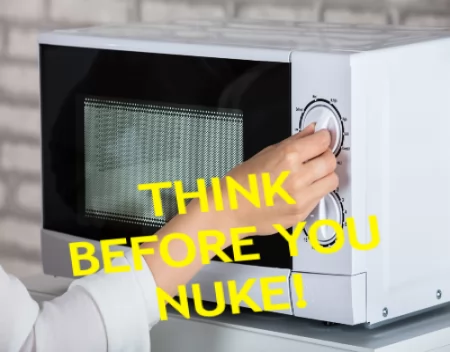
Microwaves are pretty useful appliances. Between nuking pizzas and heating mugs of coffee, you use these appliances way more often than you think. However, there are some foods you should never, under any circumstances, put in the microwave. From toxins to burns, there are many reasons why you should think twice before nuking any of these foods.
Raw Eggs in Shells
Not a method I would recommend to hard boil an egg. Why it may seem like a genius shortcut, it’s kind of dangerous. The high temperatures generated within the microwave creates steam inside the egg. As the pressure increases, the egg will eventually, for lack of a better term, explode.
Chili Peppers
The capsaicin within the peppers is what determines how spicy they are. This compound vaporizes when it’s exposed to the temperatures inside the microwave. While this won’t cause the peppers to explode, inhaling the fumes generated from this process should be avoided at all costs.
Mugs of Water
It may seem more convenient to microwave a mug of water rather than heating it in a kettle. However, the water can potentially superheat without boiling. When a tea bag is added or liquid is stirred in the mug, it boils all at once, which could cause it to spill or explode. Of course, this can cause serious burns.
Leafy Greens
Any vegetable with an excessive amount of leaves is dangerous for microwaves. Kale and other leafy vegetables have the potential to spark when microwaved, destroying your appliance and meal. If there’s a difference in electrical properties and air for the spark to catch, the vegetables can spark.
Uncooked Rice
It may seem unorthodox to put rice in a microwave. Rice can house spores that can possess dangerous bacteria. Microwaving it will not kill these spores, leaving the consumer vulnerable to food poisoning. Why would you nuke uncooked rice anyway?
Frozen Meat
When people forget to thaw out frozen meat before dinner, they often decide that microwaving it would be a good substitute. There are risks to doing this, as the heat could not distribute evenly. This could make you end up with hot spots and still-frozen spots, causing the growth of dangerous bacteria.
When is comes to microwaves; you should probably stick to food. It’s especially important not to put anything metallic in the microwave, as it would cause sparks that could start a fire.
Also, never try to put any small pets inside your microwave, it will kill them. I know it sounds stupid for me to mention this, but it has been done.
Microwaves are pretty useful appliances. Between nuking pizzas and heating mugs of coffee, you use these appliances way more often than you think. However, there are some foods you should never, under any circumstances, put in the microwave. From toxins to burns, there are many reasons why you should think twice before nuking any of these foods.
Raw Eggs in Shells
Not a method I would recommend to hard boil an egg. Why it may seem like a genius shortcut, it’s kind of dangerous. The high temperatures generated within the microwave creates steam inside the egg. As the pressure increases, the egg will eventually, for lack of a better term, explode.
Chili Peppers
The capsaicin within the peppers is what determines how spicy they are. This compound vaporizes when it’s exposed to the temperatures inside the microwave. While this won’t cause the peppers to explode, inhaling the fumes generated from this process should be avoided at all costs.
Mugs of Water
It may seem more convenient to microwave a mug of water rather than heating it in a kettle. However, the water can potentially superheat without boiling. When a tea bag is added or liquid is stirred in the mug, it boils all at once, which could cause it to spill or explode. Of course, this can cause serious burns.
Leafy Greens
Any vegetable with an excessive amount of leaves is dangerous for microwaves. Kale and other leafy vegetables have the potential to spark when microwaved, destroying your appliance and meal. If there’s a difference in electrical properties and air for the spark to catch, the vegetables can spark.
Uncooked Rice
It may seem unorthodox to put rice in a microwave. Rice can house spores that can possess dangerous bacteria. Microwaving it will not kill these spores, leaving the consumer vulnerable to food poisoning. Why would you nuke uncooked rice anyway?
Frozen Meat
When people forget to thaw out frozen meat before dinner, they often decide that microwaving it would be a good substitute. There are risks to doing this, as the heat could not distribute evenly. This could make you end up with hot spots and still-frozen spots, causing the growth of dangerous bacteria.
When is comes to microwaves; you should probably stick to food. It’s especially important not to put anything metallic in the microwave, as it would cause sparks that could start a fire.
Also, never try to put any small pets inside your microwave, it will kill them. I know it sounds stupid for me to mention this, but it has been done.
Hoover makes cleaning easy with new AntiTwist vacuum cleaners

Using just one dishwasher pod leaves sediment
what is everyones hard on for Bosch I have one and it's horrible

How often should I service my air conditioner
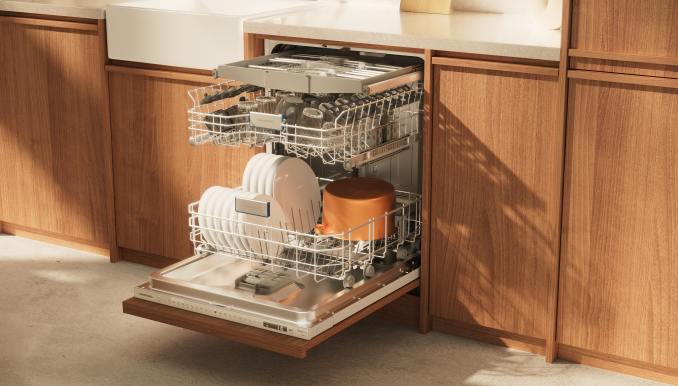
The fully integrated dishwashers by Bertazzoni
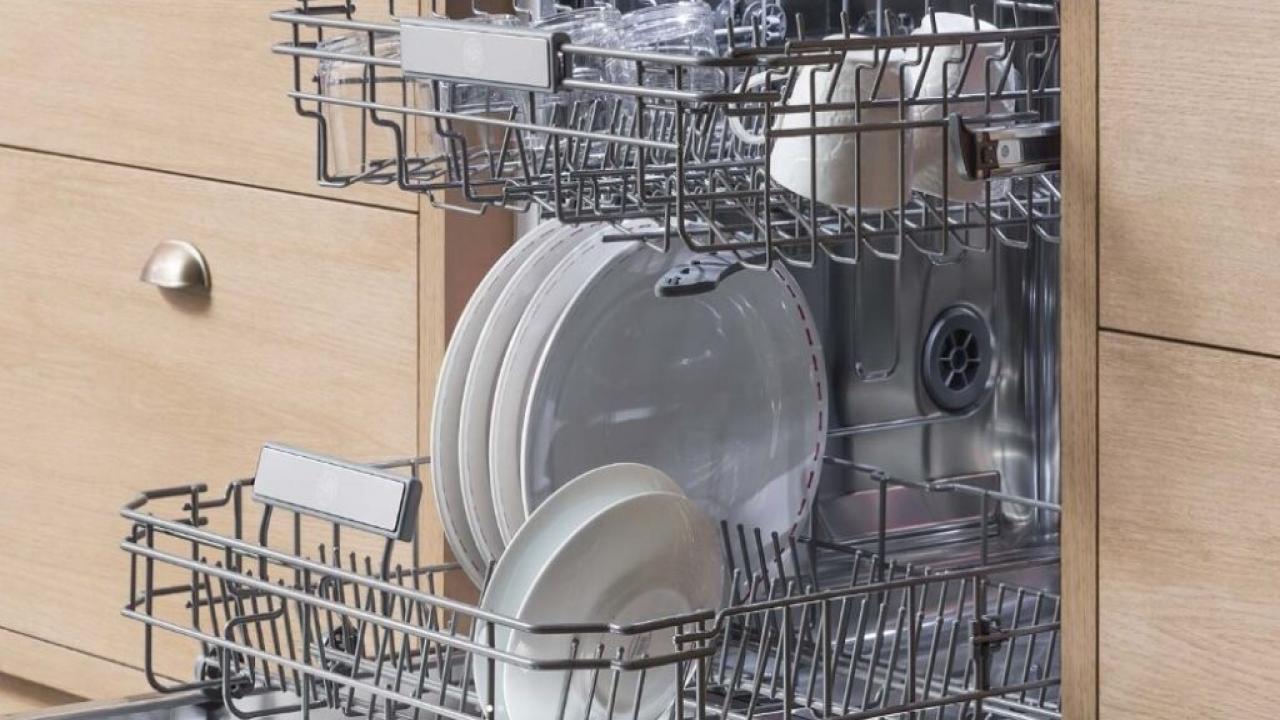
Grundig dishwasher in A -10 percent class
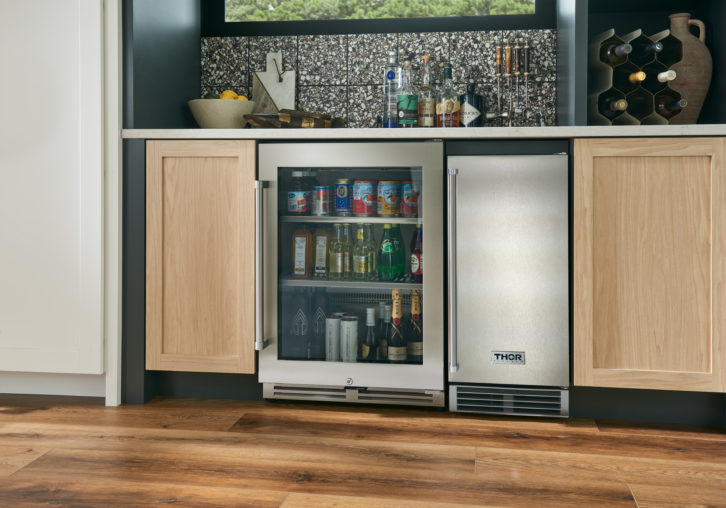
THOR Kitchen Introduces 11 New Products
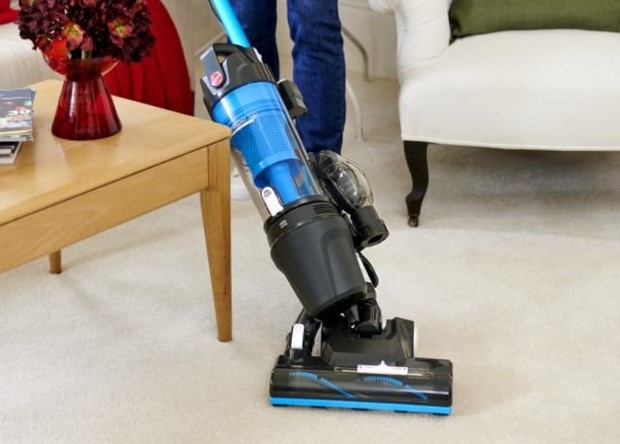
Upright 300 the lightest Hoover vacuum cleaner
80% Of Americans Wish Lawn Care Was Quieter, According To New Survey By Husqvarna